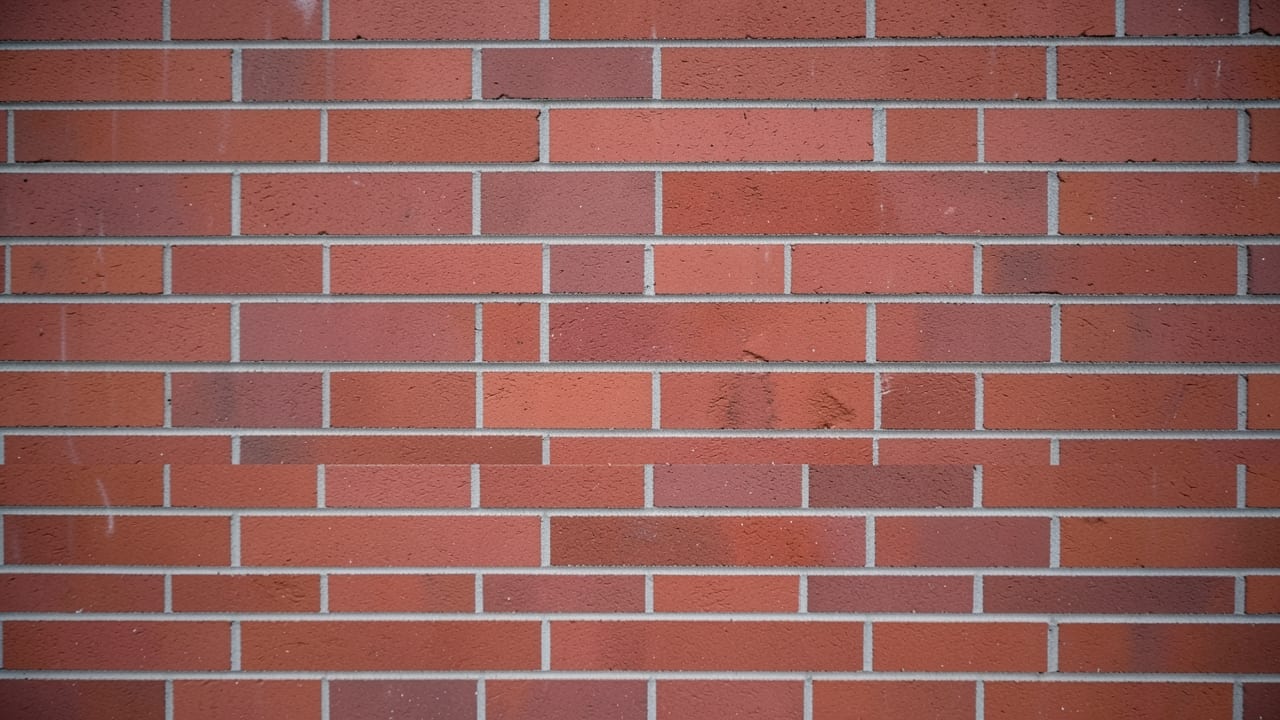
Brick Masonry Mold Treatment
Professional mold treatment and removal from brick masonry to restore structural integrity and indoor air quality.
Brick masonry mold treatment in North Stonington, CT addresses mold growth on brick surfaces, which can degrade appearance and structural integrity. Moisture exposure, poor ventilation, or hidden leaks often cause mold to spread on bricks, requiring professional remediation to prevent further damage and health risks.
Proper treatment includes containment, removal, drying, and clearance testing to ensure long-term results.
We also handle Fire Smoke Mold Remediation and Pet Urine Mold Treatment for North Stonington properties.
When to address brick mold
Mold on brickwork often starts as small patches but can spread quickly if moisture issues persist. Visible signs include discoloration, a musty odor, or mold returning after cleaning.
Growth covering more than a small area or recurring in the same spot signals a need for professional intervention rather than DIY attempts.
Hidden mold—behind bricks, in mortar joints, or inside walls—can worsen without proper inspection. Stagnant air in enclosed spaces like basements or windowless rooms also encourages mold growth. If mold appears after heavy rain or flooding, addressing the moisture source is critical to prevent regrowth.
Signs Professional Mold Treatment Is Needed
- Mold covers more than a small, isolated patch (typically over 25 sq. ft. of contiguous growth).
- Mold returns within weeks after cleaning, indicating an unresolved moisture source.
- A musty smell persists with no visible mold, suggesting hidden growth behind surfaces.
- Brickwork feels damp or shows signs of water damage, like efflorescence or crumbling mortar.
What affects pricing and scope
The cost of brick masonry mold treatment depends on the size of the affected area, the severity of contamination, and whether hidden moisture sources need repair. Surface-level mold on bricks may require less work than deep-seated growth in mortar or behind brick veneers.
Additional factors include containment setup, clearance testing, and structural drying. Remediation without fixing leaks or ventilation issues often leads to recurring mold, increasing long-term costs.
What to expect during remediation
Professional mold treatment follows strict protocols to contain spores and prevent spread. Plastic sheeting and negative-air machines seal the work area, while HEPA-filtered equipment captures airborne spores during removal. Porous materials like insulation or drywall are discarded, while non-porous surfaces are cleaned and treated.
Structural drying with industrial dehumidifiers ensures moisture levels return to normal before the area is restored. Clearance testing by an independent lab confirms spore counts are safe before containment is removed.
Removing mold without addressing leaks, condensation, or poor grading often leads to regrowth. A professional inspection identifies hidden moisture issues before treatment begins.
How brick masonry mold treatment works
- 1Containment Setup
Plastic sheeting and negative-air machines isolate the work area to prevent spores from spreading to unaffected spaces during removal.
- 2Mold Removal
Porous materials like drywall or insulation are cut out and bagged, while non-porous surfaces (bricks, mortar) are scrubbed and treated with antimicrobial solutions.
- 3Structural Drying
Industrial dehumidifiers and air movers reduce moisture levels in framing and subfloors to prevent mold recurrence after visible growth is removed.
- 4HEPA Filtration
HEPA-filtered air scrubbers and vacuums capture spores during the process, unlike standard equipment that recirculates them into the air.
- 5Clearance Testing
An independent lab tests air or surfaces post-remediation to verify spore counts are within normal ranges before the area is considered safe.
Frequently asked questions
Can I clean small mold patches on bricks myself?
Small, isolated patches (under 25 sq. ft.) can sometimes be cleaned with a scrub brush, detergent, and water, but only if the underlying moisture issue is fixed. Larger or recurring growth requires professional treatment to contain spores and address hidden problems.
How long does brick mold remediation take?
The timeline varies by scope—surface-level mold may take 1–3 days, while deep-seated growth or structural drying can extend the process to a week or longer. Containment, drying, and testing add time to ensure thorough results.
Will my insurance cover mold remediation on bricks?
Coverage depends on the policy and cause of the mold. Insurance may apply if the damage results from a covered event (e.g., burst pipe), but routine moisture issues or poor ventilation are typically excluded. Review your policy or consult your agent for specifics.
Do I need to leave the house during treatment?
Yes. Containment measures require sealing off the work area, and exposure to spores—even during professional remediation—should be avoided. The crew will provide guidance on safe spaces to relocate to during the process.
See Poquonock Bridge, CT for more, or discover our complete North Stonington service list at a glance for our complete lineup.
Ready to get started?
Talk to a local mold remediation pro in North Stonington — get a written quote.
Other Mold Remediation Services in North Stonington
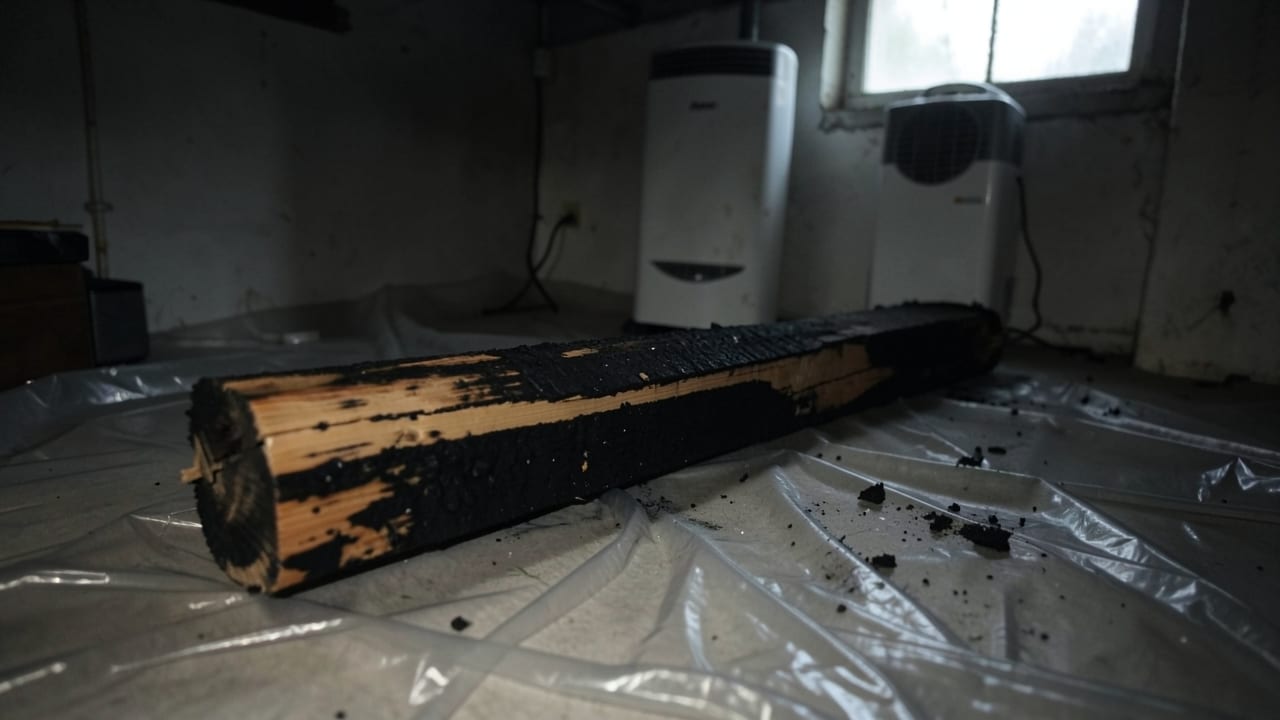
Fire Smoke Mold Remediation in North Stonington, CT
Professional cleanup and restoration of fire, smoke, and mold damage in homes.
Learn More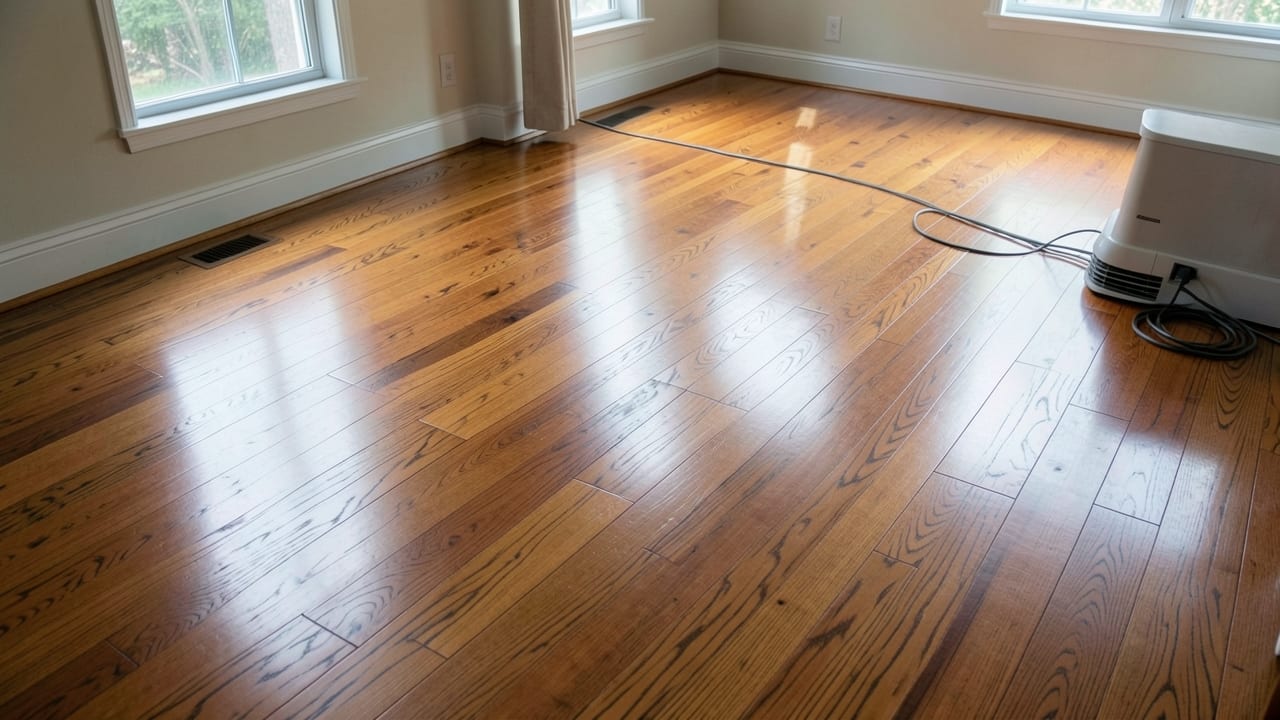
Pet Urine Mold Treatment in North Stonington, CT
Professional removal of mold caused by pet urine in homes, including assessment and treatment.
Learn More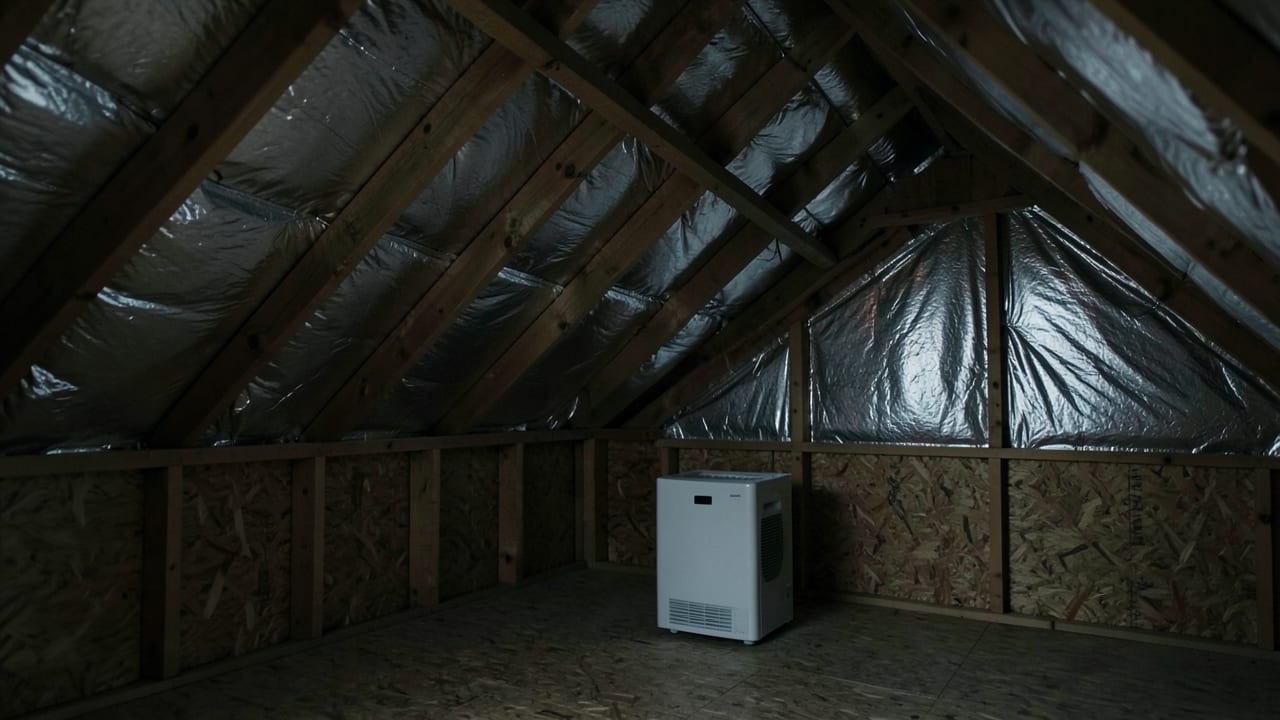
Pre-Winter Mold Prevention in North Stonington, CT
Pre-winter mold prevention involves inspection and treatment to stop mold growth before cold weather.
Learn More
Spring Mold Inspection in North Stonington, CT
Professional assessment and identification of mold growth in homes.
Learn More
Move-In Mold Assessment in North Stonington, CT
Professional inspection and assessment of mold presence before moving into a property.
Learn More
Pre-Sale Mold Clearance in North Stonington, CT
Pre-sale mold clearance involves inspection and testing to confirm a property is mold-free before purchase.
Learn MoreCommon Questions About Mold Remediation in North Stonington
Everything you need to know about mold remediation services in North Stonington
How much does Brick Masonry Mold Treatment typically cost in North Stonington, CT?
Why does North Stonington, CT's humidity make mold a bigger risk than in drier regions?
Is a final clearance test part of a typical mold remediation job?
How does mold remediation actually prevent the problem from coming back?
Can mold growing inside HVAC ductwork spread to the rest of a home?
Does mold mean the same thing as mildew?
Need Mold Remediation in North Stonington?
Connect with local providers in North Stonington for a detailed quote.
⏰ We answer your call • Serving all of North Stonington and surrounding areas