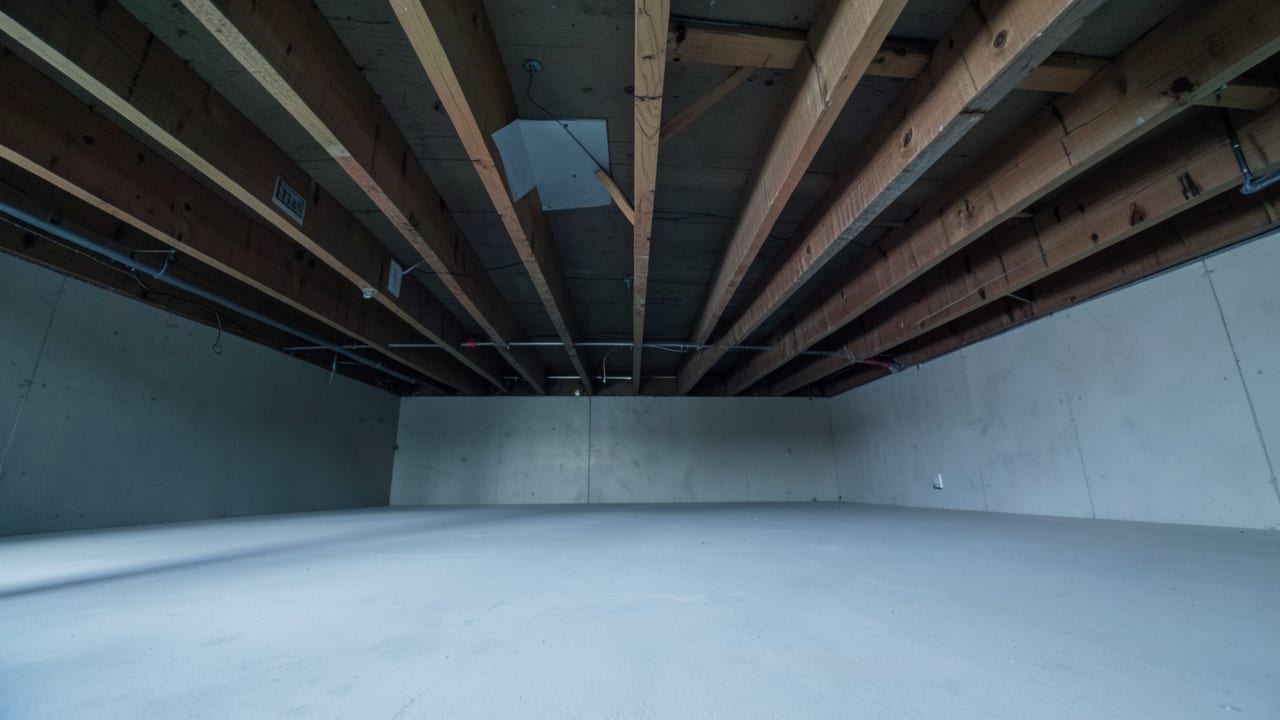
Sewer Backup Mold Cleanup
Professional cleanup of mold caused by sewer backups in homes.
When sewer backups or wastewater leaks introduce mold into your North Stonington home, proper cleanup is essential to prevent health risks and further damage. Sewer backup mold cleanup focuses on removing contaminated materials, sealing affected areas, and restoring moisture balance to prevent regrowth in basements, walls, and flooring.
When to call for sewer backup mold cleanup
Sewer backup mold cleanup is needed when mold growth exceeds a small, isolated patch—typically over 25 square feet—or when it persists after cleaning. Musty odors with no visible mold, recurring growth in the same spot, or hidden dampness behind walls or under flooring are also clear signs.
We also handle Mold & Asbestos Testing and HVAC Mold Remediation for North Stonington properties.
These conditions suggest moisture sources remain unfixed, increasing the risk of regrowth.
Poor airflow in rooms like windowless bathrooms or basements can also trap moisture, fostering mold even after remediation. If your home has experienced a sewer backup or persistent dampness, addressing the root cause—such as leaks, grading issues, or HVAC problems—is critical to preventing future contamination.
Signs You Need Professional Sewer Backup Mold Cleanup
- Mold covers more than a small, isolated patch (over 25 square feet).
- Growth returns in the same spot after cleaning, indicating an unresolved moisture source.
- A musty smell persists with no visible mold, suggesting hidden contamination.
- The odor worsens when the HVAC system runs, possibly indicating mold in ductwork.
- Dampness persists in areas with poor airflow, like basements or windowless rooms.
What affects pricing and scope
Pricing for sewer backup mold cleanup in North Stonington typically ranges from $11 to $27 per square foot of treated area, depending on the extent of contamination and materials affected.
Black mold remediation often costs 15–25% more for the same area. The total cost also depends on whether containment, structural drying, and clearance testing are included in the estimate.
Hidden mold discovered during demolition can increase costs, as can additional work needed to fix moisture sources. Always verify whether the quote includes inspection, remediation, and clearance testing—or if these are priced separately. A written scope of work helps avoid unexpected charges later.
Why containment and testing matter
Containment prevents mold spores from spreading to unaffected areas during cleanup. Plastic sheeting and negative-air machines seal the work zone, while HEPA-filtered air scrubbers and vacuums capture spores instead of recirculating them.
Skipping these steps risks contaminating other parts of your home, turning a contained job into a much larger one.
Clearance testing by an independent lab confirms spore levels return to normal before the area is released. Without testing, there’s no way to verify whether the remediation fully resolved the contamination. Structural drying with industrial dehumidifiers ensures framing and subflooring stay dry, reducing the risk of regrowth.
Using standard shop vacuums or non-HEPA air scrubbers recirculates spores, worsening contamination. Removing mold without fixing the moisture source—like a leak or poor grading—leads to rapid regrowth. Always verify containment and clearance testing are included in the service.
How sewer backup mold cleanup works
- 1Containment Setup
Plastic sheeting and negative-air machines seal the affected area to prevent spores from spreading during removal. This step ensures cleanup stays confined to the contaminated zone.
- 2Material Removal
Porous materials like drywall, insulation, and carpet padding—absorbed with mold—are cut out and bagged. Non-porous surfaces like tile or framing are scrubbed and treated instead of discarded.
- 3HEPA Filtration and Cleanup
HEPA-filtered air scrubbers and vacuums run continuously to capture airborne spores. This prevents spores from settling in other parts of your home during the process.
- 4Structural Drying
Industrial dehumidifiers and air movers dry framing and subflooring to normal moisture levels, reducing the risk of mold returning after visible traces are removed.
- 5Clearance Testing
An independent lab tests air or surfaces to confirm spore levels return to normal before containment is removed. This step verifies the cleanup was effective.
Frequently asked questions
How do I know if my mold problem is from a sewer backup?
Sewer backup mold often appears in basements, along walls, or near plumbing connections. Musty odors that worsen with HVAC use or recurring growth in the same spot—especially after cleaning—suggest a moisture source like a sewer leak or poor drainage.
Can I clean mold from sewer backups myself?
Small, isolated patches (under 25 square feet) may be cleaned with proper safety gear, but sewer backup mold often hides in walls or ductwork. Professional cleanup ensures containment, proper removal, and moisture source fixes to prevent regrowth.
Will my insurance cover sewer backup mold cleanup?
Many homeowners’ policies exclude mold damage, but sewer backups may be covered under separate water damage or sudden/accidental discharge endorsements. Review your policy or contact your insurer to confirm coverage details.
How long does sewer backup mold cleanup take?
The timeline depends on contamination size and materials affected. Containment, removal, drying, and testing can take 2–5 days for a typical North Stonington home. Complex cases with hidden mold may require additional time.
See Groton Long Point, CT for more, or take a look at what's included in our North Stonington service in full for our complete lineup.
Ready to get started?
Talk to a local mold remediation pro in North Stonington — get a written quote.
Other Mold Remediation Services in North Stonington
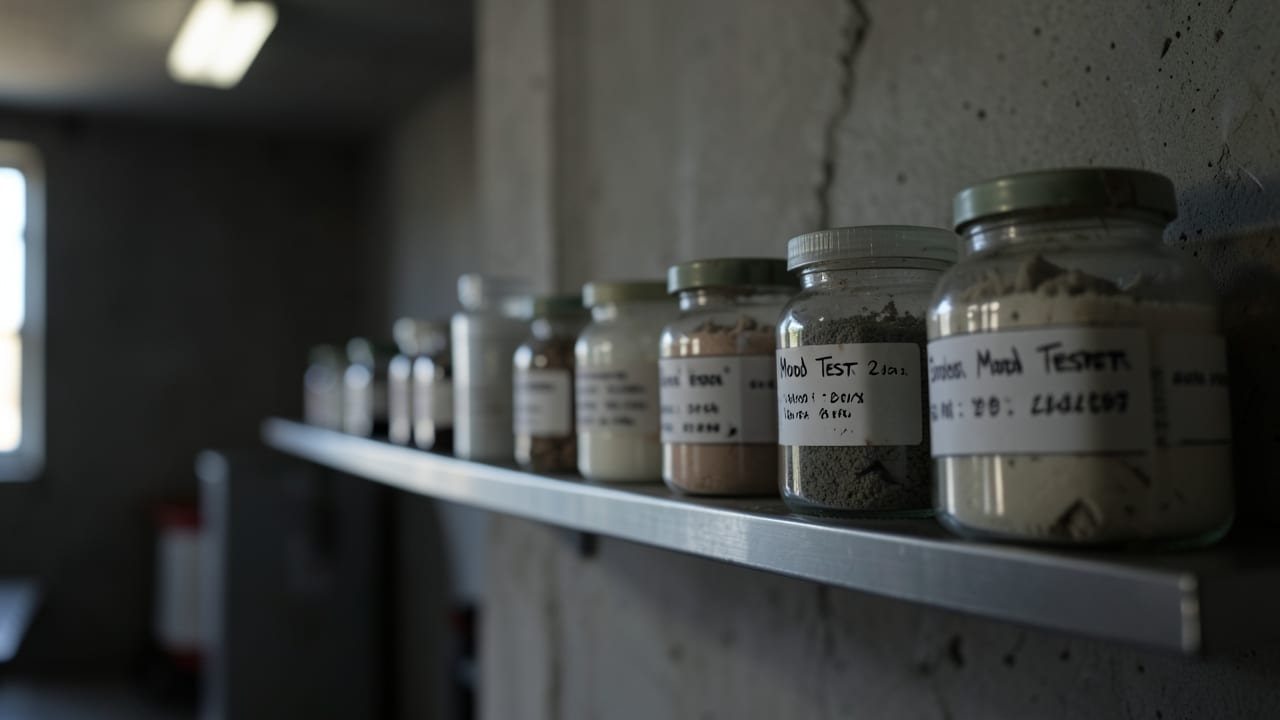
Mold & Asbestos Testing in North Stonington, CT
Combined mold and asbestos testing in North Stonington, CT — one inspection visit, lab-verified results for both.
Learn More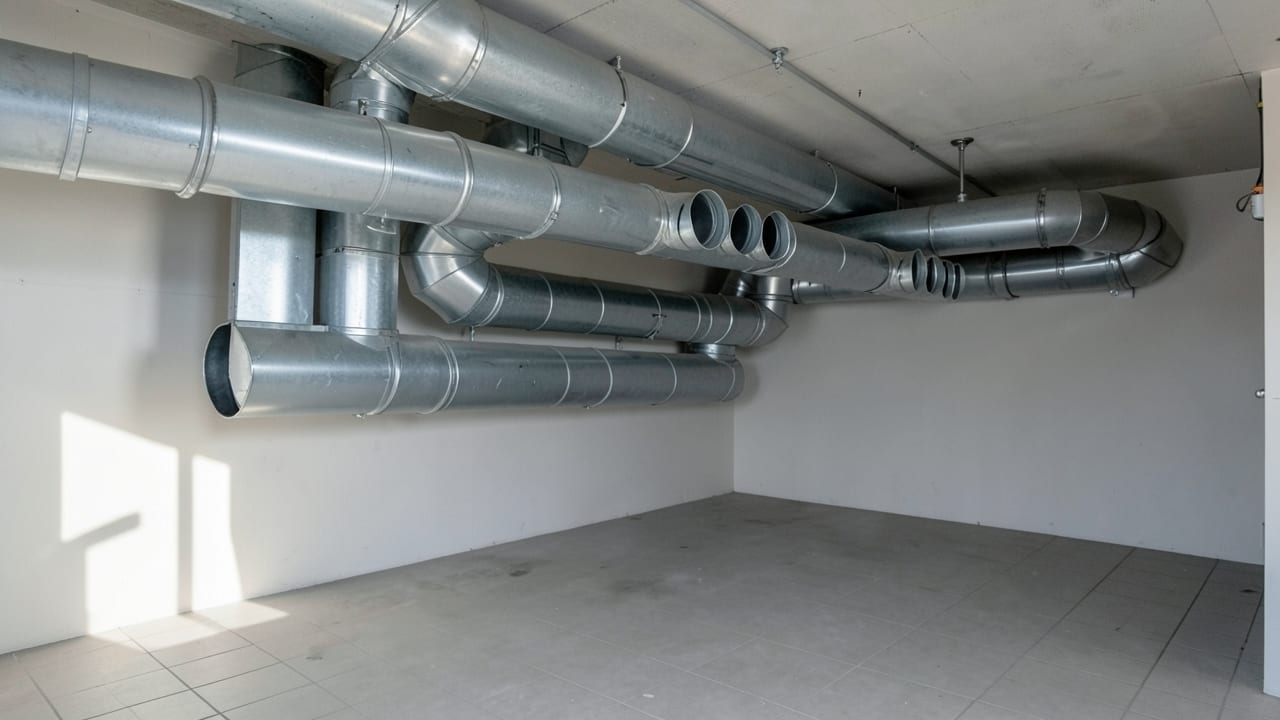
HVAC Mold Remediation in North Stonington, CT
HVAC and ductwork mold remediation in North Stonington, CT — mold growing inside the air handler or duct system, spreading through every vent.
Learn More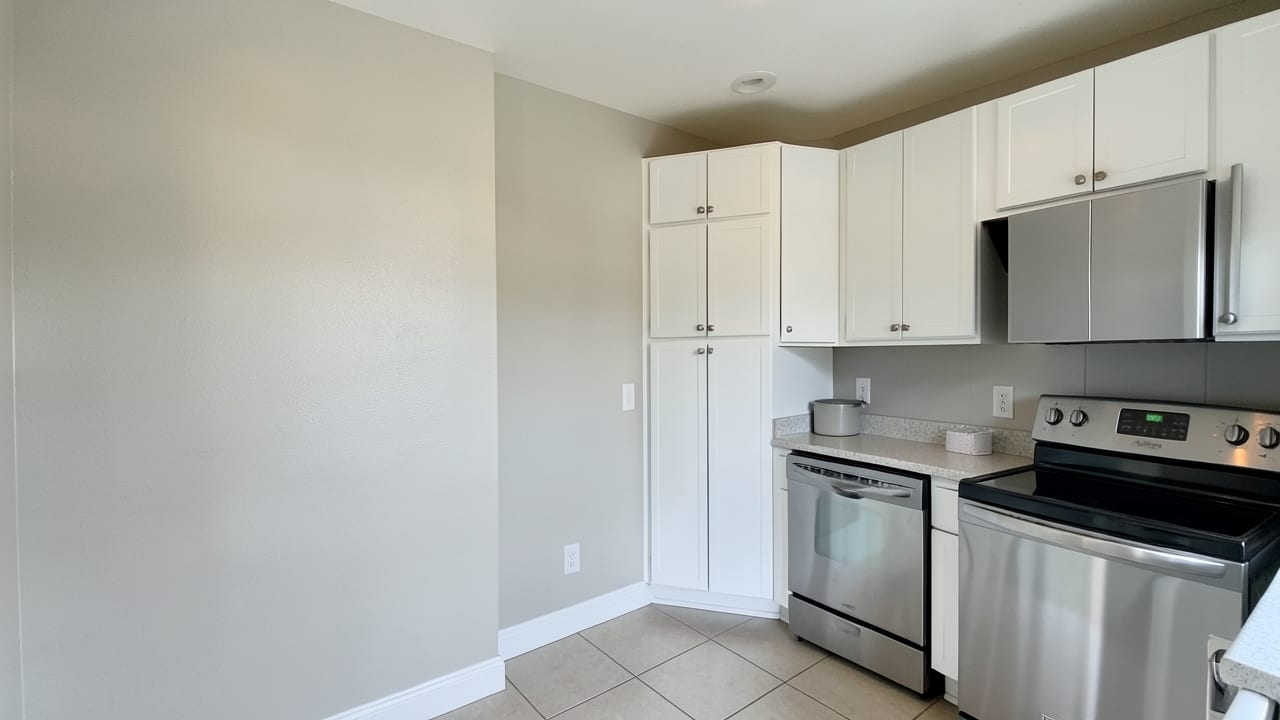
Kitchen Mold Cleanup in North Stonington, CT
Professional assessment and removal of mold in kitchen areas to restore a safe, clean environment.
Learn More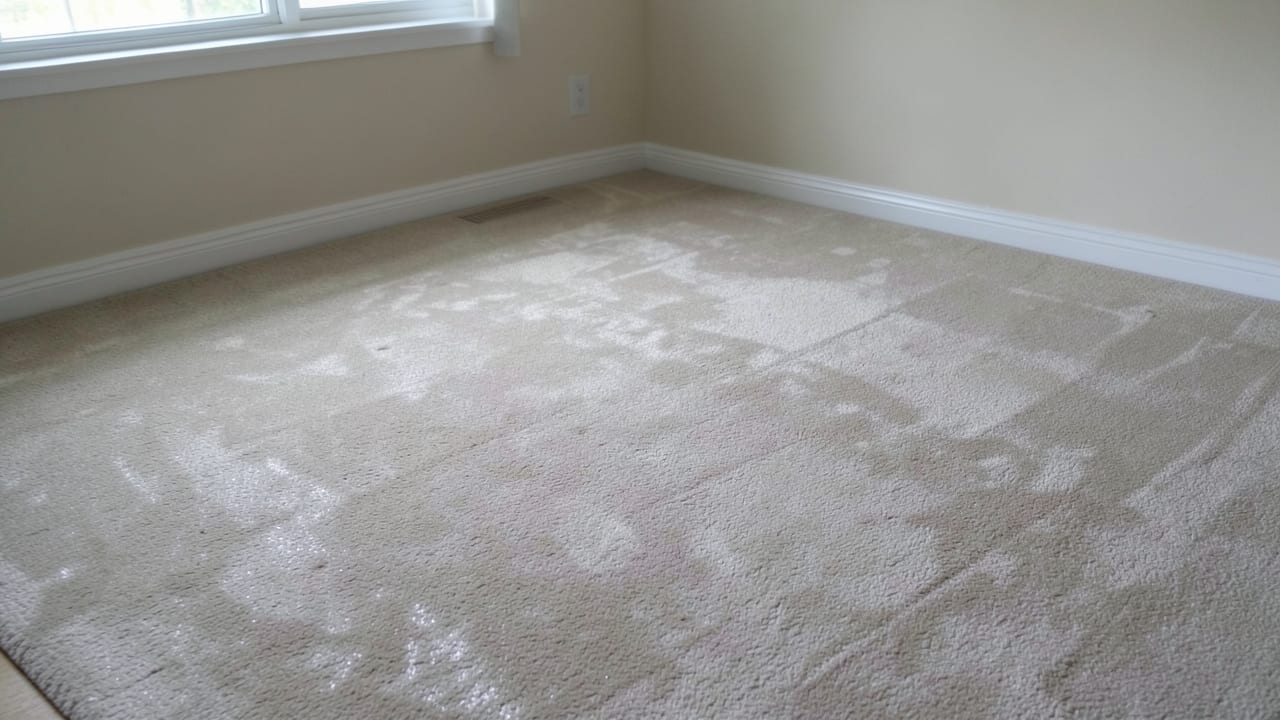
Carpet Mold Treatment in North Stonington, CT
Professional assessment and removal of mold growth from carpets to restore a safe indoor environment.
Learn More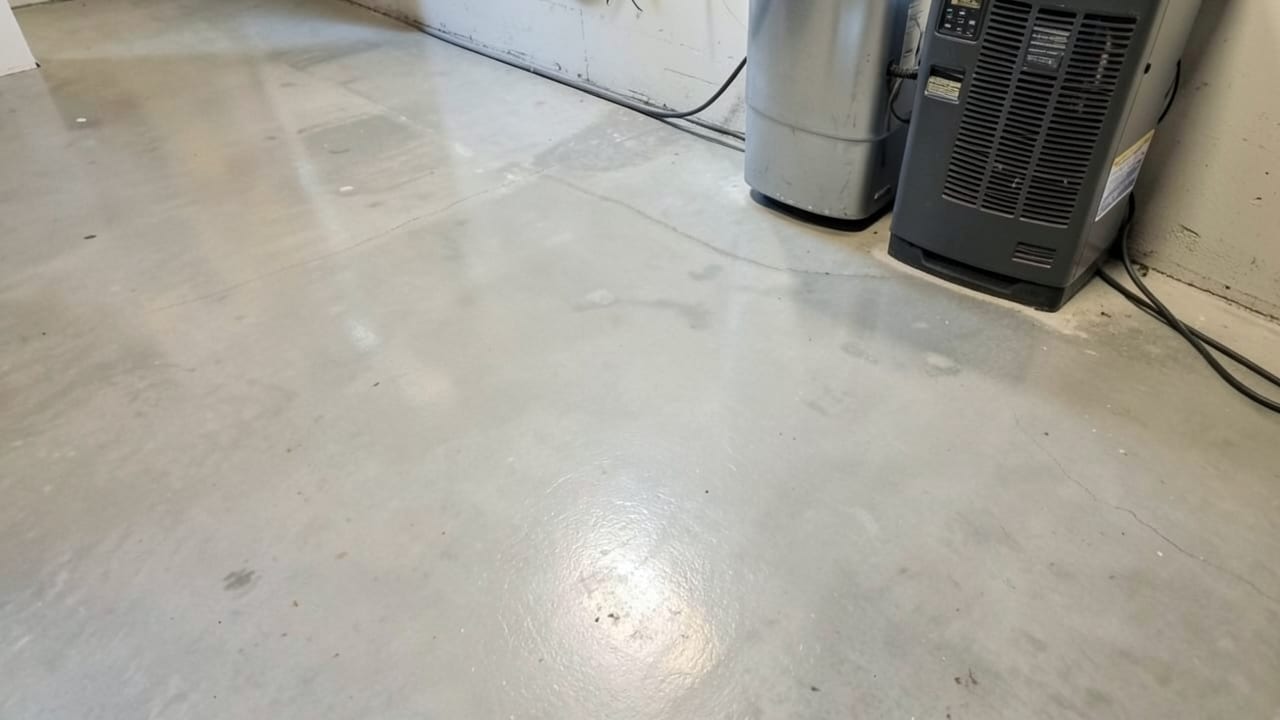
Concrete Mold Remediation in North Stonington, CT
Professional removal and treatment of mold from concrete surfaces in homes.
Learn More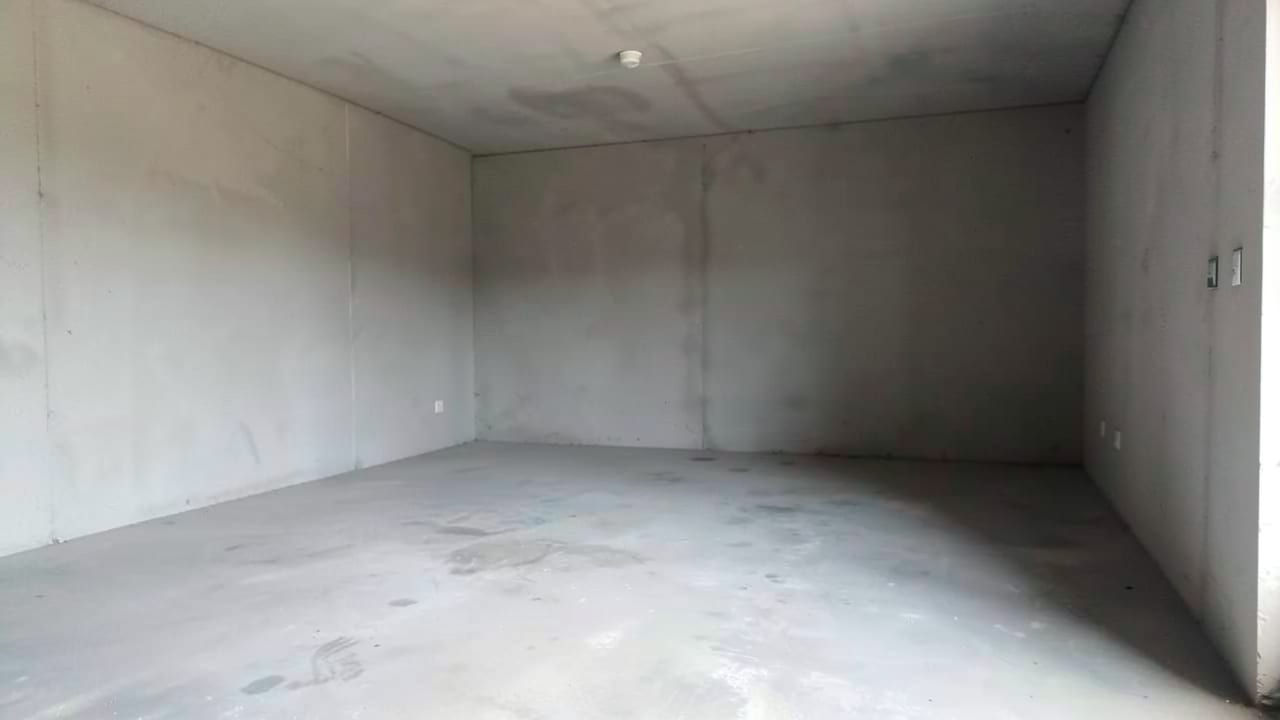
Garage Mold Removal in North Stonington, CT
Professional assessment and removal of mold growth in garages to restore a safe, clean space.
Learn MoreCommon Questions About Mold Remediation in North Stonington
Everything you need to know about mold remediation services in North Stonington
How much does Sewer Backup Mold Cleanup typically cost in North Stonington, CT?
Why does North Stonington, CT's humidity make mold a bigger risk than in drier regions?
Can small mold problems be handled without hiring anyone?
What's the actual difference between mold removal and mold remediation?
Is a final clearance test part of a typical mold remediation job?
How does mold remediation actually prevent the problem from coming back?
Need Mold Remediation in North Stonington?
Connect with local providers in North Stonington for a detailed quote.
⏰ We answer your call • Serving all of North Stonington and surrounding areas