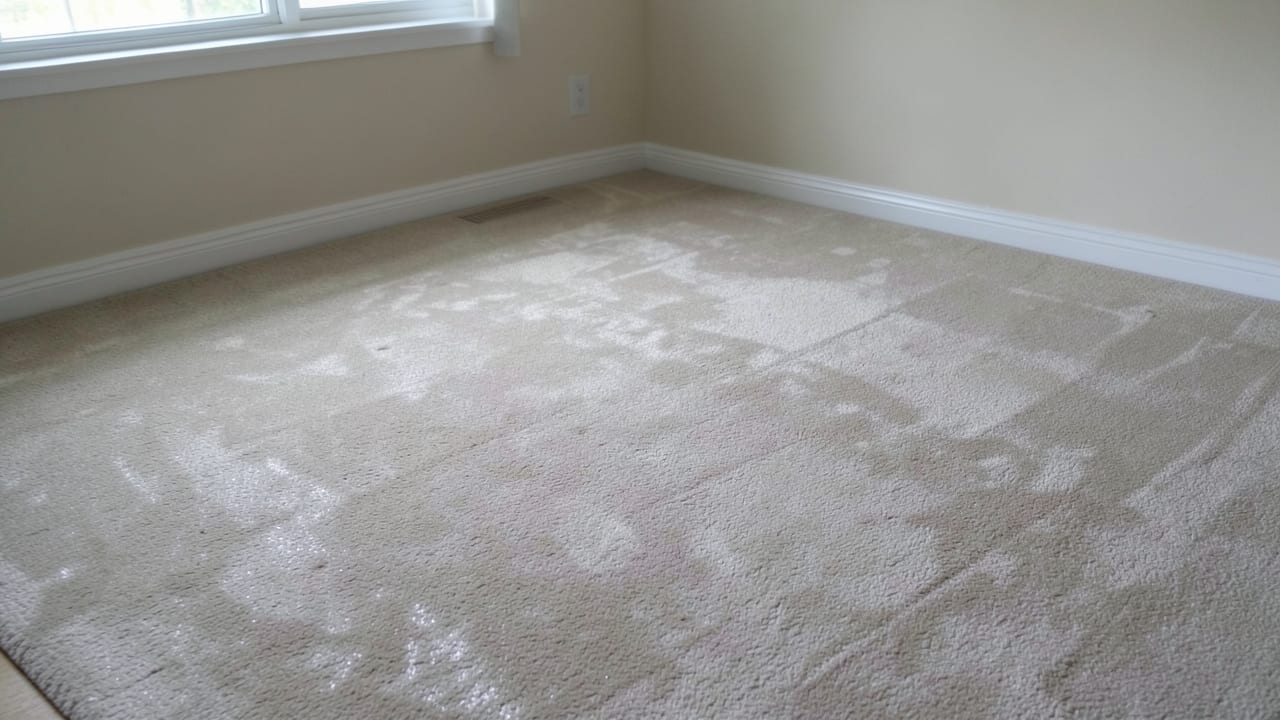
Carpet Mold Treatment
Professional assessment and removal of mold growth from carpets to restore a safe indoor environment.
Mold growth in carpets and padding is a common issue in North Stonington homes, often caused by moisture from leaks, poor ventilation, or high humidity. Professional carpet mold treatment involves containment, removal, and thorough drying to prevent regrowth and protect indoor air quality.
Understanding the process and signs of mold helps homeowners take the right steps to address the problem safely and effectively.
We also handle Restaurant Mold Remediation and Hotel Mold Remediation for North Stonington properties.
When carpet mold treatment is needed
Carpet mold often starts small but can spread quickly if ignored. Visible signs include dark spots, musty odors, or mold returning after cleaning. If mold covers more than a small patch or keeps reappearing, professional treatment is usually necessary to prevent further damage and health risks.
Hidden mold in carpets can also indicate larger issues, such as water damage behind walls or poor airflow. A persistent musty smell, especially when the HVAC system runs, may signal mold growth in ducts or under flooring, requiring professional inspection and remediation.
Signs You May Need Carpet Mold Treatment
- Mold covering more than a small, isolated patch (typically over 25 sq. ft. of contiguous growth).
- Musty odors that persist even after cleaning or airing out the room.
- Visible mold returning within weeks after being cleaned.
- A damp or humid area in the room, such as near a window or under a carpet edge.
What affects carpet mold treatment costs
The cost of carpet mold treatment depends on the size of the affected area, the severity of the mold, and whether hidden moisture sources need to be addressed. Removing mold from carpets often involves replacing padding and sometimes the carpet itself, which can increase costs.
Additional factors include containment setup, HEPA filtration equipment, and post-remediation testing. These steps ensure the mold is fully removed and doesn’t spread to other areas of the home.
Why containment and testing matter
Containment prevents mold spores from spreading to other parts of the home during treatment. Plastic sheeting and negative-air machines seal off the work area, while HEPA filtration captures spores that would otherwise circulate in the air.
Post-remediation testing confirms that mold levels are back to normal. Without this step, there’s no way to know if the treatment fully resolved the issue, which could lead to regrowth.
Even small tears in plastic sheeting or open doors during treatment can release spores into unaffected areas. Proper containment is critical to preventing a contained job from becoming a larger, more costly problem.
How carpet mold treatment works
Professional carpet mold treatment follows a structured process to safely remove mold and prevent regrowth.
- 1Inspection and Containment
A thorough inspection identifies the extent of mold growth. The work area is sealed with plastic sheeting and negative-air machines to prevent spores from spreading.
- 2Removal of Affected Materials
Porous materials like carpet padding and drywall are cut out and disposed of, as mold grows deep into these materials. Non-porous surfaces are scrubbed and treated.
- 3HEPA Filtration and Drying
HEPA air scrubbers and vacuums capture airborne spores during removal. Industrial dehumidifiers and air movers dry the affected area to prevent future mold growth.
- 4Clearance Testing
An independent lab tests air and surfaces post-remediation to confirm mold levels are back to normal before containment is removed.
Frequently asked questions
Can I clean carpet mold myself, or should I hire a professional?
Small, isolated patches of mold can sometimes be cleaned with vinegar or a commercial mold cleaner, but professional treatment is recommended for larger areas or if mold keeps returning. Professionals use containment and HEPA filtration to prevent spread, which is critical for safety.
How long does carpet mold treatment take?
The process typically takes 1–3 days, depending on the size of the affected area and whether hidden moisture sources need to be addressed. Containment, removal, and drying all contribute to the timeline.
Will my insurance cover carpet mold treatment?
Some insurance policies cover mold damage if it’s caused by a covered event, like a burst pipe. Check your policy details and contact your provider to confirm coverage before starting treatment.
How can I prevent mold from coming back after treatment?
Fixing the moisture source—such as leaks, poor ventilation, or high humidity—is the best way to prevent regrowth. Using dehumidifiers or fans in damp areas and maintaining proper airflow also helps.
See Pawcatuck, CT for more, or discover the mold remediation work we do around North Stonington before booking for our complete lineup.
Ready to get started?
Talk to a local mold remediation pro in North Stonington — get a written quote.
Other Mold Remediation Services in North Stonington
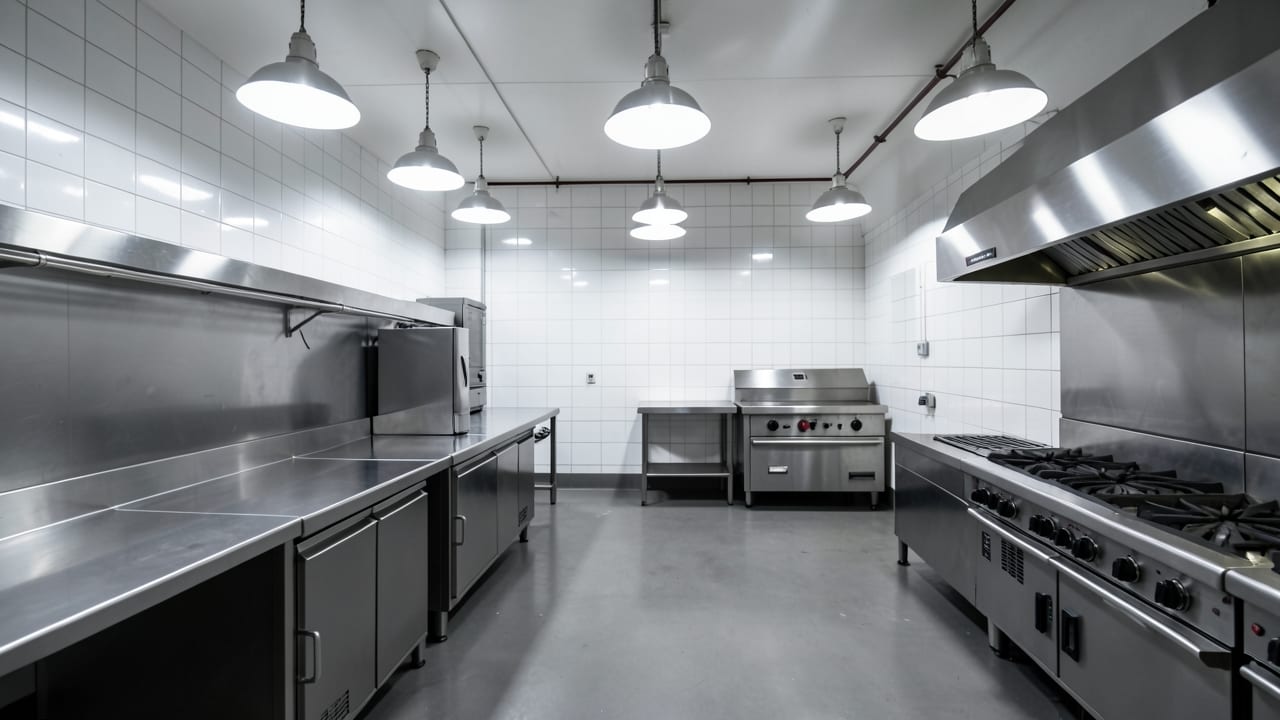
Restaurant Mold Remediation in North Stonington, CT
Professional mold removal and remediation for restaurant spaces to ensure safety and compliance.
Learn More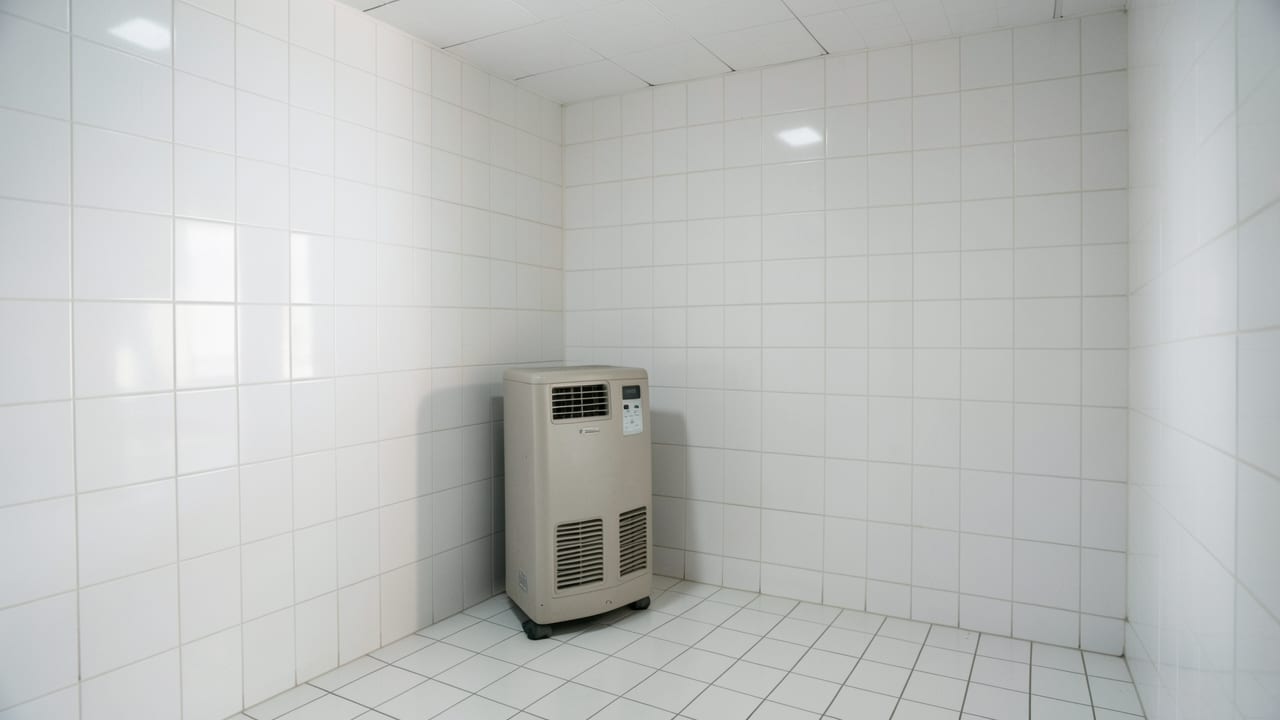
Hotel Mold Remediation in North Stonington, CT
Professional removal and treatment of mold growth in hotel properties to restore safe, clean environments.
Learn More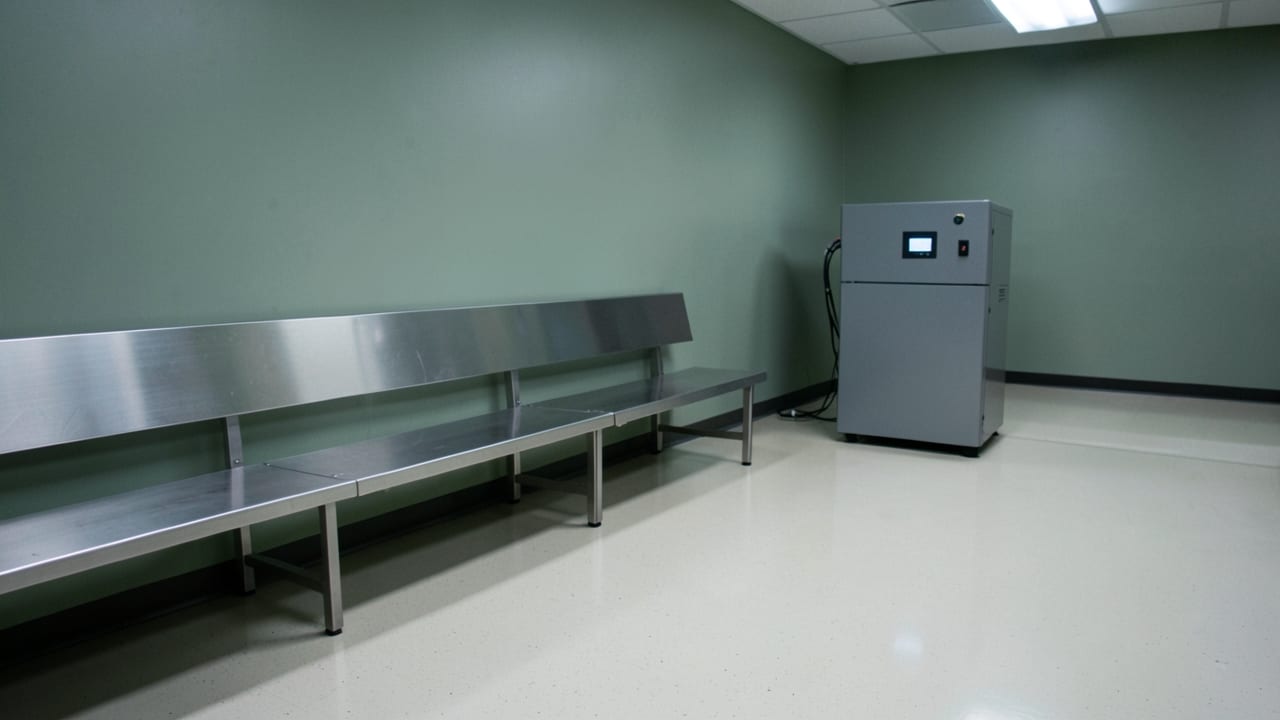
Gym Mold Remediation in North Stonington, CT
Professional removal and treatment of mold in gyms to restore safe, clean environments.
Learn More
Fire Smoke Mold Remediation in North Stonington, CT
Professional cleanup and restoration of fire, smoke, and mold damage in homes.
Learn More
Pet Urine Mold Treatment in North Stonington, CT
Professional removal of mold caused by pet urine in homes, including assessment and treatment.
Learn More
Pre-Winter Mold Prevention in North Stonington, CT
Pre-winter mold prevention involves inspection and treatment to stop mold growth before cold weather.
Learn MoreCommon Questions About Mold Remediation in North Stonington
Everything you need to know about mold remediation services in North Stonington
How much does Carpet Mold Treatment typically cost in North Stonington, CT?
Why does North Stonington, CT's humidity make mold a bigger risk than in drier regions?
Is a final clearance test part of a typical mold remediation job?
How does mold remediation actually prevent the problem from coming back?
Can mold growing inside HVAC ductwork spread to the rest of a home?
Does mold mean the same thing as mildew?
Need Mold Remediation in North Stonington?
Connect with local providers in North Stonington for a detailed quote.
⏰ We answer your call • Serving all of North Stonington and surrounding areas