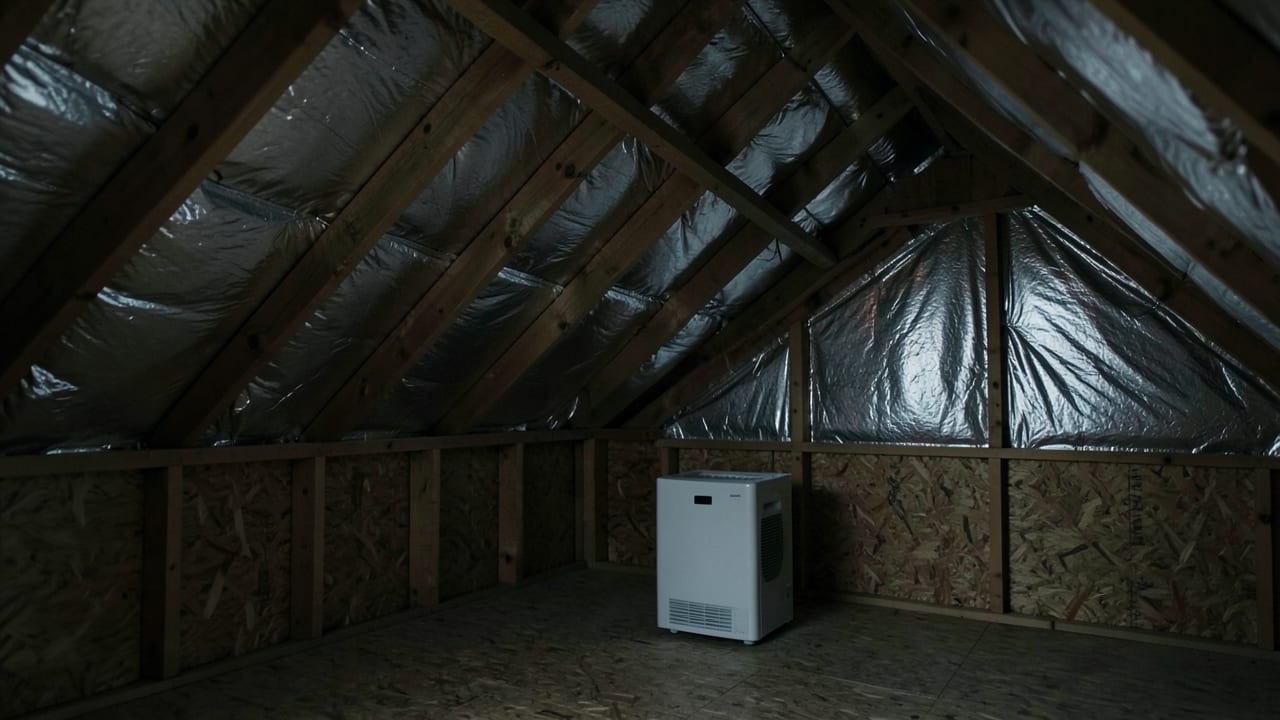
Pre-Winter Mold Prevention
Pre-winter mold prevention involves inspection and treatment to stop mold growth before cold weather.
As colder weather approaches, North Stonington homes face higher risks of mold growth in damp, poorly ventilated spaces like attics, basements, and crawl spaces. Pre-winter mold prevention focuses on sealing leaks, improving airflow, and treating vulnerable areas before moisture issues worsen.
This proactive approach helps protect your home’s structure and indoor air quality before winter sets in.
We also handle Hallway Mold Remediation and HOA Mold Remediation for North Stonington properties.
When to act: signs your home needs mold prevention
Moisture-related mold thrives when humidity lingers, and pre-winter is the ideal time to address hidden risks before temperatures drop. Look for recurring damp spots, musty odors that worsen with HVAC use, or mold reappearing after cleaning—these often signal deeper moisture issues.
In North Stonington’s humid climate, basements, windowless rooms, and areas near exterior walls are especially vulnerable.
Mold covering more than a small patch (around 25 square feet or larger) typically requires professional intervention, as DIY methods may miss hidden growth. If mold keeps returning in the same spot, the moisture source likely hasn’t been addressed.
A persistent musty smell with no visible mold often means hidden growth behind walls, under flooring, or inside ducts, spreading spores throughout your home.
Red Flags for Pre-Winter Mold Prevention
- Mold patches larger than 25 square feet (a common threshold for professional intervention).
- Musty smells that intensify when HVAC runs (possible ductwork contamination).
- Damp spots or condensation that won’t dry, even after cleaning.
- Mold returning within weeks after previous cleanup attempts.
- Visible growth in basements, attics, or windowless rooms—areas with poor airflow.
What affects cost and scope?
Pre-winter mold prevention costs in North Stonington vary based on the size of the affected area, the type of mold (e.g., black mold may require additional treatments), and whether hidden moisture sources need repair.
Containment, HEPA filtration, and clearance testing are standard steps that influence pricing. Unlike commercial properties, private homes often have unique layouts—such as finished basements or complex ductwork—that can extend the job’s duration.
Pricing typically ranges widely depending on the scope. For example, sealing leaks and improving ventilation in a crawl space may cost less than full remediation of a water-damaged basement. Always confirm whether a quote includes inspection, containment, remediation, and post-job clearance testing—some providers list these as add-ons.
Common mistakes to avoid
Skipping containment during remediation can turn a small job into a larger one by spreading spores to unaffected areas. Without plastic sheeting and negative air pressure, even a minor tear or open door releases mold particles into living spaces.
Similarly, using non-HEPA vacuums or air scrubbers recirculates spores instead of capturing them, undermining the entire process.
Fixing only the visible mold without addressing the moisture source—such as a leaky pipe, poor grading, or condensation—leads to regrowth within months. Pre-winter prevention is about both removing existing mold *and* preventing future issues by sealing leaks, improving ventilation, and correcting structural moisture problems.
A breach in containment—like an open door or torn plastic—can spread spores to every room in your home, turning a contained job into a full-house contamination issue. Always verify that the crew seals the work area completely before starting.
How pre-winter mold prevention works
This process combines containment, removal, and moisture control to address existing mold while preventing future growth.
- 1Containment Setup
Plastic sheeting and negative-air machines isolate the work area, preventing spores from escaping into living spaces during removal. This step is critical to avoid cross-contamination.
- 2Material Removal or Cleaning
Porous materials like drywall or insulation saturated with mold are cut out and bagged, while non-porous surfaces (e.g., framing, tile) are scrubbed and treated. HEPA-filtered equipment captures spores during this phase.
- 3Structural Drying
Industrial dehumidifiers and air movers dry framing and subfloors to normal moisture levels before the area is sealed. Damp materials left untreated will regrow mold even after visible traces are removed.
- 4Clearance Testing
An independent lab tests air or surfaces post-remediation to confirm spore counts are back to normal levels. This step ensures the job meets safety standards before containment is removed.
- 5Moisture Source Fixes
Leaks, poor ventilation, or grading issues are repaired to eliminate the conditions that allowed mold to grow in the first place. This reduces the risk of recurrence.
Frequently asked questions
How do I know if my mold issue is serious enough to need professional help?
If mold covers more than 25 square feet, keeps returning after cleaning, or you notice a musty smell with no visible growth, it’s likely time for professional intervention. Hidden mold—such as behind walls or in ducts—often requires specialized tools and containment to address safely.
Will sealing leaks and improving ventilation really prevent mold long-term?
Sealing leaks and improving airflow are key steps, but results depend on fixing the root moisture source. For example, a dehumidifier in a damp basement helps, but if condensation or a leak persists, mold may return. Post-remediation monitoring can catch early signs of recurrence.
Do I need clearance testing after mold remediation?
Clearance testing by an independent lab confirms that spore levels are back to normal after remediation. Without it, there’s no way to verify whether the job fully resolved the contamination. This step is especially important in enclosed spaces like basements or attics.
Can I do pre-winter mold prevention myself, or should I hire a professional?
Small, isolated patches (under 25 square feet) can sometimes be cleaned with HEPA vacuums and mold-killing solutions, but professional containment, removal, and moisture control are recommended for larger or hidden issues. DIY methods often miss hidden growth or fail to address moisture sources.
See Stonington, CT for more, or take a look at what we cover for North Stonington properties at a glance for our complete lineup.
Ready to get started?
Talk to a local mold remediation pro in North Stonington — get a written quote.
Other Mold Remediation Services in North Stonington
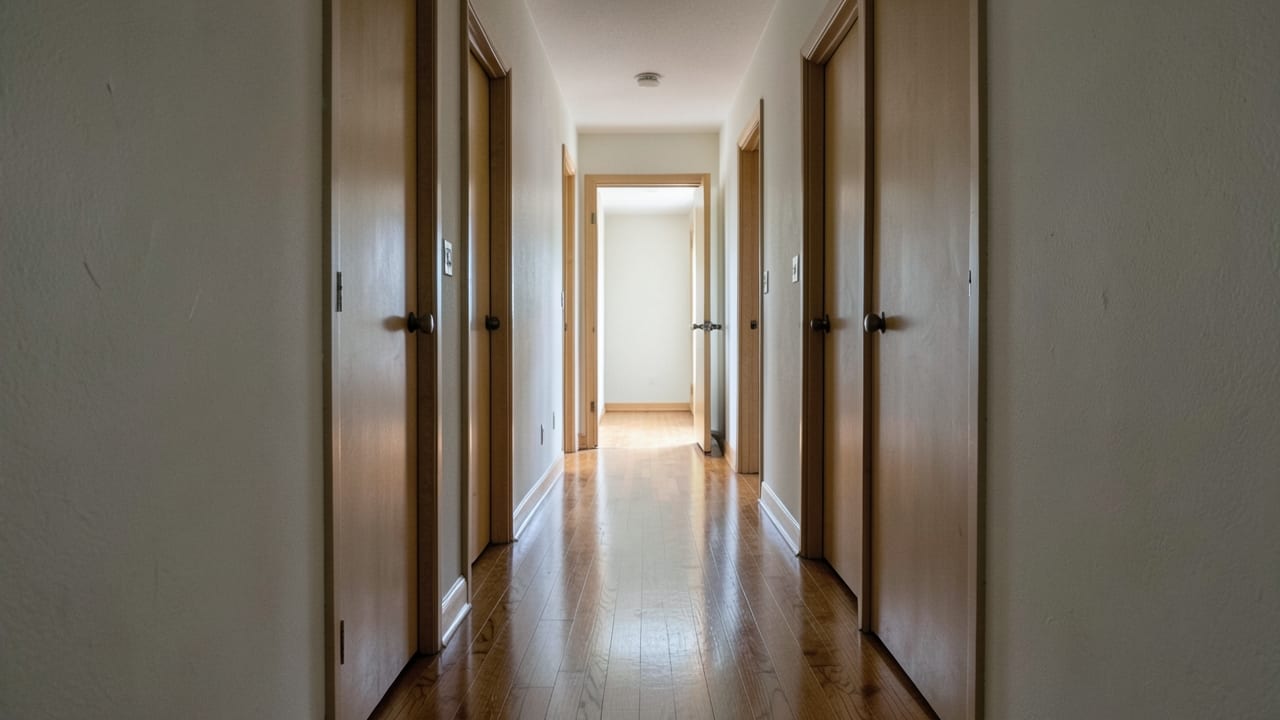
Hallway Mold Remediation in North Stonington, CT
Professional removal and treatment of mold growth in residential hallways.
Learn More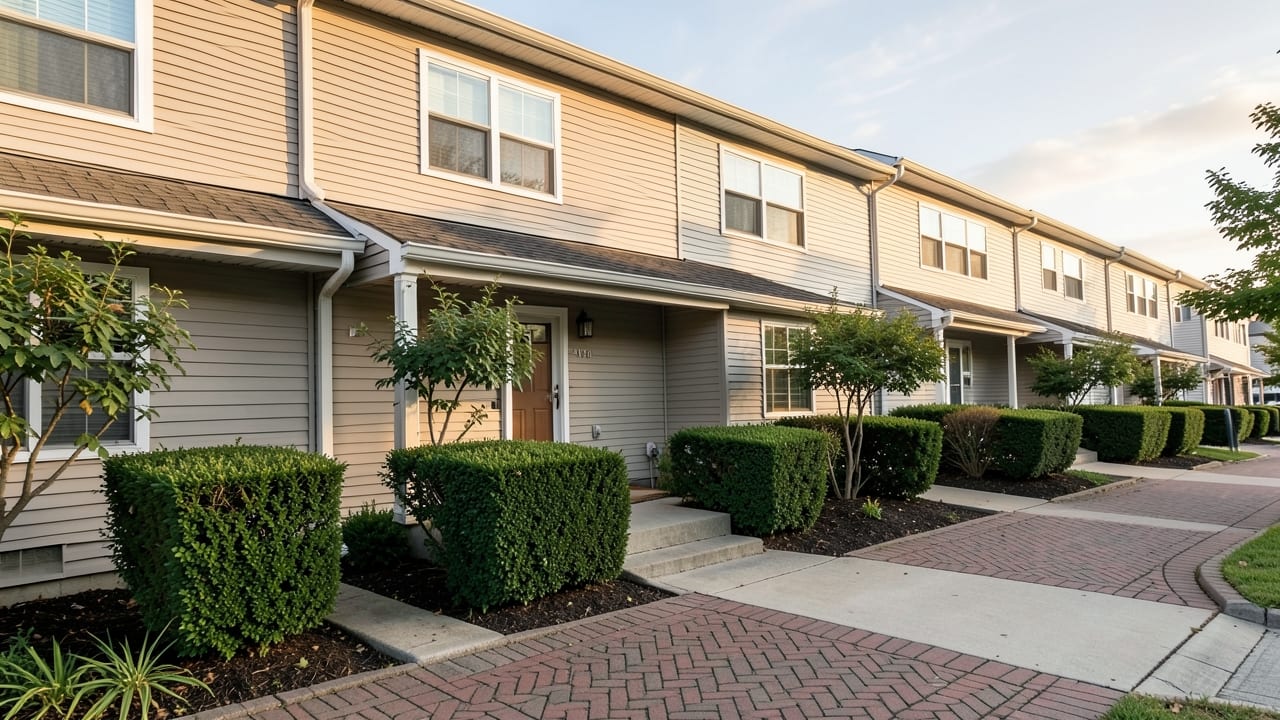
HOA Mold Remediation in North Stonington, CT
Professional mold removal and remediation for HOA properties to restore safe, healthy living conditions.
Learn More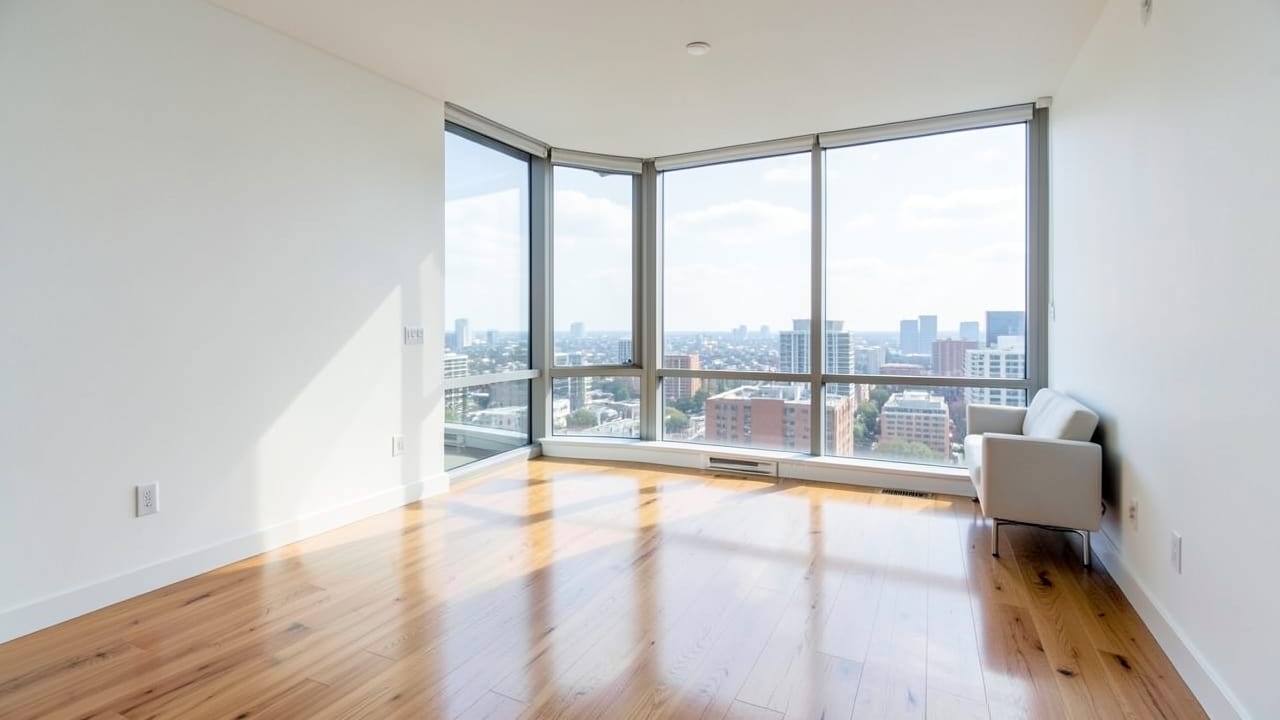
Condo Mold Remediation in North Stonington, CT
Professional removal and treatment of mold in condominiums to restore safe, healthy living spaces.
Learn More
Restaurant Mold Remediation in North Stonington, CT
Professional mold removal and remediation for restaurant spaces to ensure safety and compliance.
Learn More
Hotel Mold Remediation in North Stonington, CT
Professional removal and treatment of mold growth in hotel properties to restore safe, clean environments.
Learn More
Gym Mold Remediation in North Stonington, CT
Professional removal and treatment of mold in gyms to restore safe, clean environments.
Learn MoreCommon Questions About Mold Remediation in North Stonington
Everything you need to know about mold remediation services in North Stonington
How much does Pre-Winter Mold Prevention typically cost in North Stonington, CT?
Why does North Stonington, CT's humidity make mold a bigger risk than in drier regions?
How long does a typical mold remediation job take?
Is it safe to stay in the home during mold remediation?
Can small mold problems be handled without hiring anyone?
What's the actual difference between mold removal and mold remediation?
Need Mold Remediation in North Stonington?
Connect with local providers in North Stonington for a detailed quote.
⏰ We answer your call • Serving all of North Stonington and surrounding areas