
Window Sill Mold Cleanup
Professional cleanup of mold growth on window sills to restore a healthy indoor environment.
Window sill mold in North Stonington, CT, thrives in damp, poorly ventilated areas and can spread spores throughout your home if not addressed properly. Professional cleanup involves containment, antimicrobial treatment, and drying to reduce recurrence risks, while also addressing underlying moisture sources that fuel regrowth.
When to call for professional help
Window sill mold that covers more than a small patch—especially if it keeps returning after cleaning—often signals a deeper moisture issue. Persistent dampness in corners, musty odors with no visible mold, or growth that spreads despite repeated wiping are signs the problem may require professional remediation rather than DIY solutions.
We also handle Mold Removal & Remediation and Water Damage Restoration for North Stonington properties.
Hidden mold, such as behind baseboards or inside walls, can worsen without proper containment and testing. If you notice mold in multiple rooms or near HVAC vents, the spores may already be circulating through your home’s air system, making professional intervention more critical.
Signs You Need Professional Window Sill Mold Cleanup
- Mold covers more than 25 contiguous square feet (a common threshold for professional work).
- Growth returns within weeks after cleaning, suggesting an unresolved moisture source.
- Musty smells persist even after visible mold is wiped away, indicating hidden growth.
- Mold appears in multiple rooms or near air vents, risking wider contamination.
What affects cost and scope
Pricing for window sill mold cleanup in North Stonington varies based on the size of the affected area, the type of mold (e.g., black mold may require additional precautions), and whether hidden moisture sources need addressing.
Surface-level mold on drywall or tile typically falls within a predictable range, but jobs requiring containment, structural drying, or clearance testing can increase costs.
DIY attempts that fail to contain spores or address moisture often lead to larger, more expensive remediation jobs later. Professional work includes containment, HEPA filtration, and post-remediation testing to confirm the job’s effectiveness, which may not be reflected in lower upfront quotes.
What to watch for in quotes
Not all quotes for mold cleanup include the same steps. Containment, clearance testing, and moisture source repairs may be priced separately, so a low estimate that excludes these could leave you with incomplete work. Always ask whether the quote covers inspection, remediation, and third-party testing to avoid surprises later.
A written scope of work is essential for comparing bids and protecting against unexpected charges. Vague language about ‘square footage’ or ‘affected area’ can hide discrepancies, while a detailed breakdown ensures transparency. Avoid quotes that pressure you to sign during the inspection or require full payment upfront.
Avoid estimates that exclude containment, clearance testing, or moisture source repairs. Verbal promises without a written scope can lead to hidden costs or incomplete work.
How window sill mold cleanup works
- 1Containment Setup
Plastic sheeting and negative-air machines seal the work area to prevent spores from spreading to other parts of the home during removal.
- 2Removal and Treatment
Porous materials like drywall or insulation are cut out and bagged, while non-porous surfaces are scrubbed with antimicrobial solutions to kill remaining spores.
- 3HEPA Filtration and Drying
HEPA air scrubbers and vacuums capture airborne spores, and industrial dehumidifiers dry the structure to prevent regrowth.
- 4Clearance Testing
An independent lab tests air or surfaces post-remediation to confirm spore levels are back to normal before containment is removed.
- 5Moisture Source Fix
The underlying cause—like leaks, condensation, or poor grading—is addressed to reduce the risk of future mold.
Frequently asked questions
Can I clean window sill mold myself, or do I need a professional?
Small, isolated patches can sometimes be cleaned with vinegar or commercial mold killers, but if the mold covers more than 25 square feet, keeps returning, or spreads to other areas, professional remediation is recommended to prevent wider contamination.
How long does window sill mold cleanup take?
The timeline depends on the size of the affected area and whether hidden moisture or structural drying is needed. A single room with surface mold may take a few hours, while larger or complex jobs can span multiple days.
Will my home insurance cover mold cleanup?
Coverage depends on your policy and whether the mold resulted from a covered event, like a burst pipe. Review your policy or contact your insurer to confirm, as many exclude pre-existing mold or neglect-related damage.
How can I prevent mold from coming back after cleanup?
Fixing the moisture source—such as repairing leaks, improving ventilation, or adjusting humidity—is critical. Using dehumidifiers in damp areas and ensuring proper airflow can also help reduce recurrence risks.
See Pawcatuck, CT for more, or find out about what's included in our North Stonington service across the area for our complete lineup.
Ready to get started?
Talk to a local mold remediation pro in North Stonington — get a written quote.
Other Mold Remediation Services in North Stonington
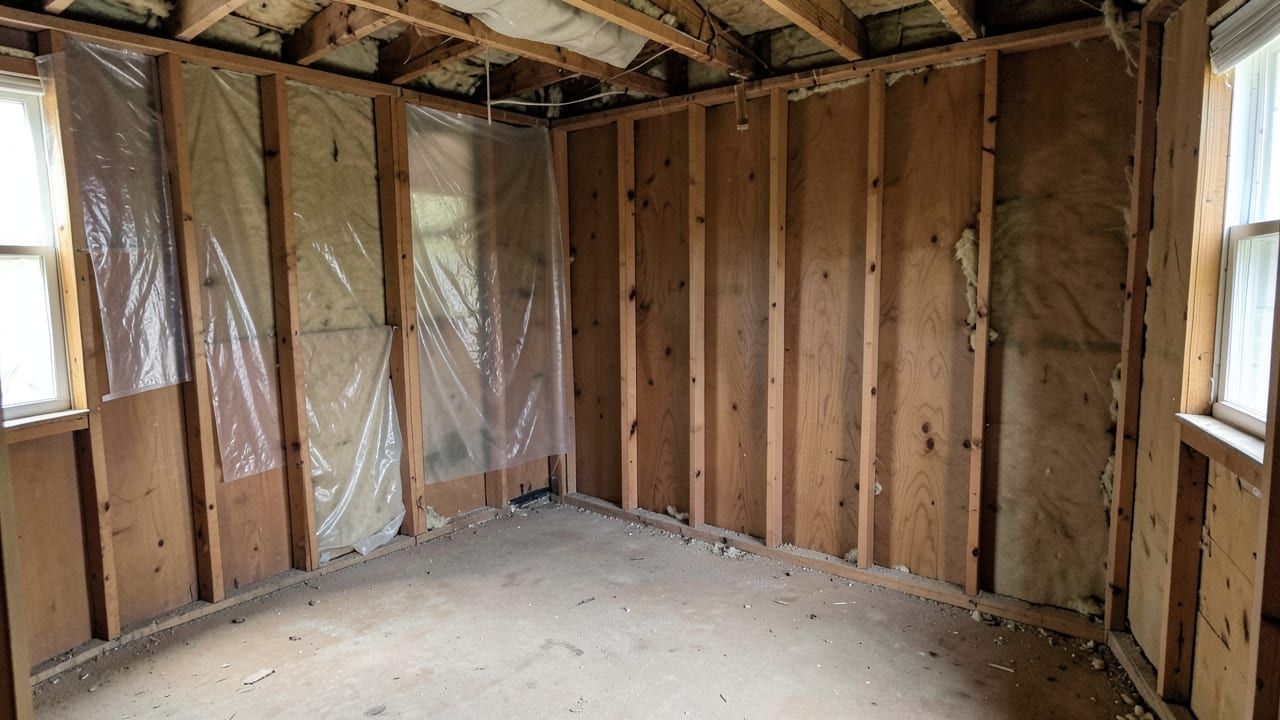
Mold Removal & Remediation in North Stonington, CT
Mold removal and remediation in North Stonington, CT — containment, HEPA filtration, and removal of affected material following industry (IICRC S520) protocol.
Learn More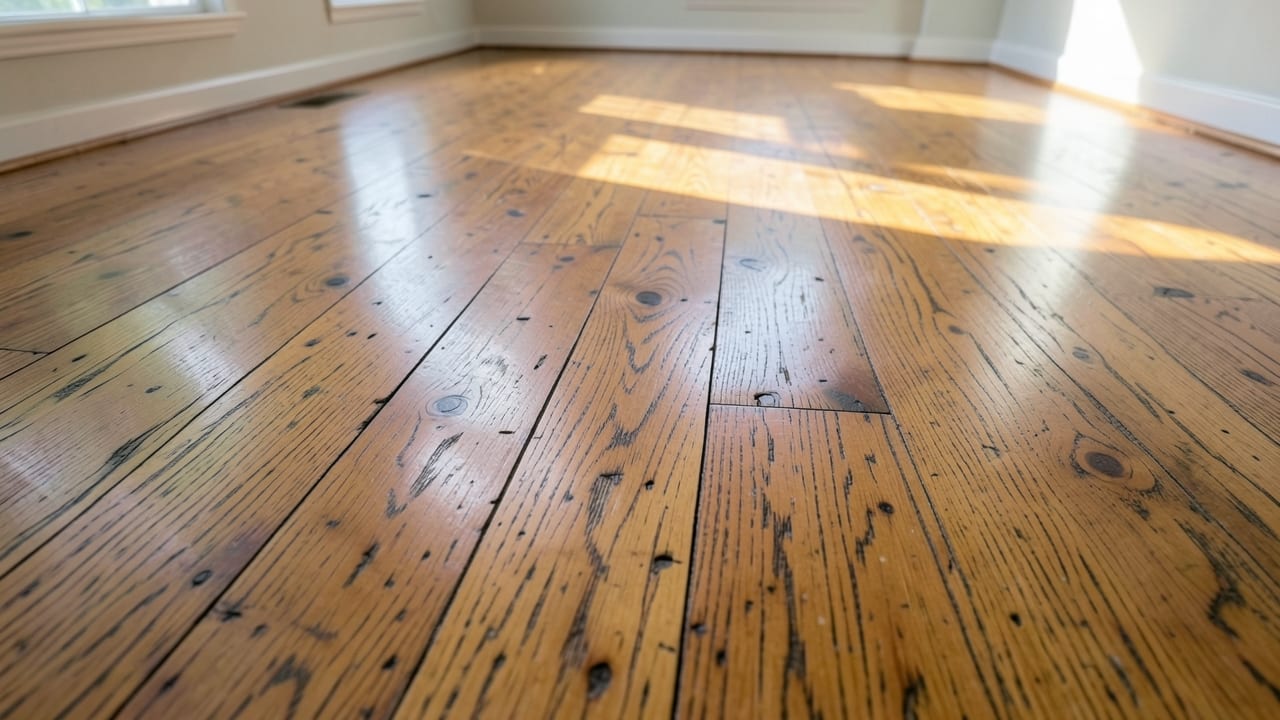
Water Damage Restoration in North Stonington, CT
Water damage restoration in North Stonington, CT — extraction and structural drying to stop mold growth before it starts, following a leak, storm, or flood.
Learn More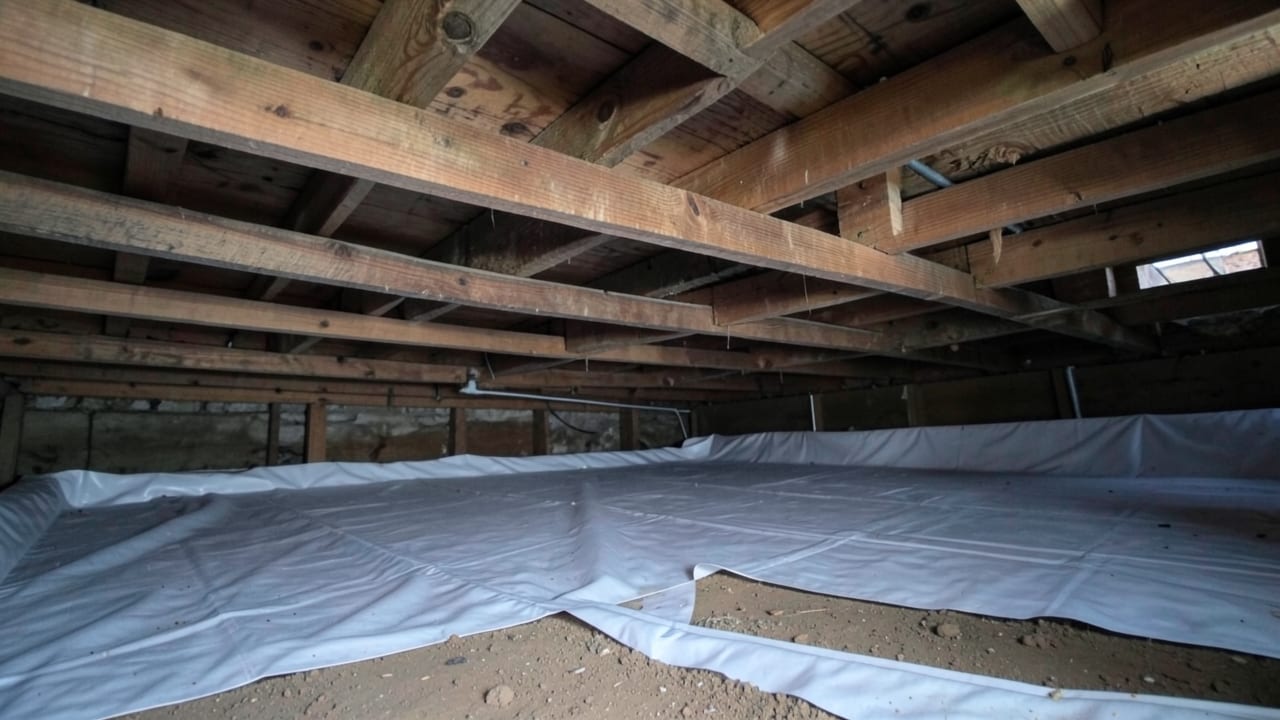
Crawl Space & Basement Mold Remediation in North Stonington, CT
Crawl space and basement mold remediation in North Stonington, CT addresses the two areas of a property most prone to trapped, unnoticed moisture.
Learn More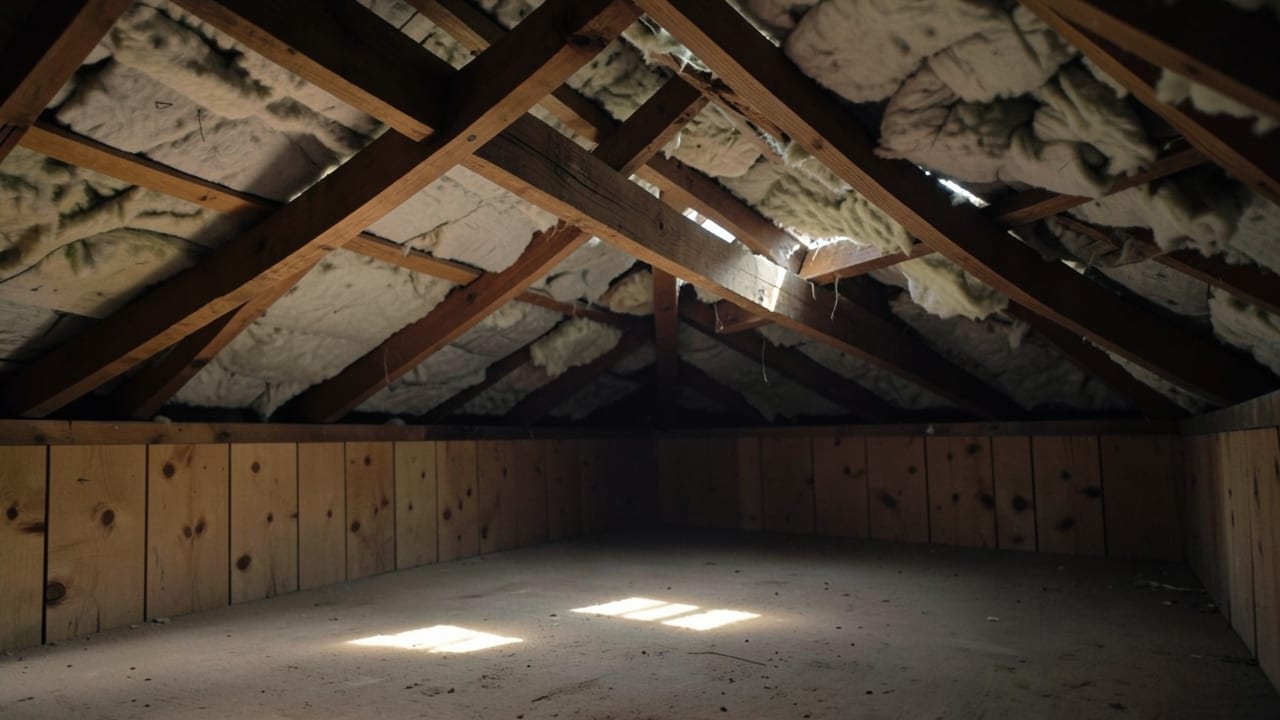
Attic Mold Remediation in North Stonington, CT
Attic mold remediation in North Stonington, CT addresses roof-deck growth typically caused by poor ventilation or a hidden roof leak.
Learn More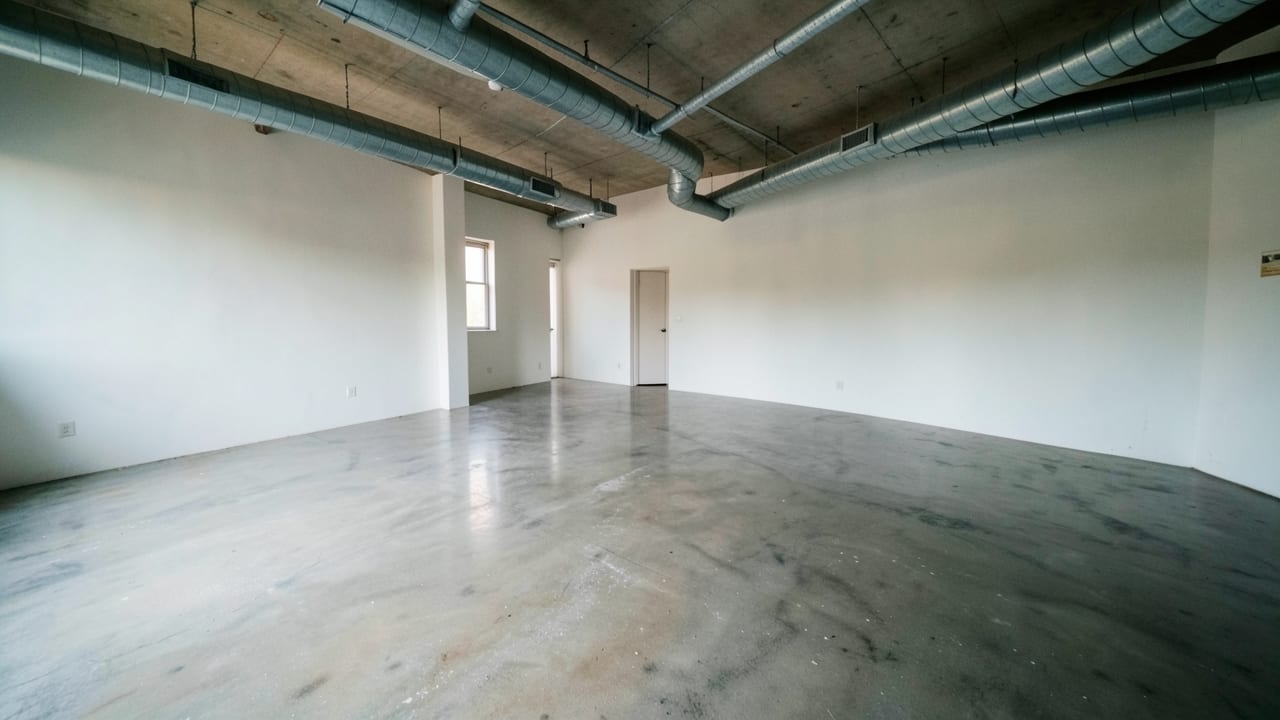
Commercial Mold Remediation in North Stonington, CT
Commercial mold inspection and remediation in North Stonington, CT for offices, retail space, and multi-unit properties, scheduled around business operations.
Learn More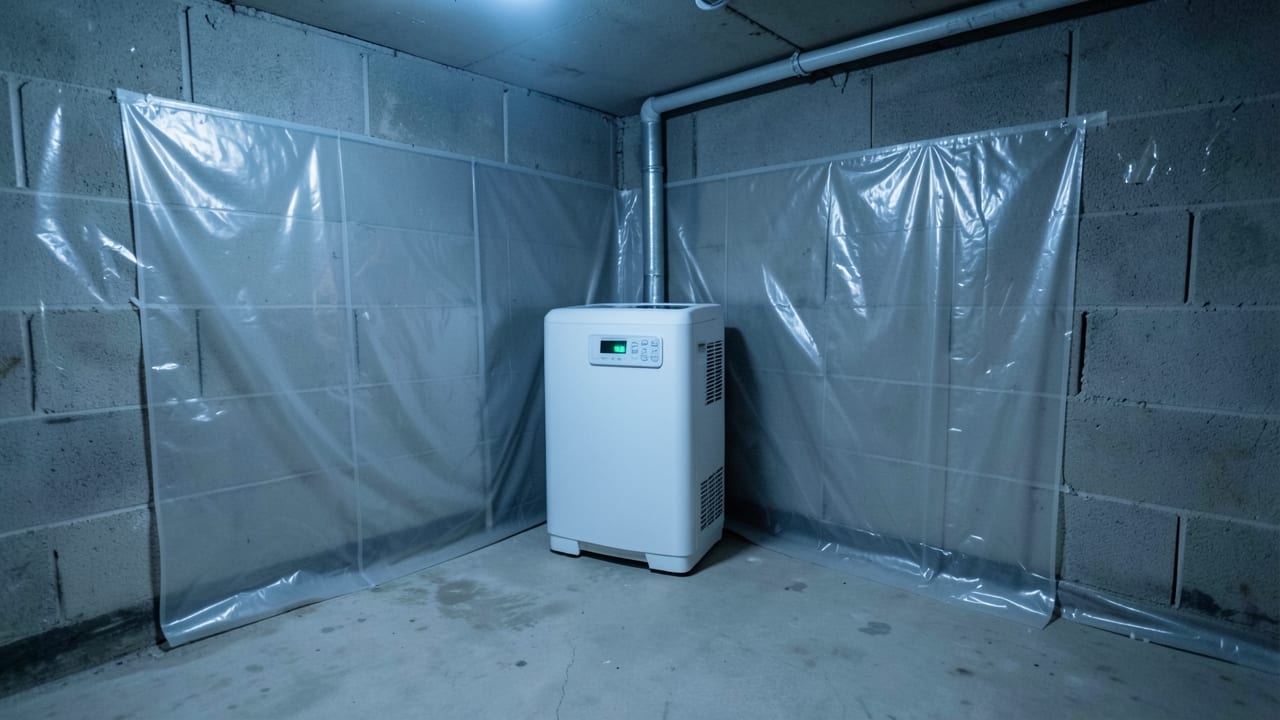
Mold Prevention & Moisture Control in North Stonington, CT
Mold prevention and moisture control in North Stonington, CT — addressing ventilation, humidity, and drainage before growth starts, not after.
Learn MoreCommon Questions About Mold Remediation in North Stonington
Everything you need to know about mold remediation services in North Stonington
How much does Window Sill Mold Cleanup typically cost in North Stonington, CT?
Why does North Stonington, CT's humidity make mold a bigger risk than in drier regions?
Is a final clearance test part of a typical mold remediation job?
How does mold remediation actually prevent the problem from coming back?
Can mold growing inside HVAC ductwork spread to the rest of a home?
Does mold mean the same thing as mildew?
Need Mold Remediation in North Stonington?
Connect with local providers in North Stonington for a detailed quote.
⏰ We answer your call • Serving all of North Stonington and surrounding areas