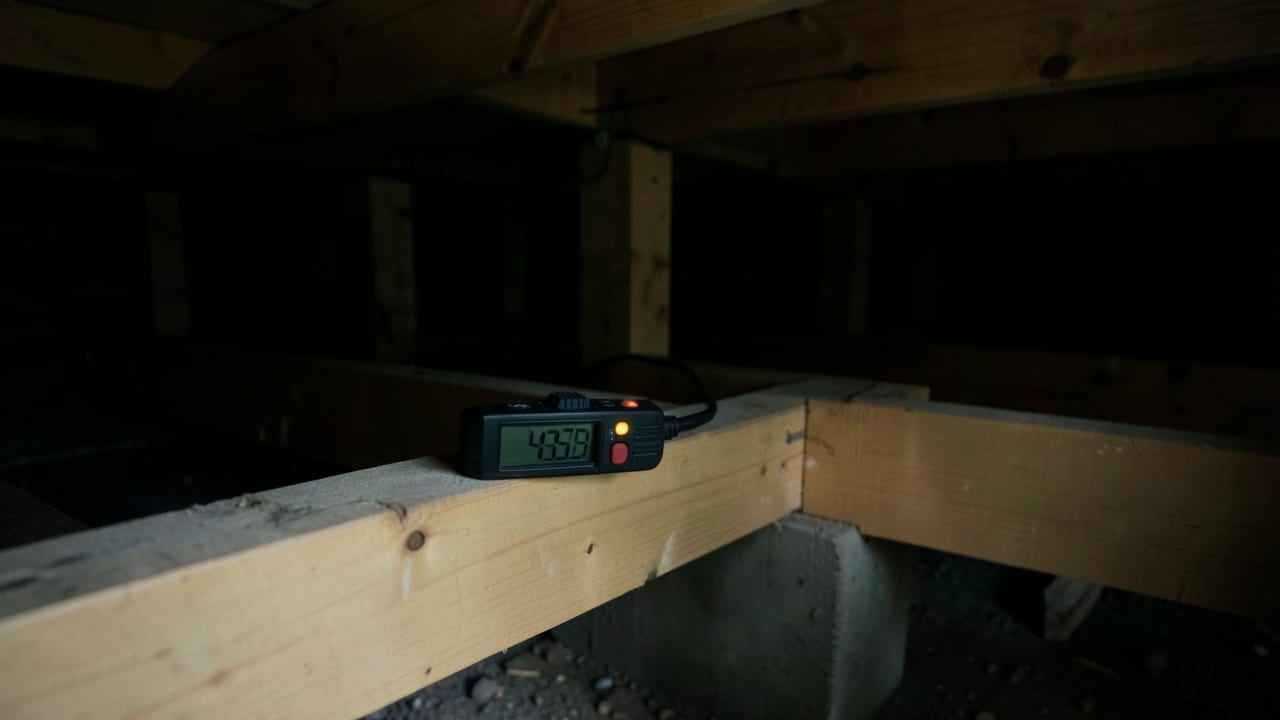
Spring Mold Inspection
Professional assessment and identification of mold growth in homes.
Spring in North Stonington, CT, brings increased humidity and moisture that can create ideal conditions for mold growth in homes. A professional mold inspection identifies hidden contamination, traces moisture sources, and provides a detailed report to guide remediation—helping homeowners address issues before they worsen or spread.
This service combines visual assessment, technical testing, and lab analysis to deliver actionable insights tailored to your property’s specific risks.
We also handle Crawl Space & Basement Mold Remediation and Attic Mold Remediation for North Stonington properties.
When to schedule a mold inspection
Mold often goes unnoticed until it’s already established, but certain signs warrant a professional assessment. A persistent musty or earthy odor in basements, bathrooms, or closets—especially one that lingers after airing out—is a common red flag.
Visible mold (black, green, or brown spots) on drywall, grout, window frames, or under carpets is another clear indicator, though its color alone doesn’t reveal the species or extent of the problem.
Other triggers include past water damage (even if ‘dried’), recurring health symptoms (sneezing, headaches) that ease when avoiding a specific room, or seasonal changes that reveal hidden dampness in crawl spaces or attics. Addressing these early can prevent costly remediation down the line.
Signs It’s Time for an Inspection
- A musty smell that doesn’t fade after cleaning or ventilating for 24+ hours
- Visible mold growth (dark spots, speckles, or fuzzy patches) on walls, ceilings, or floors
- Past water leaks or floods that were ‘fixed’ but never professionally inspected underneath surfaces
- Health symptoms (itchy eyes, coughing, headaches) that improve when you leave a specific room
- Condensation or dampness on windows, pipes, or basement walls year-round
- Peeling paint, warped wood, or bubbling wallpaper—signs of long-term moisture damage
What the inspection covers—and what it doesn’t
A thorough spring mold inspection in North Stonington goes beyond surface checks. After a visual walkthrough, inspectors use moisture meters and thermal imaging to detect hidden dampness in wall cavities, subfloors, or roof lines—areas often missed by homeowners.
Air and surface samples are collected from affected areas *and* a control room (an unaffected space) to compare lab results against a baseline, ensuring accuracy.
The inspection also traces moisture back to its source (e.g., roof leaks, plumbing issues, poor grading) because addressing the root cause is critical to preventing recurrence.
However, this service does not include remediation, containment, or clearance testing—those are separate steps typically handled by licensed contractors after the inspection report is provided.
| Included in the Inspection | Not Included |
|---|---|
| Visual assessment of walls, ceilings, basements, and crawl spaces for mold signs | Removal or cleanup of existing mold |
| Moisture meter and thermal imaging to detect hidden dampness | Containment (sealing off affected areas during remediation) |
| Air and surface sampling from suspect areas + control room for lab comparison | Laboratory analysis of samples (handled by third-party labs) |
| Written report detailing affected materials, moisture sources, and square footage | Fixing plumbing leaks, roof repairs, or grading issues |
| Square footage mapping for remediation contractors to use | Post-remediation clearance testing |
Pricing and what affects the cost
Pricing for a spring mold inspection in North Stonington typically ranges from $270 to $370, covering the initial walkthrough, moisture testing, and sample collection. This fee does not include lab analysis (usually $150–$300 extra, depending on the lab) or any remediation work.
Factors that can influence the final cost include the size of the home, accessibility of hidden areas (e.g., crawl spaces, attics), and whether additional sampling is needed beyond standard protocols.
Unlike remediation, inspection pricing is straightforward because it’s based on time and equipment, not the extent of contamination. However, the report generated from the inspection becomes the foundation for any remediation bids, so its accuracy directly impacts long-term costs.
Always request a detailed scope of work from remediation contractors to compare apples-to-apples.
How a spring mold inspection works
A professional inspection follows a structured process to identify mold and moisture sources without missing critical details.
- 1Visual Walkthrough
The inspector examines every accessible area of your home—walls, ceilings, basements, crawl spaces, and under sinks—for visible mold, staining, or water damage. They also note musty odors and check for past leaks or poor ventilation.
- 2Moisture and Thermal Testing
Using a moisture meter, the inspector probes walls, floors, and ceilings to detect hidden dampness. Thermal imaging may reveal temperature variations indicating trapped moisture in cavities or behind surfaces.
- 3Controlled Sampling
Air samples (spore traps) and surface swabs are collected from affected areas *and* one unaffected room (the control). This comparison ensures lab results accurately reflect contamination levels rather than background spores.
- 4Lab Analysis
Samples are sent to an independent, accredited lab for species identification and spore concentration testing. Results typically return in 2–5 business days and are used to confirm the presence and type of mold.
- 5Moisture Source Diagnosis
The inspector traces moisture back to its origin—whether it’s a roof leak, plumbing issue, condensation, or poor grading. This step is critical because fixing the source prevents mold from returning after remediation.
- 6Written Report
A detailed report is provided, outlining affected materials, square footage, likely moisture sources, and lab findings. This document is used by remediation contractors to scope and price the cleanup work.
Frequently asked questions
Can I do a mold test myself with a home kit, or do I need a professional inspection?
Home test kits can detect *some* mold presence, but they often lack the precision of professional sampling. A licensed inspector uses controlled methods (air samples + surface swabs from a clean control room), moisture meters, and thermal imaging to identify hidden issues and moisture sources—details a DIY kit misses. For accurate results and a remediation-ready report, professional inspection is recommended.
What if the inspection finds mold but no obvious moisture source?
Mold requires moisture to grow, so even if the source isn’t immediately visible, the inspector will look for hidden clues—like damp subfloors, condensation patterns, or past water damage. Common culprits include slow plumbing leaks, high indoor humidity (above 50%), or poor ventilation in bathrooms and kitchens. The report will note potential sources for further investigation by a contractor.
How long does it take to get results after the inspection?
Lab analysis typically takes 2–5 business days, depending on the facility. The inspection itself (walkthrough, sampling, and report writing) usually wraps up within a day or two, so you’ll receive the full report—including lab findings—within about a week. This timeline helps you plan next steps, like remediation or moisture fixes, before summer humidity worsens conditions.
Will the inspection tell me what’s causing my family’s allergies or respiratory issues?
While mold can exacerbate allergies or respiratory symptoms, the inspection identifies *whether* mold is present and its type/concentration—but it doesn’t diagnose health conditions. If symptoms improve when you avoid certain rooms, that’s a strong clue to investigate those areas. For medical advice, consult a healthcare provider, and share the inspection report with them for context.
See Old Mystic, CT for more, or take a look at everything on offer in North Stonington at a glance for our complete lineup.
Ready to get started?
Talk to a local mold remediation pro in North Stonington — get a written quote.
Other Mold Remediation Services in North Stonington
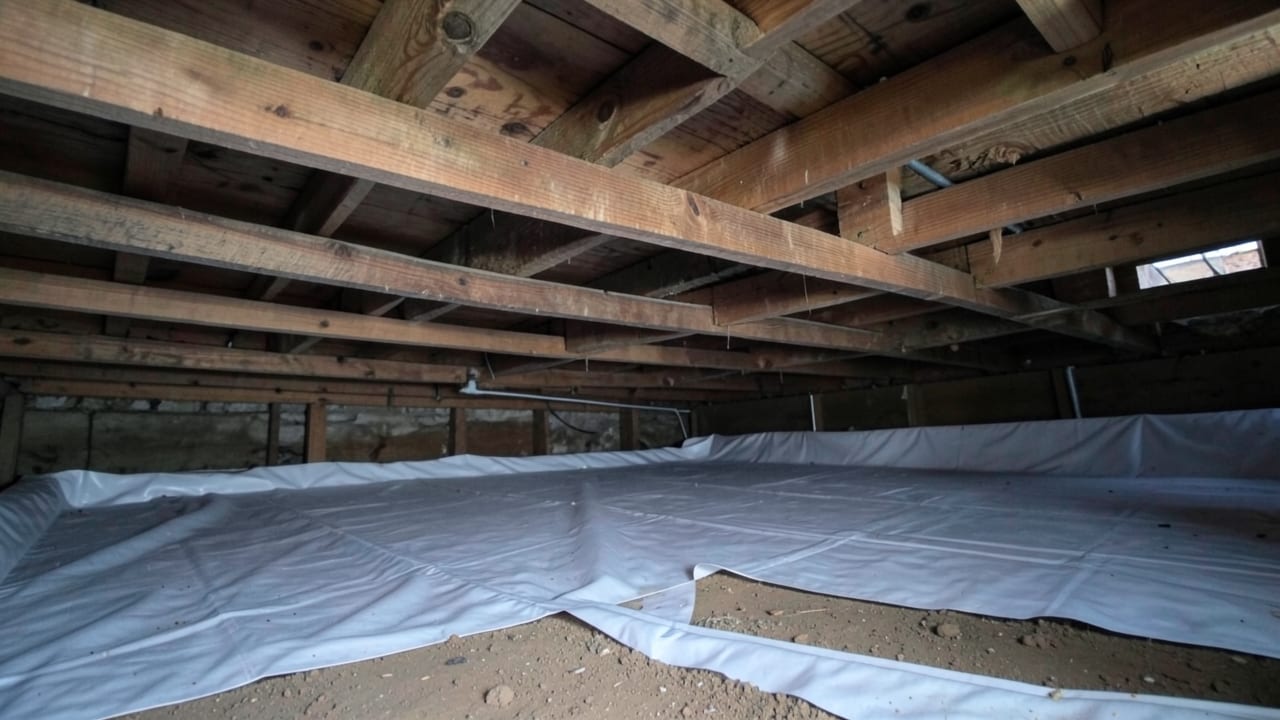
Crawl Space & Basement Mold Remediation in North Stonington, CT
Crawl space and basement mold remediation in North Stonington, CT addresses the two areas of a property most prone to trapped, unnoticed moisture.
Learn More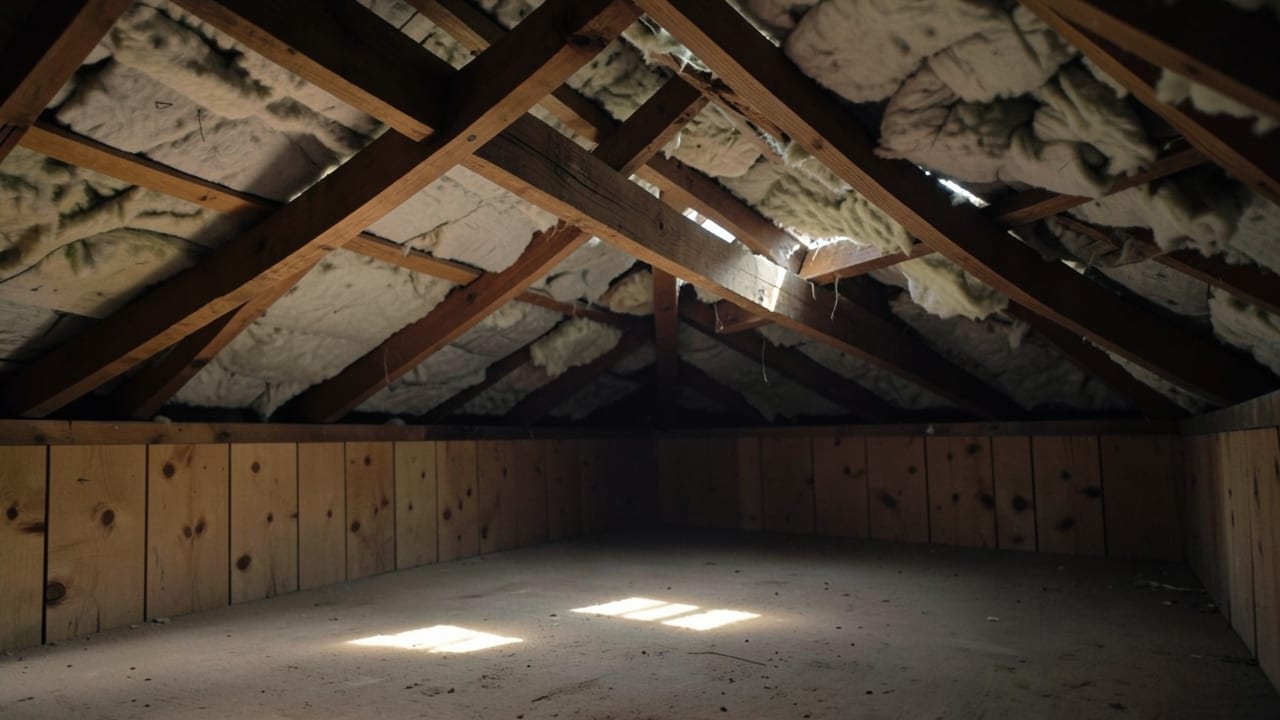
Attic Mold Remediation in North Stonington, CT
Attic mold remediation in North Stonington, CT addresses roof-deck growth typically caused by poor ventilation or a hidden roof leak.
Learn More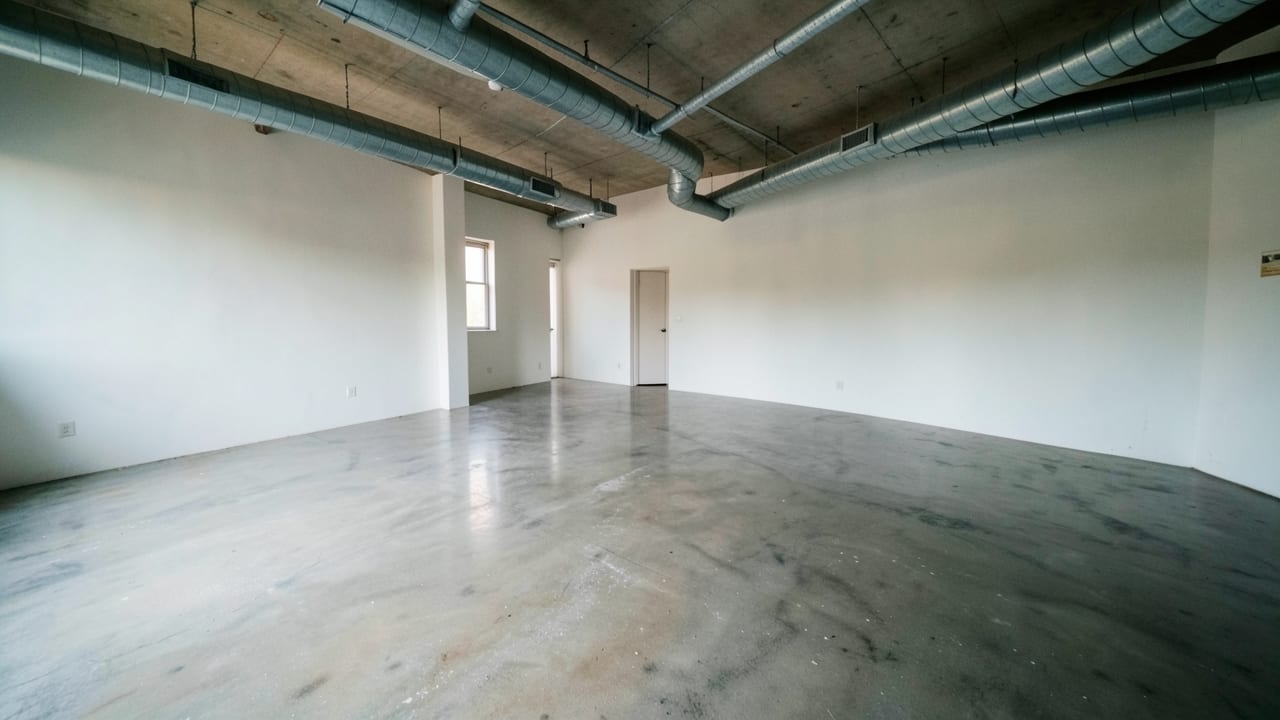
Commercial Mold Remediation in North Stonington, CT
Commercial mold inspection and remediation in North Stonington, CT for offices, retail space, and multi-unit properties, scheduled around business operations.
Learn More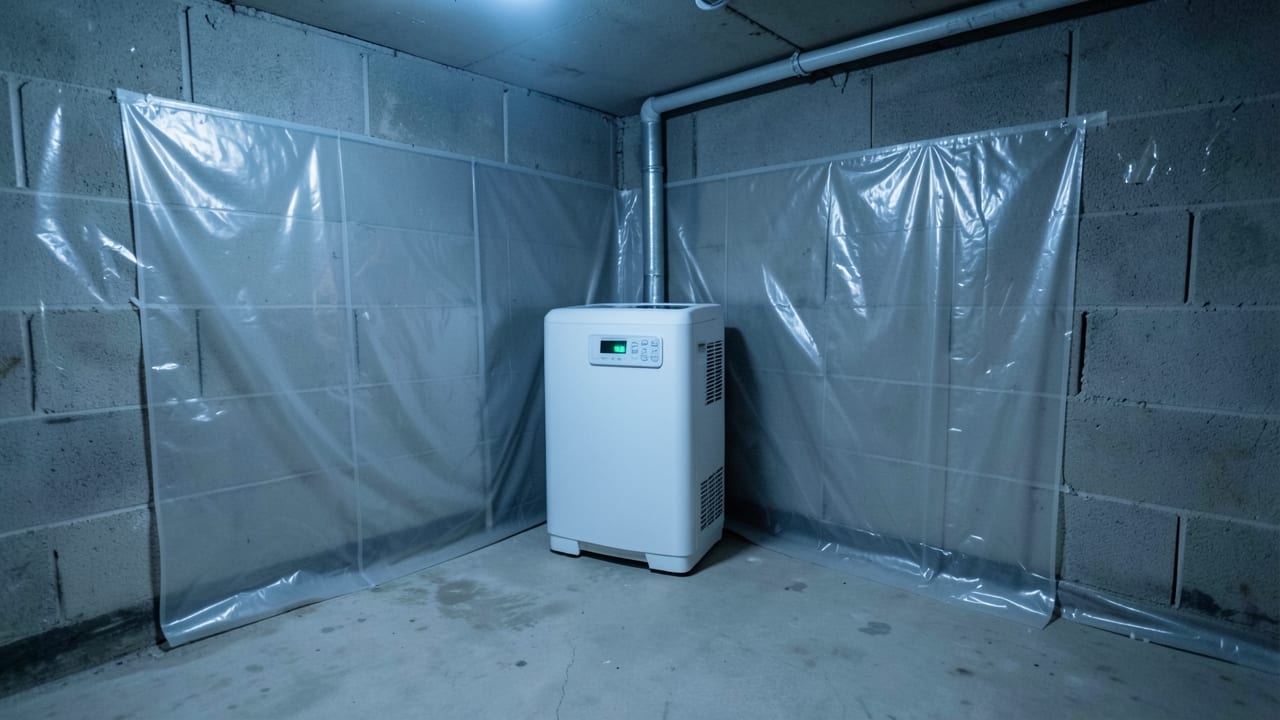
Mold Prevention & Moisture Control in North Stonington, CT
Mold prevention and moisture control in North Stonington, CT — addressing ventilation, humidity, and drainage before growth starts, not after.
Learn More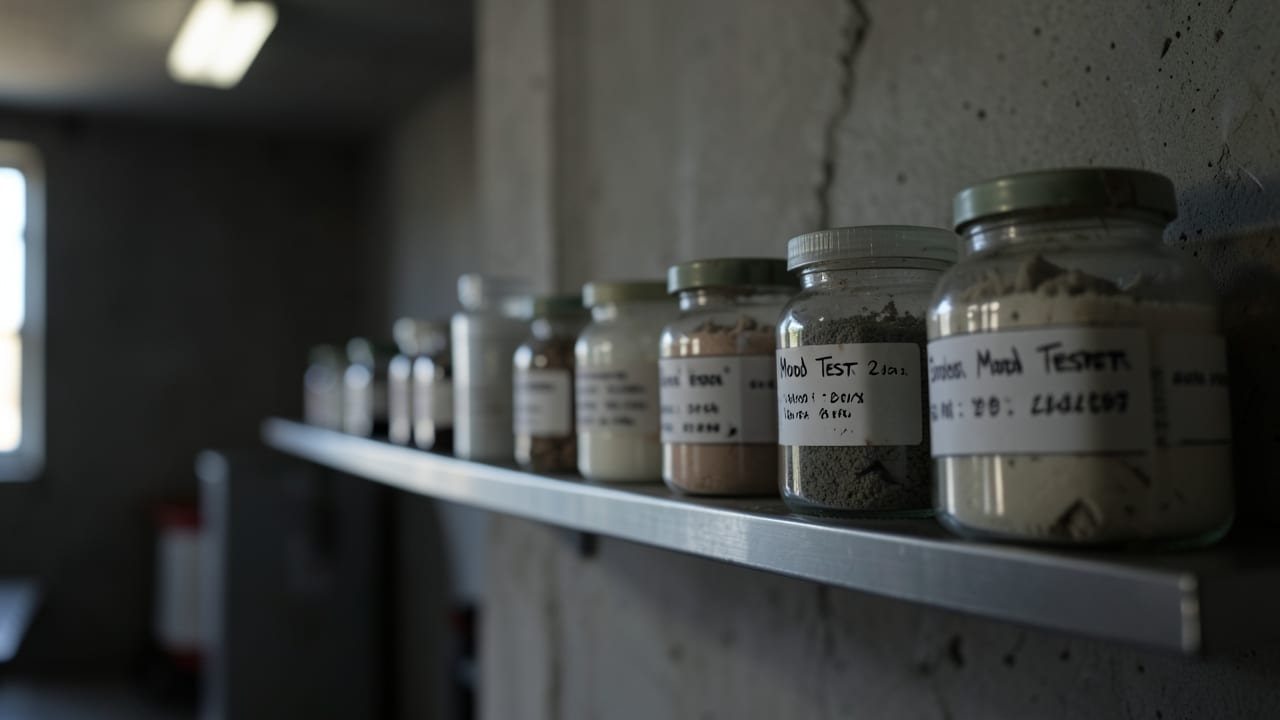
Mold & Asbestos Testing in North Stonington, CT
Combined mold and asbestos testing in North Stonington, CT — one inspection visit, lab-verified results for both.
Learn More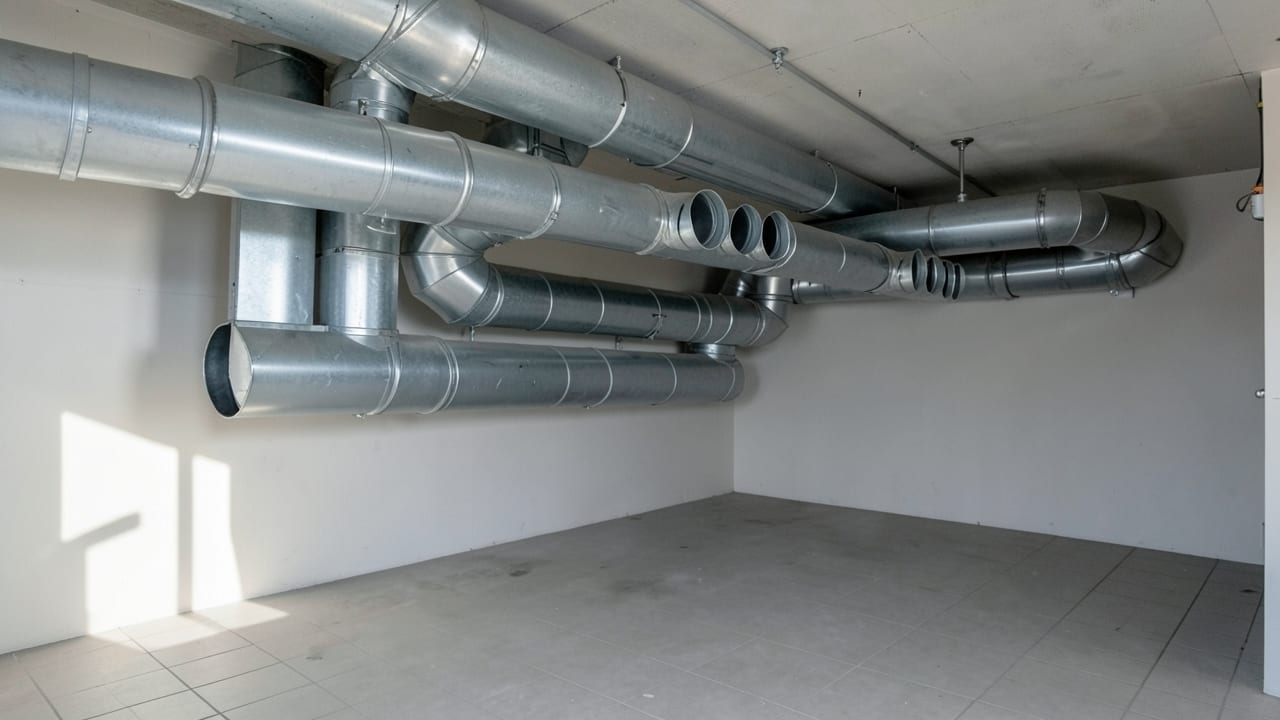
HVAC Mold Remediation in North Stonington, CT
HVAC and ductwork mold remediation in North Stonington, CT — mold growing inside the air handler or duct system, spreading through every vent.
Learn MoreCommon Questions About Mold Remediation in North Stonington
Everything you need to know about mold remediation services in North Stonington
How much does Spring Mold Inspection typically cost in North Stonington, CT?
Why does North Stonington, CT's humidity make mold a bigger risk than in drier regions?
How long does a typical mold remediation job take?
Is it safe to stay in the home during mold remediation?
Can small mold problems be handled without hiring anyone?
What's the actual difference between mold removal and mold remediation?
Need Mold Remediation in North Stonington?
Connect with local providers in North Stonington for a detailed quote.
⏰ We answer your call • Serving all of North Stonington and surrounding areas