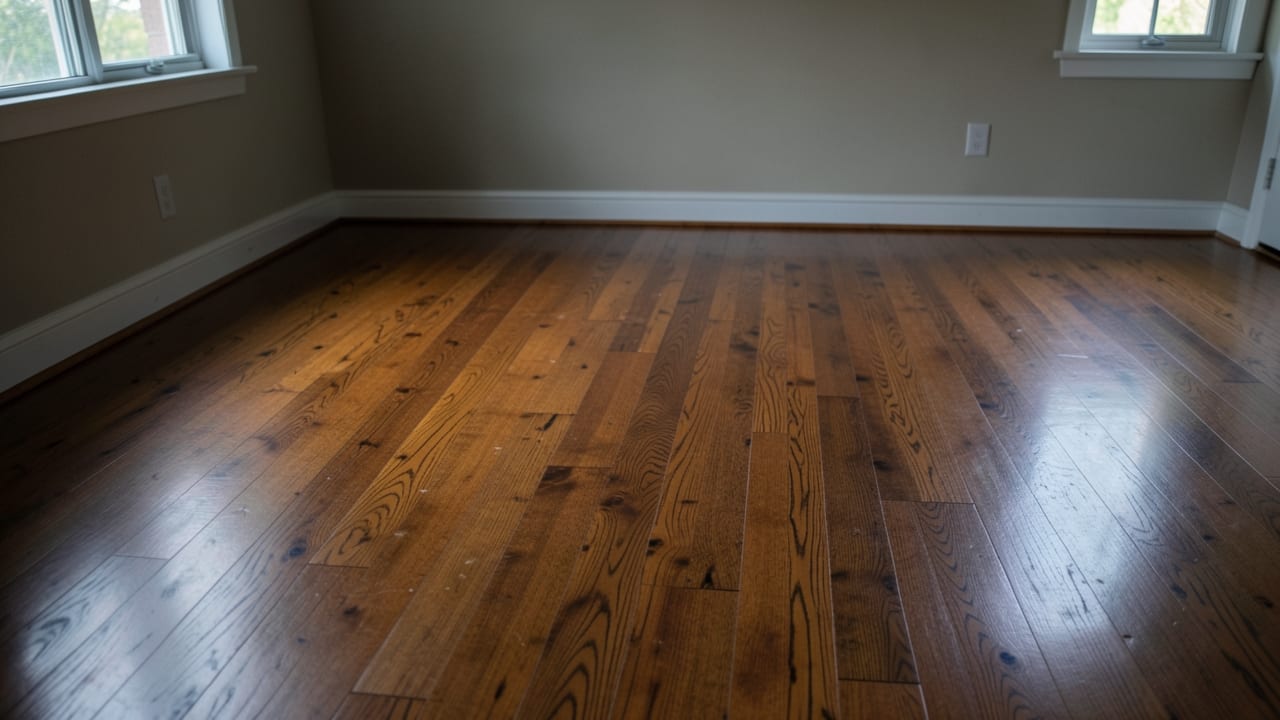
Flood Damage Mold Remediation
Professional mold removal and remediation after flood damage in homes.
Flood damage in North Stonington often leads to hidden mold growth in walls, basements, and under floors. Proper remediation involves containment, removal of contaminated materials, HEPA filtration, and structural drying to prevent regrowth.
Local contractors follow state guidelines to safely address mold after water damage, ensuring affected areas are properly treated and tested.
We also handle Brick Masonry Mold Treatment and Stairwell Mold Remediation for North Stonington properties.
When flood damage becomes a mold problem
Flooding creates the perfect conditions for mold—moisture, organic material, and time. If left unchecked, mold can spread quickly, often hiding behind walls, under flooring, or inside ductwork.
Recognizing the signs early helps limit the scope of remediation needed. Musty odors, visible growth, or recurring dampness are clear indicators that professional intervention is required.
In North Stonington, mold coverage exceeding a small patch (typically over 25 square feet) or regrowth after cleanup signals the need for professional remediation. Hidden mold, especially in enclosed spaces like basements or windowless rooms, often requires structural inspection to fully address the issue.
Signs You Need Flood Damage Mold Remediation
- Mold covers more than a small, isolated patch (over 25 sq ft).
- Growth keeps returning after cleaning or drying attempts.
- A musty smell persists with no visible mold in the room.
- Dampness or condensation remains in enclosed spaces (closets, basements).
- HVAC system odor worsens when running, suggesting duct contamination.
What affects cost and scope in North Stonington
The cost of flood damage mold remediation varies based on the size of the affected area, the type of materials involved, and whether the mold is confirmed as black mold (Stachybotrys). Porous materials like drywall and insulation are typically removed rather than cleaned, while non-porous surfaces may be treated.
Containment, HEPA filtration, and clearance testing add to the total cost but are essential for effective remediation.
Local pricing reflects these variables, with typical ranges based on square footage. Hidden mold or structural damage discovered during the process can also impact the final quote. Always confirm whether the estimate includes inspection, testing, and clearance verification to avoid unexpected costs.
What to ask before hiring a remediation service
Not all remediation quotes are created equal. Some may exclude critical steps like containment setup, HEPA filtration, or post-remediation testing, leading to incomplete results. A thorough quote should detail the scope of work, including inspection, removal, drying, and clearance testing.
Asking the right questions upfront helps ensure the job is done safely and effectively.
Licensing and testing protocols are also key. Connecticut does not require a dedicated mold license, but contractors must register with the state’s Home Improvement Contractor law. Independent clearance testing by a third party verifies that spore levels return to normal after remediation.
| Question to Ask | Why It Matters |
|---|---|
| Does the estimate include inspection, testing, and clearance testing? | Excludes critical steps if omitted. |
| Is a written scope of work provided before any work starts? | Protects against unexpected costs or incomplete work. |
| Will a third-party lab confirm clearance after remediation? | Ensures independent verification of results. |
| Is the moisture source (leak, condensation, grading) part of the fix? | Prevents regrowth if not addressed. |
| Has the contractor registered with Connecticut’s Home Improvement Contractor law? | Confirms legal compliance with state requirements. |
How flood damage mold remediation works
Remediation follows a structured process to safely remove mold and prevent regrowth.
- 1Containment Setup
Plastic sheeting and negative-air machines seal the work area to prevent spores from spreading to unaffected parts of the home. This step is critical before any materials are disturbed.
- 2Material Removal or Treatment
Porous materials like drywall and insulation, which absorb mold, are cut out and bagged. Non-porous surfaces, such as tile or framing, are scrubbed and treated to kill remaining spores.
- 3HEPA Filtration and Cleanup
HEPA-filtered air scrubbers run continuously during removal to capture airborne spores. Surfaces are vacuumed with HEPA-equipped tools to ensure spores are not recirculated into the air.
- 4Structural Drying
Industrial dehumidifiers and air movers dry framing and subfloors to normal moisture levels, as damp materials can still support mold growth even after visible traces are removed.
- 5Clearance Testing
An independent lab tests air or surface samples post-remediation to confirm spore levels are back to normal before containment is removed and the area is considered finished.
Frequently asked questions
How do I know if my mold problem is severe enough to need professional remediation?
If mold covers more than a small patch (typically over 25 square feet), keeps returning after cleaning, or is hidden behind walls/ductwork, professional remediation is recommended. Musty odors with no visible growth also signal hidden contamination.
Will my insurance cover flood damage mold remediation?
Coverage depends on your policy. Flood-specific policies often include mold remediation if the damage is directly tied to flooding. Review your policy or consult your insurer to confirm what is covered under your plan.
How long does the remediation process typically take?
The timeline varies by scope, but containment, removal, drying, and testing usually take 2–5 days for a standard job. Large or complex cases may require additional time, especially if structural repairs are needed.
Can I stay in my home during mold remediation?
It depends on the containment setup. If the work area is fully sealed and HEPA filtration is in place, some homeowners remain on-site. However, if the mold is extensive or toxic (like black mold), contractors may recommend temporary relocation for safety.
See Conning Towers-Nautilus Park, CT for more, or explore every option available in North Stonington by neighborhood for our complete lineup.
Ready to get started?
Talk to a local mold remediation pro in North Stonington — get a written quote.
Other Mold Remediation Services in North Stonington
Brick Masonry Mold Treatment in North Stonington, CT
Professional mold treatment and removal from brick masonry to restore structural integrity and indoor air quality.
Learn More
Stairwell Mold Remediation in North Stonington, CT
Professional mold removal and prevention in stairwells to restore safe, clean spaces.
Learn More
Balcony Mold Cleanup in North Stonington, CT
Professional removal and treatment of mold growth on balconies and adjacent structures.
Learn More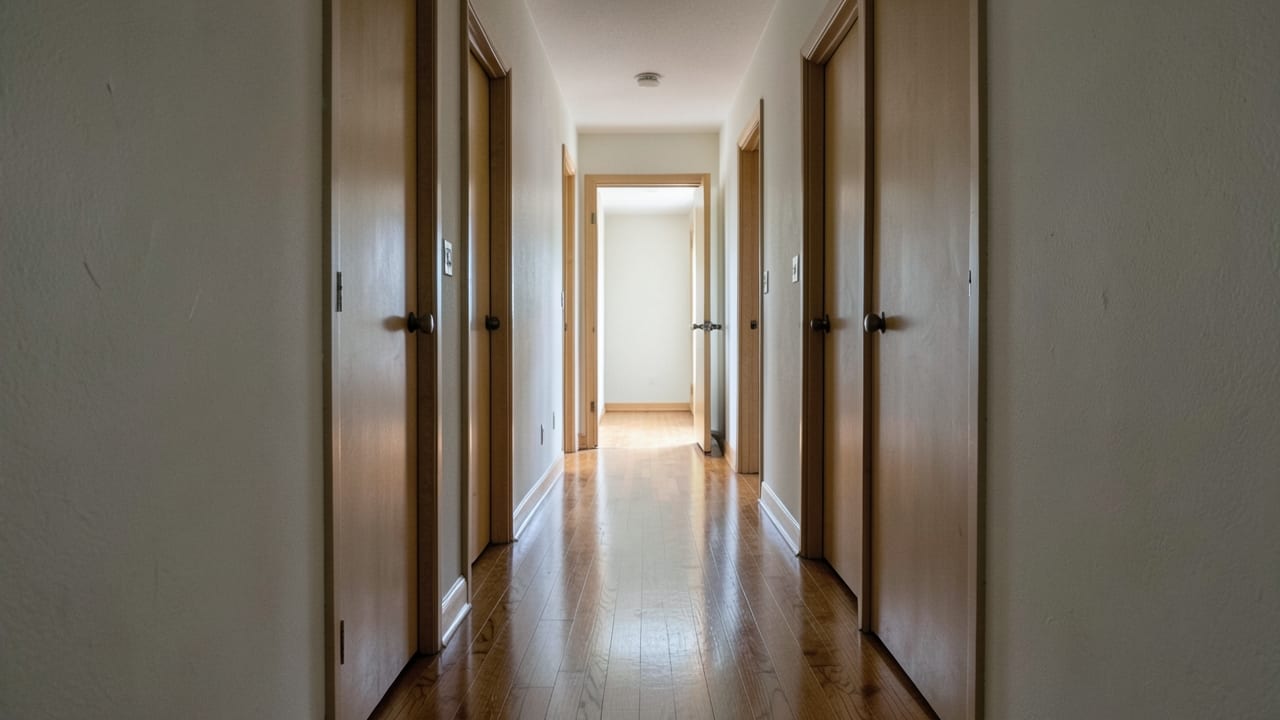
Hallway Mold Remediation in North Stonington, CT
Professional removal and treatment of mold growth in residential hallways.
Learn More
HOA Mold Remediation in North Stonington, CT
Professional mold removal and remediation for HOA properties to restore safe, healthy living conditions.
Learn More
Condo Mold Remediation in North Stonington, CT
Professional removal and treatment of mold in condominiums to restore safe, healthy living spaces.
Learn MoreCommon Questions About Mold Remediation in North Stonington
Everything you need to know about mold remediation services in North Stonington
How much does Flood Damage Mold Remediation typically cost in North Stonington, CT?
Why does North Stonington, CT's humidity make mold a bigger risk than in drier regions?
How long does a typical mold remediation job take?
Is it safe to stay in the home during mold remediation?
Can small mold problems be handled without hiring anyone?
What's the actual difference between mold removal and mold remediation?
Need Mold Remediation in North Stonington?
Connect with local providers in North Stonington for a detailed quote.
⏰ We answer your call • Serving all of North Stonington and surrounding areas