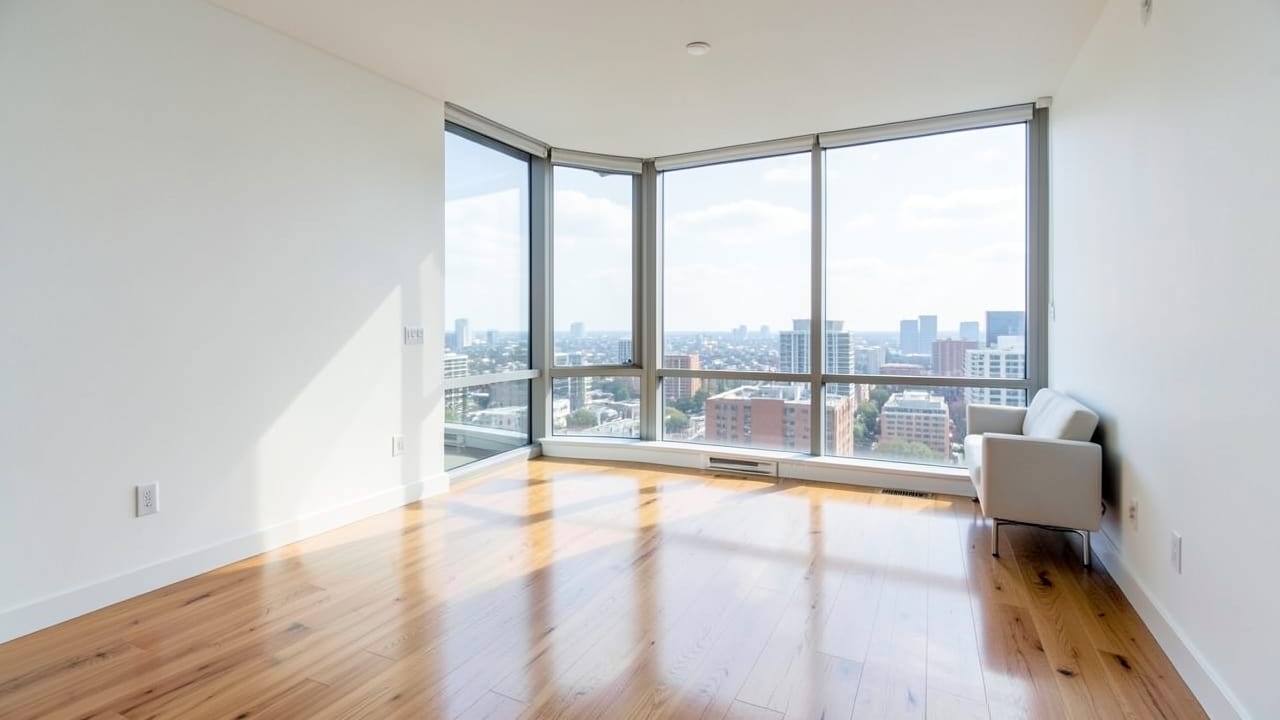
Condo Mold Remediation
Professional removal and treatment of mold in condominiums to restore safe, healthy living spaces.
Mold in condos and shared-unit homes in North Stonington, CT, requires careful remediation to prevent spread through HVAC systems and shared walls. Proper containment, removal of contaminated materials, and moisture control are essential to address hidden growth and stop regrowth.
Local contractors follow strict protocols to minimize disruption while ensuring safety and effectiveness.
We also handle Move-In Mold Assessment and Pre-Sale Mold Clearance for North Stonington properties.
When mold remediation is needed
Mold growth beyond a small, isolated patch (typically over 25 square feet) often signals the need for professional remediation.
Recurring mold in the same spot after cleaning suggests an unresolved moisture issue, while hidden growth—indicated by musty odors or stronger smells when HVAC runs—may require opening walls or ducts for inspection.
Poor ventilation in enclosed spaces like closets or basements can also create ideal conditions for mold. If you notice a persistent musty smell, visible discoloration, or health symptoms like allergies or respiratory irritation, it’s time to assess whether the problem has outgrown DIY solutions.
Signs Your Mold Problem Needs Professional Help
- Mold covers more than a small, isolated patch (over 25 square feet).
- Growth keeps returning in the same spot after cleaning.
- Musty odors persist even after visible mold is removed.
- Health symptoms (sneezing, coughing, skin irritation) worsen in the affected area.
What affects the cost and timeline
The size of the affected area and the type of materials involved (e.g., drywall vs. tile) directly impact pricing. Larger or complex jobs—like those requiring duct cleaning or structural drying—take longer and may involve additional containment measures to prevent spore spread.
Hidden moisture sources, such as leaks behind walls or poor grading outside, often require extra work to fix. Without addressing these, mold can return quickly, making prevention just as critical as removal.
Why containment and testing matter
Containment—using plastic sheeting and negative-air machines—keeps spores generated during removal from spreading to unaffected areas. Without it, spores can drift through hallways or HVAC systems, turning a small job into a larger one. HEPA filtration during cleanup ensures spores are captured, not recirculated.
Clearance testing after remediation confirms spore levels are back to normal. Skipping this step leaves no independent verification that the job was fully effective, and hidden moisture sources can lead to regrowth if not addressed.
Using standard shop vacuums or non-HEPA filters recirculates spores instead of capturing them. Paying upfront without a written scope leaves no recourse if work isn’t completed as promised. Skipping clearance testing means you won’t know if the job was fully resolved.
How condo mold remediation works
Professional remediation follows a structured process to safely remove mold and prevent recurrence.
- 1Containment Setup
Plastic sheeting and negative-air machines seal the work area to trap spores. This prevents them from spreading to shared spaces or HVAC systems during removal.
- 2Material Removal and Cleaning
Porous materials like drywall or carpet padding are cut out and bagged, while non-porous surfaces are scrubbed and treated. This ensures mold isn’t just surface-level.
- 3HEPA Filtration and Structural Drying
HEPA air scrubbers run continuously, and surfaces are vacuumed with HEPA equipment to capture spores. Industrial dehumidifiers dry framing and subfloors to prevent regrowth.
- 4Clearance Testing
An independent lab tests air or surfaces post-remediation to confirm spore levels are back to normal before containment is removed.
Frequently asked questions
How do I know if my mold problem is too big for DIY?
If mold covers more than 25 square feet, keeps returning after cleaning, or you notice musty odors with no visible source, it’s likely time for professional help. Hidden growth—like behind walls or in ducts—often requires specialized tools and containment.
Will mold come back if I don’t fix the moisture source?
Yes. Removing mold without addressing leaks, condensation, or poor ventilation leaves materials exposed to moisture, leading to regrowth within months. Fixing the source is critical to long-term results.
Do I need to move out during remediation?
Not always. Containment keeps spores localized, but some jobs—especially those involving ductwork or shared walls—may require temporary relocation for safety. A professional can assess whether your space can stay occupied.
How long does the process take?
Small jobs may take a day, while larger or complex ones—like those with hidden moisture or duct cleaning—can take several days. Structural drying and clearance testing add time to ensure the job is fully resolved.
See Oxoboxo River, CT for more, or explore everything North Stonington homeowners can book with us at a glance for our complete lineup.
Ready to get started?
Talk to a local mold remediation pro in North Stonington — get a written quote.
Other Mold Remediation Services in North Stonington
Move-In Mold Assessment in North Stonington, CT
Professional inspection and assessment of mold presence before moving into a property.
Learn More
Pre-Sale Mold Clearance in North Stonington, CT
Pre-sale mold clearance involves inspection and testing to confirm a property is mold-free before purchase.
Learn More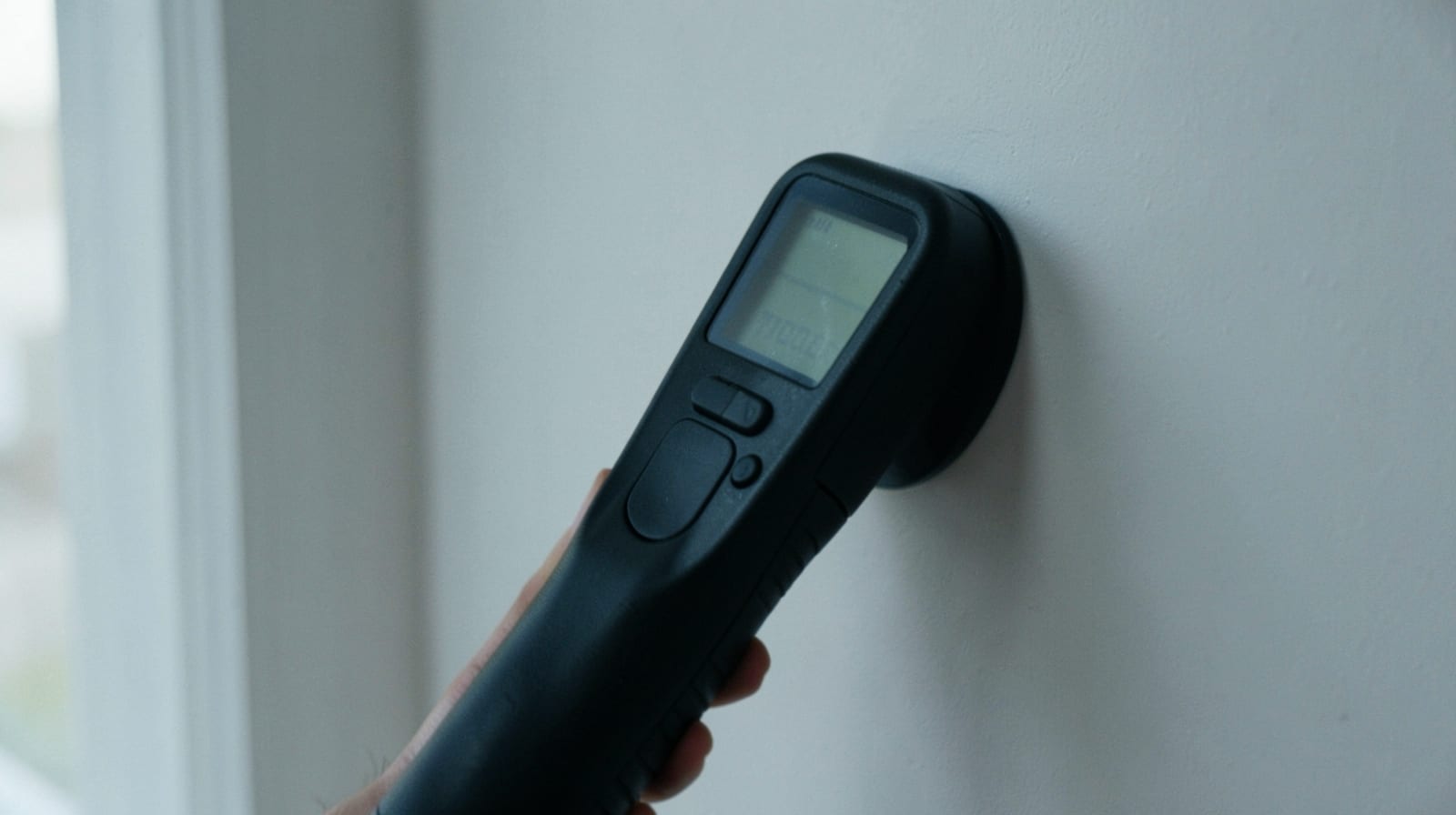
Mold Inspection in North Stonington, CT
Mold inspection in North Stonington, CT — a visual and moisture-meter assessment that finds the source of growth, not just the visible spot on the wall.
Learn More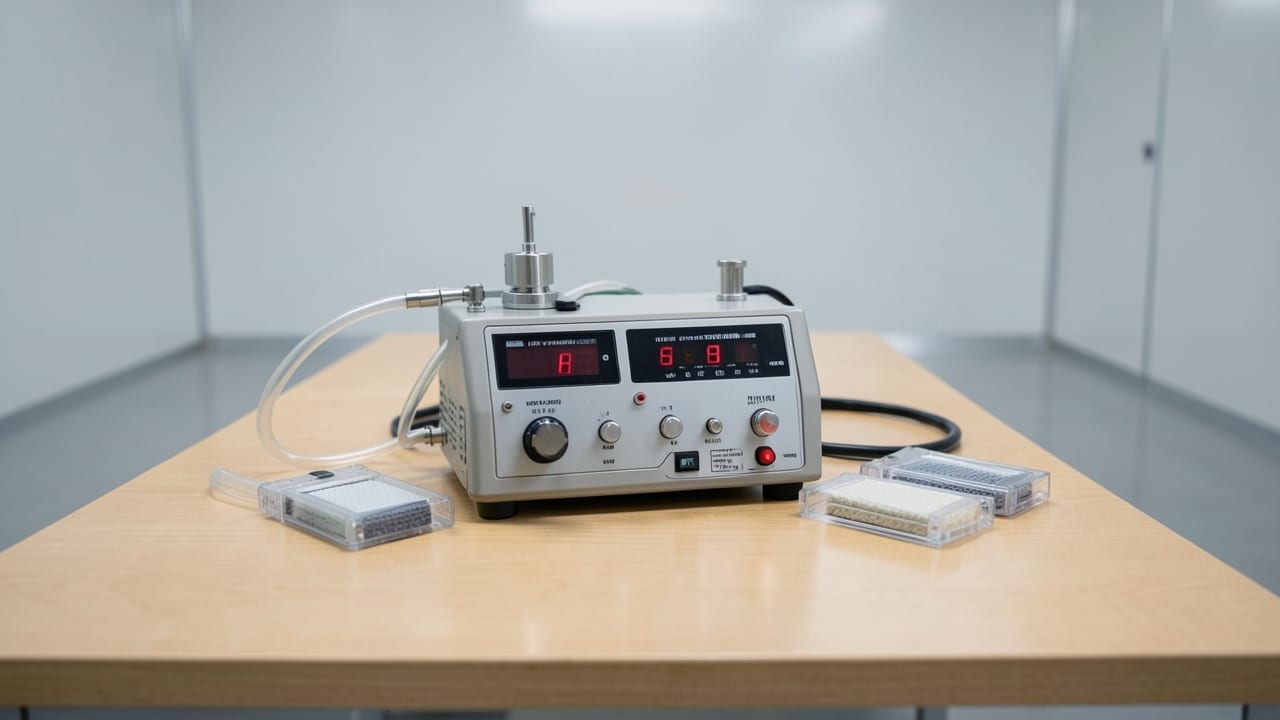
Mold Testing & Air Quality Testing in North Stonington, CT
Mold and indoor air quality testing in North Stonington, CT — lab-analyzed air and surface samples confirm what's actually growing and whether it's airborne.
Learn More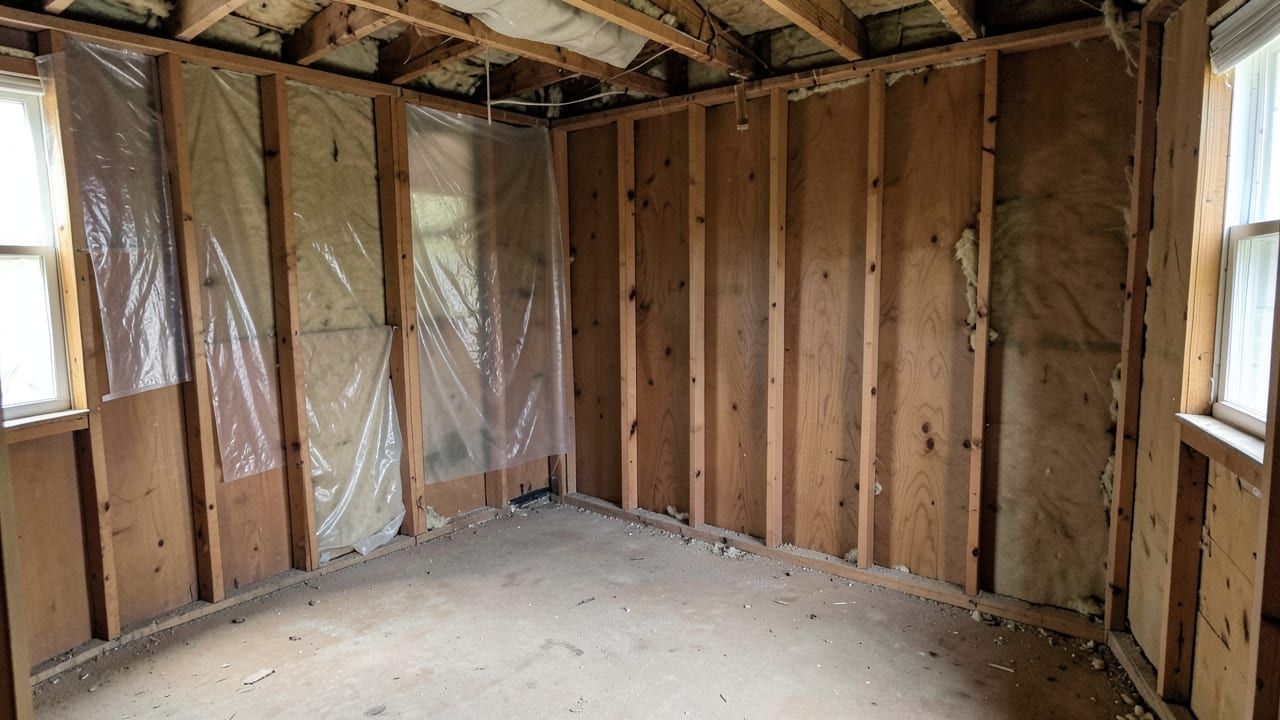
Mold Removal & Remediation in North Stonington, CT
Mold removal and remediation in North Stonington, CT — containment, HEPA filtration, and removal of affected material following industry (IICRC S520) protocol.
Learn More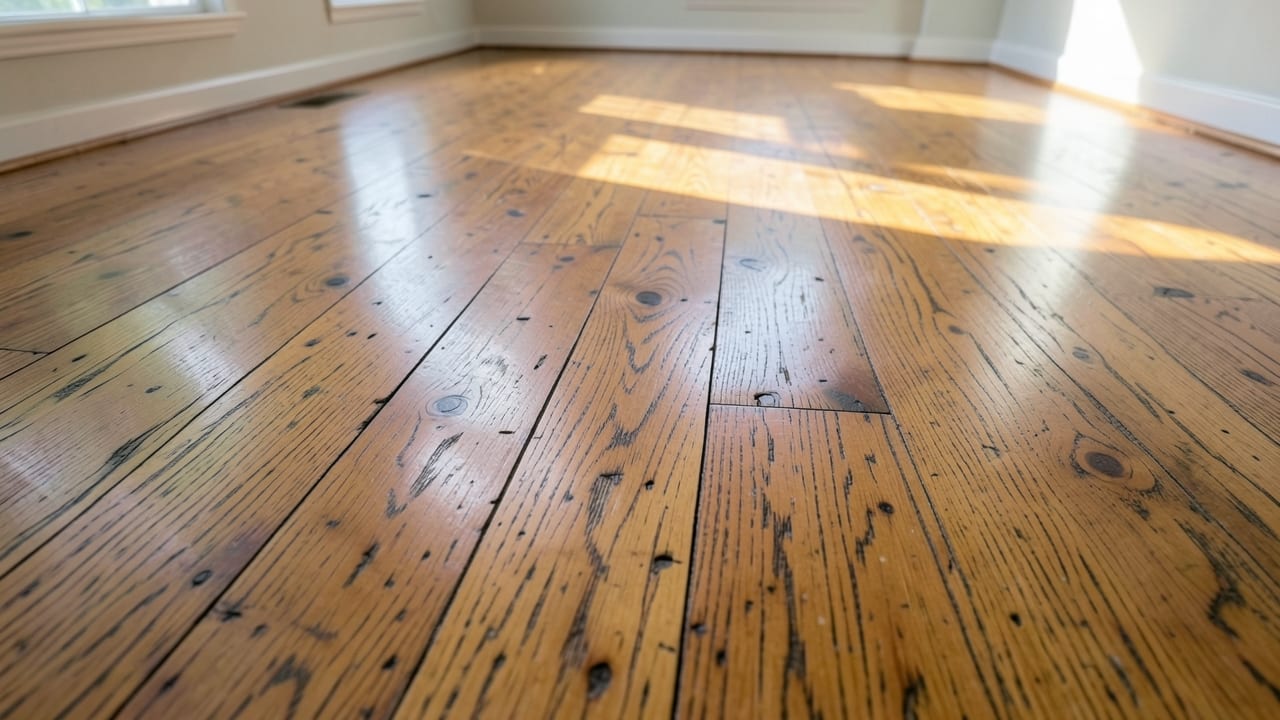
Water Damage Restoration in North Stonington, CT
Water damage restoration in North Stonington, CT — extraction and structural drying to stop mold growth before it starts, following a leak, storm, or flood.
Learn MoreCommon Questions About Mold Remediation in North Stonington
Everything you need to know about mold remediation services in North Stonington
How much does Condo Mold Remediation typically cost in North Stonington, CT?
Why does North Stonington, CT's humidity make mold a bigger risk than in drier regions?
How does mold remediation actually prevent the problem from coming back?
Can mold growing inside HVAC ductwork spread to the rest of a home?
Does mold mean the same thing as mildew?
Does homeowners insurance typically cover mold remediation?
Need Mold Remediation in North Stonington?
Connect with local providers in North Stonington for a detailed quote.
⏰ We answer your call • Serving all of North Stonington and surrounding areas