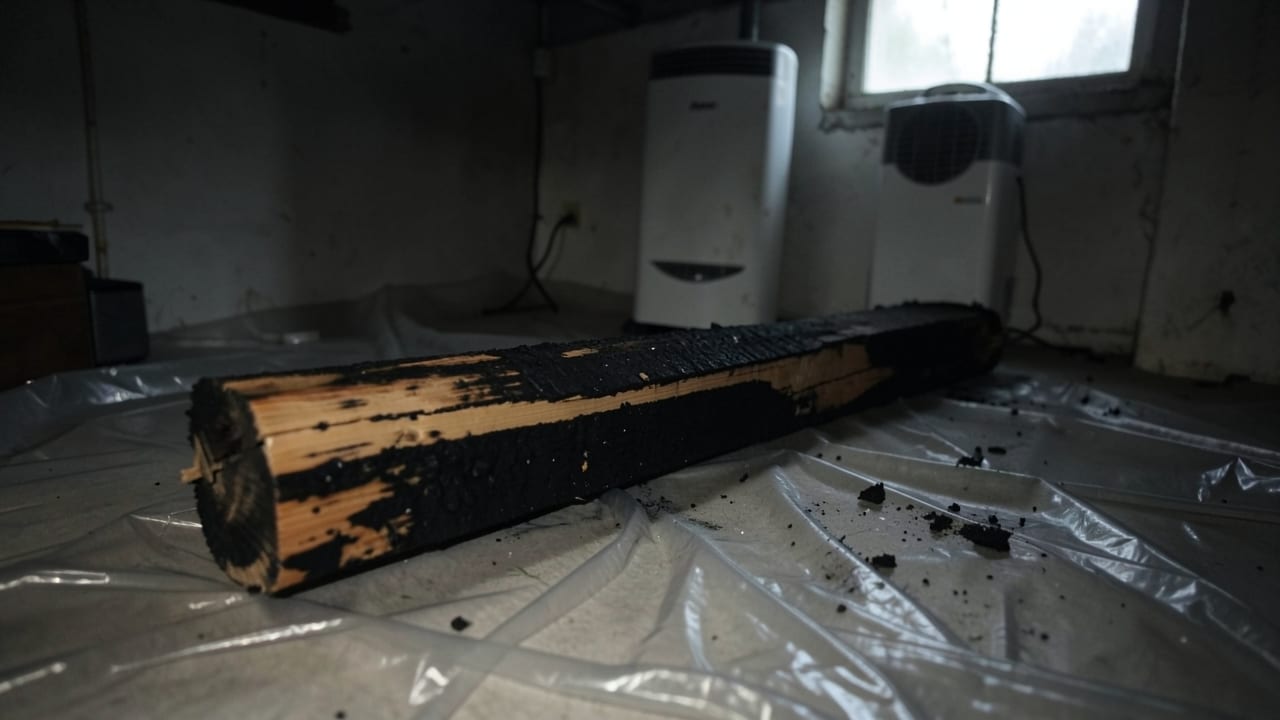
Fire Smoke Mold Remediation
Professional cleanup and restoration of fire, smoke, and mold damage in homes.
Fire, smoke, and mold damage can compromise your North Stonington home’s safety and air quality. Proper remediation involves deep cleaning, containment, and moisture control to prevent regrowth. This process restores affected areas while addressing hidden risks like hidden mold or lingering odors that standard cleaning misses.
When to call for remediation
Mold growth beyond a small patch, recurring after cleaning, or hidden behind walls signals a job too large for DIY. Musty smells, especially when HVAC runs, often mean hidden mold in ducts or framing.
We also handle Pre-Winter Mold Prevention and Spring Mold Inspection for North Stonington properties.
Fire or smoke damage requires professional cleaning to remove soot and odors trapped in materials. If moisture sources—like leaks or poor airflow—aren’t fixed, regrowth is likely.
North Stonington’s humid climate accelerates mold after water damage from fires or leaks. Rooms with poor airflow, like windowless bathrooms or basements, are high-risk zones. A professional assessment determines whether cleaning or removal is needed, based on size, location, and material type.
Signs You Need Professional Help
- Mold covers more than 25 contiguous square feet (a common threshold for professional work).
- Musty odors persist even after cleaning visible mold or smoke damage.
- Mold keeps returning in the same spot after cleaning—indicating an unresolved moisture issue.
- Fire or smoke damage leaves soot embedded in porous materials (carpet, drywall, upholstery).
- Hidden water damage (e.g., behind walls, under floors) is suspected but not visible.
What affects cost and timeline
Pricing varies by damage type, room size, and materials involved. Fire/smoke cleanup typically costs $210–$1,280 per affected room in North Stonington, while mold remediation depends on containment, removal, and drying needs. Hidden damage—like mold behind walls—can double costs and extend timelines.
Containment, HEPA filtration, and clearance testing add to the price but ensure thorough work. Skipping these steps risks incomplete removal and faster regrowth. Always ask for a written scope detailing what’s included before work begins.
After remediation: what to watch for
Remediation removes visible mold and soot, but regrowth depends on fixing moisture sources. Check humidity in treated rooms for the first year—stagnant air or lingering dampness can trigger new growth. Install small fans or dehumidifiers in high-risk areas (closets, basements) to improve airflow.
Outdoor issues—like soil grading toward your foundation or downspouts dumping near walls—can reintroduce moisture. Address these to prevent future problems. Post-remediation clearance testing confirms spore levels are back to normal, but it doesn’t replace fixing the root cause.
Using non-HEPA vacuums or air scrubbers spreads spores instead of capturing them. Skipping containment lets mold drift into unaffected areas. Fixing only the visible mold without addressing leaks or poor ventilation leads to faster regrowth.
How fire/smoke/mold remediation works
This process isolates damage, removes contaminants, and restores safety.
- 1Containment
Plastic sheeting and negative-air machines seal the work area to prevent spores from spreading to other rooms during removal.
- 2Removal
Porous materials (drywall, carpet padding) absorbing mold are cut out and bagged, while non-porous surfaces (tile, framing) are scrubbed and treated.
- 3HEPA Filtration
HEPA air scrubbers and vacuums run continuously to capture airborne spores, unlike standard equipment that recirculates them.
- 4Drying
Industrial dehumidifiers and air movers dry framing and subfloors to prevent mold regrowth on damp materials.
- 5Clearance Testing
An independent lab tests air or surfaces post-remediation to confirm spore levels are within normal ranges before containment is removed.
Frequently asked questions
Can I clean small mold patches myself, or should I call a professional?
Small, isolated patches (under 25 sq ft) can sometimes be cleaned with vinegar or detergent, but hidden mold or recurring growth signals a professional job. Fire/smoke damage always requires professional cleaning to remove embedded soot and odors.
How long does the remediation process take?
Timelines vary by damage extent—containment and testing can add days to weeks. Mold behind walls or in ductwork typically takes longer than surface-level cleanup. Ask for a written timeline during your estimate.
Will my insurance cover fire/smoke/mold remediation?
Most homeowners’ policies cover fire/smoke damage, but mold coverage depends on the cause. Document all damage and leaks before filing a claim, as sudden vs. gradual onset affects approval. Check your policy or ask your agent about exclusions.
Do I need to leave the house during remediation?
You may need to relocate during containment, especially for large jobs or hidden mold. Professionals will advise if temporary relocation is necessary for safety or to avoid disturbing spores.
See Groton Long Point, CT for more, or explore how our North Stonington crew can help step by step for our complete lineup.
Ready to get started?
Talk to a local mold remediation pro in North Stonington — get a written quote.
Other Mold Remediation Services in North Stonington
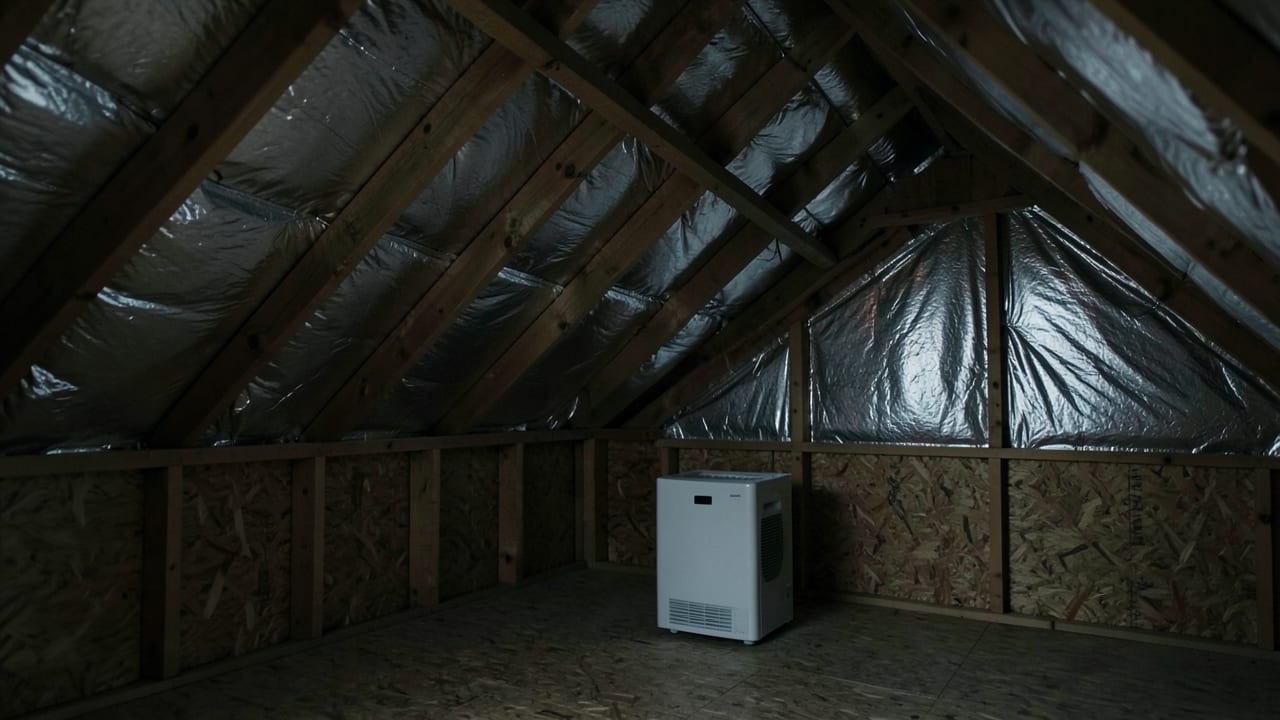
Pre-Winter Mold Prevention in North Stonington, CT
Pre-winter mold prevention involves inspection and treatment to stop mold growth before cold weather.
Learn More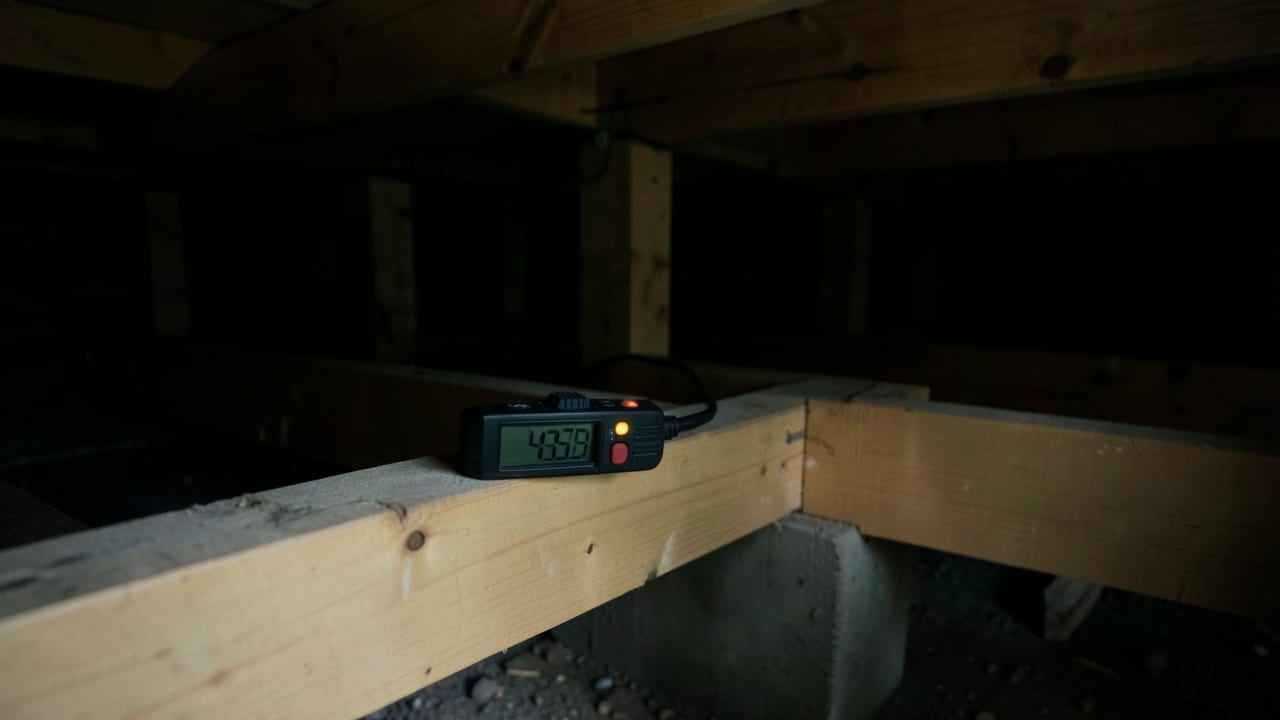
Spring Mold Inspection in North Stonington, CT
Professional assessment and identification of mold growth in homes.
Learn More
Move-In Mold Assessment in North Stonington, CT
Professional inspection and assessment of mold presence before moving into a property.
Learn More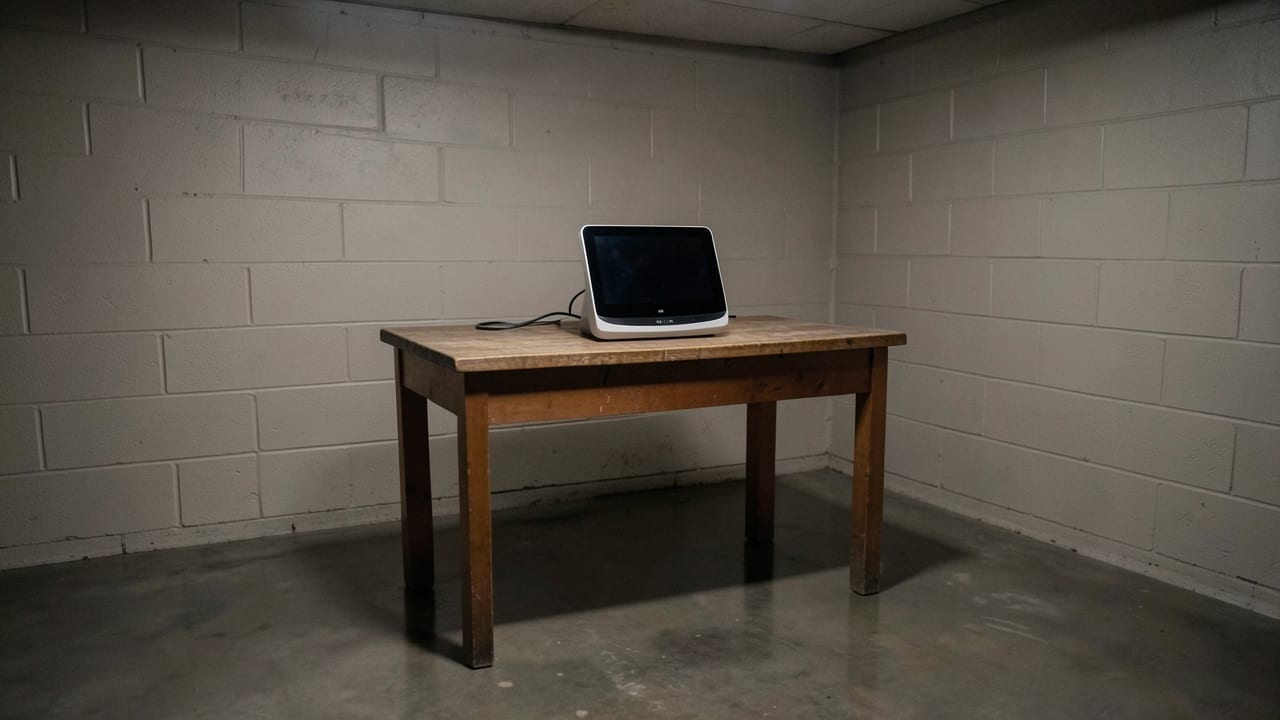
Pre-Sale Mold Clearance in North Stonington, CT
Pre-sale mold clearance involves inspection and testing to confirm a property is mold-free before purchase.
Learn More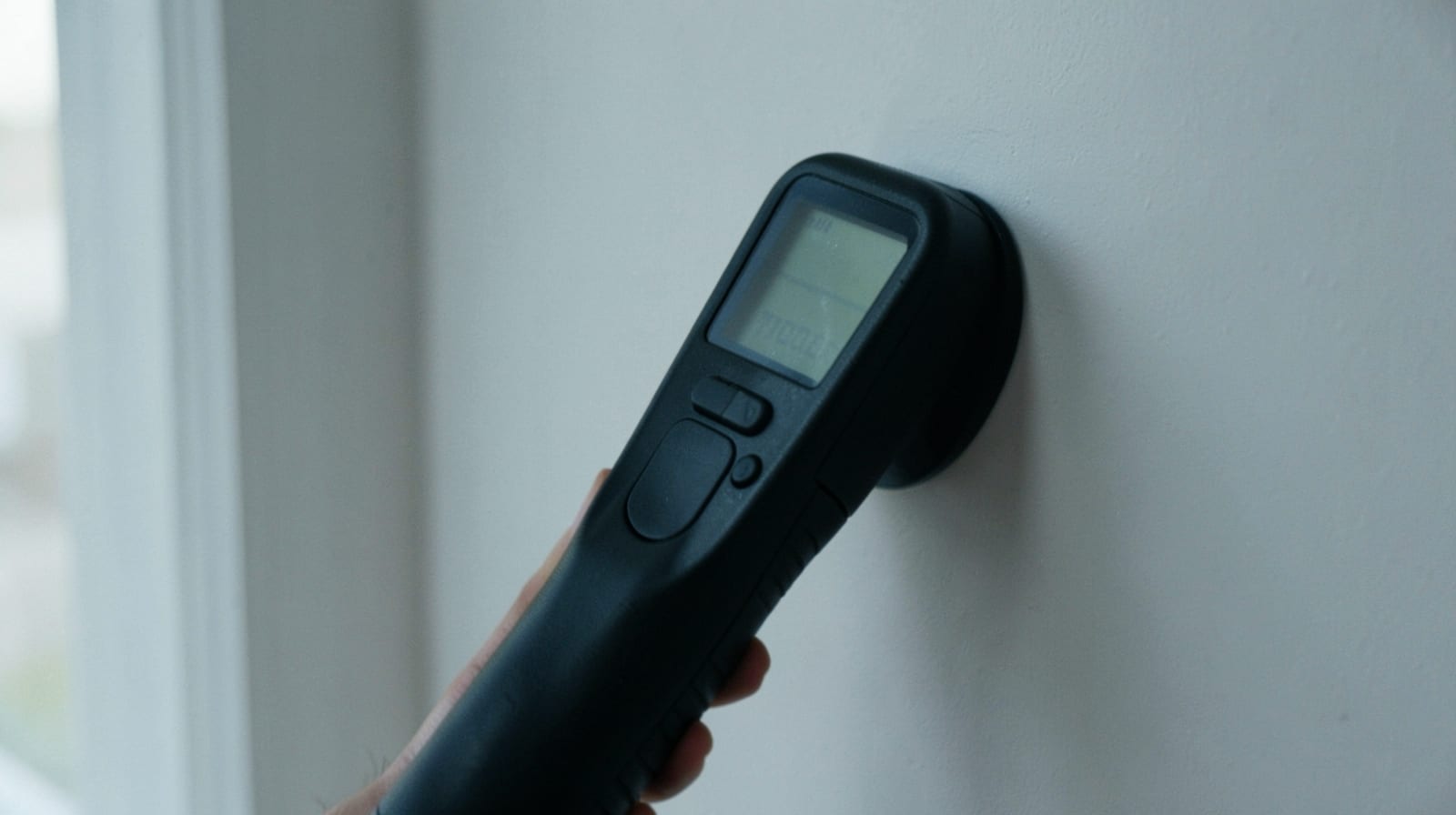
Mold Inspection in North Stonington, CT
Mold inspection in North Stonington, CT — a visual and moisture-meter assessment that finds the source of growth, not just the visible spot on the wall.
Learn More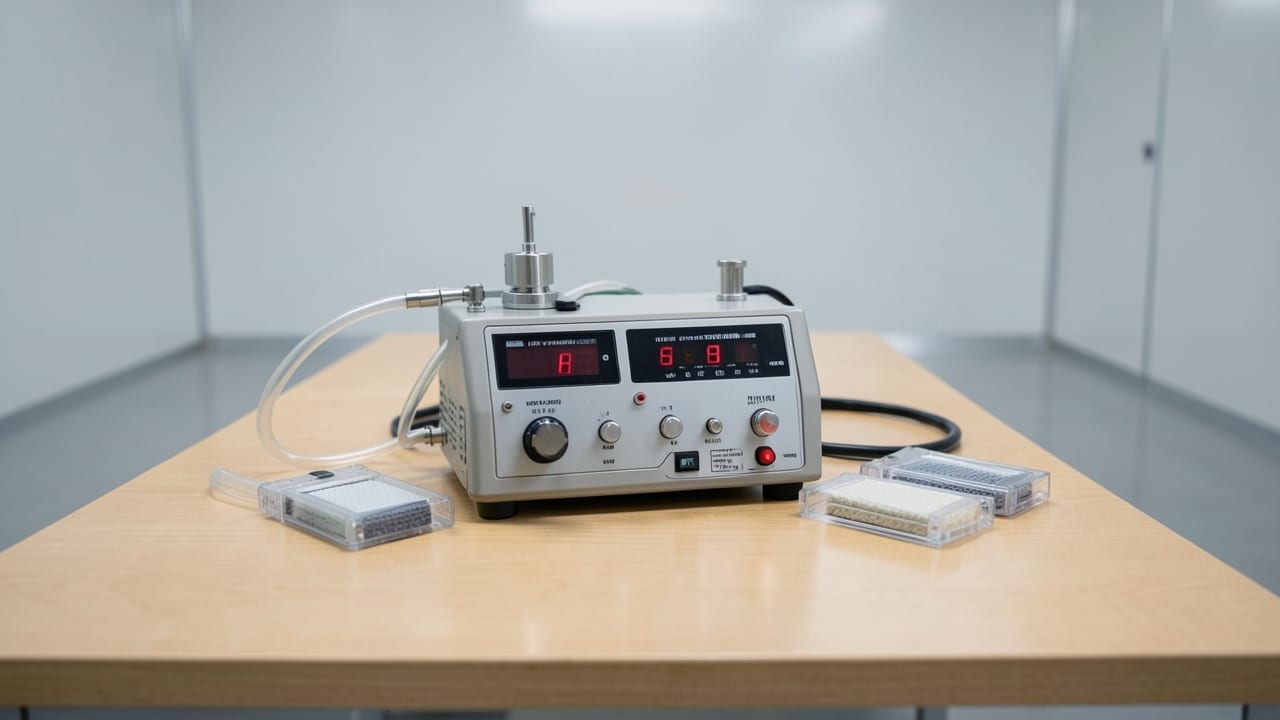
Mold Testing & Air Quality Testing in North Stonington, CT
Mold and indoor air quality testing in North Stonington, CT — lab-analyzed air and surface samples confirm what's actually growing and whether it's airborne.
Learn MoreCommon Questions About Mold Remediation in North Stonington
Everything you need to know about mold remediation services in North Stonington
How much does Fire Smoke Mold Remediation typically cost in North Stonington, CT?
Why does North Stonington, CT's humidity make mold a bigger risk than in drier regions?
How long does a typical mold remediation job take?
Is it safe to stay in the home during mold remediation?
Can small mold problems be handled without hiring anyone?
What's the actual difference between mold removal and mold remediation?
Need Mold Remediation in North Stonington?
Connect with local providers in North Stonington for a detailed quote.
⏰ We answer your call • Serving all of North Stonington and surrounding areas