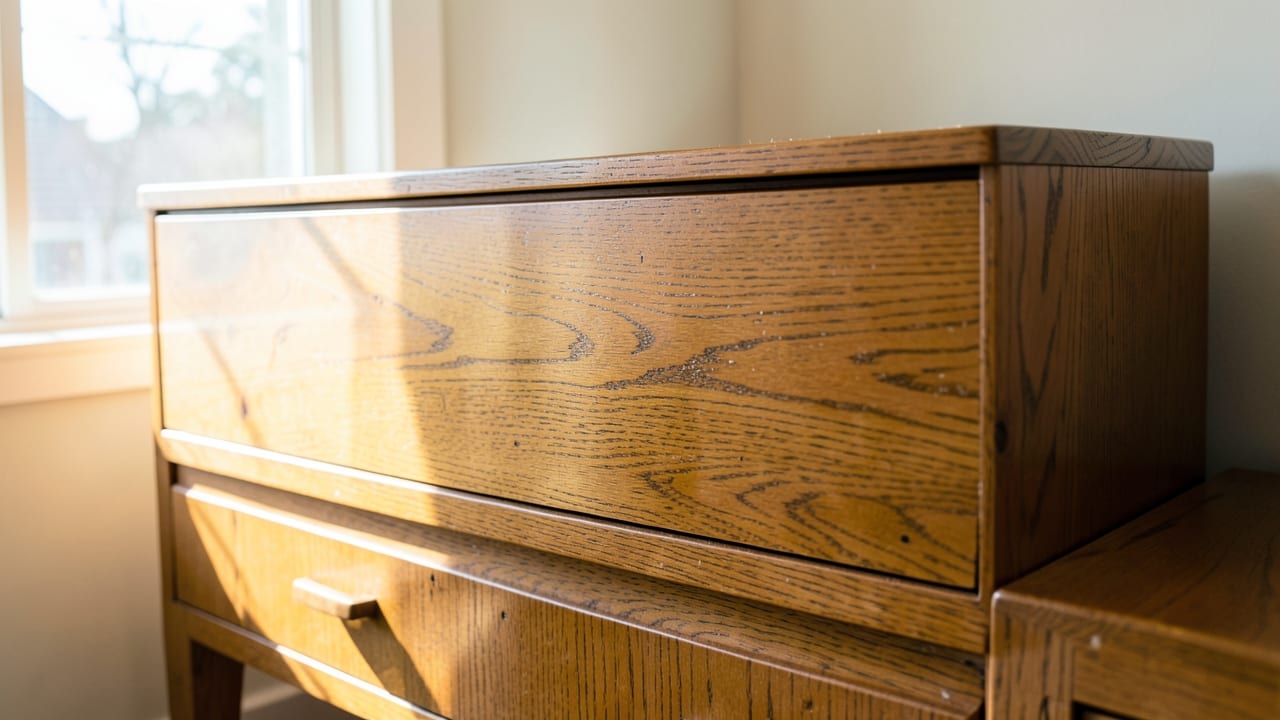
Wood Furniture Mold Remediation
Professional removal and treatment of mold from wood furniture to restore safety and appearance.
Wood furniture mold remediation in North Stonington, CT targets mold growth on heirloom and custom pieces, using cleaning, treatment, and restoration techniques to remove embedded spores without damaging the wood. The process includes containment, HEPA filtration, and moisture control to prevent recurrence and preserve the furniture’s value and structural integrity.
When to call for wood furniture mold remediation
Mold on wood furniture often starts as a small, discolored patch but can spread quickly if moisture remains. Signs it’s time for professional remediation include mold covering more than a small area, recurring growth after cleaning, or a musty smell with no visible source.
We also handle Balcony Mold Cleanup and Hallway Mold Remediation for North Stonington properties.
These indicate deeper issues requiring specialized equipment and techniques.
Hidden moisture sources—like leaks, condensation, or poor airflow—often drive regrowth. A professional assesses whether the problem is surface-level or systemic, ensuring the right approach is taken to avoid future damage.
Signs Professional Remediation Is Needed
- Mold covers more than 10 square feet of a single piece or multiple items.
- Growth returns within weeks after cleaning, even with dry conditions.
- A musty smell persists despite no visible mold in the room.
- The furniture is an antique, heirloom, or custom piece where damage risks outweigh DIY risks.
What affects pricing and timing
Pricing for wood furniture mold remediation in North Stonington varies based on the size of the piece, the extent of mold damage, and whether refinishing or reupholstering is needed afterward. Larger or intricate pieces may require subcontractors for specialty work, adding to the total cost.
Timing depends on drying requirements, containment setup, and clearance testing. Jobs with hidden moisture sources or structural involvement take longer to ensure full resolution.
Why containment and testing matter
Containment prevents spores from spreading to unaffected areas during removal. Plastic sheeting and negative-air machines seal the work zone, while HEPA air scrubbers and vacuums capture spores that would otherwise recirculate. Skipping these steps risks contaminating other rooms.
Clearance testing by an independent lab confirms spore levels return to normal after remediation. Without it, there’s no way to verify whether the job fully resolved the issue.
Standard vacuums and non-HEPA filters release spores back into the air, turning a contained job into a larger problem. Remediation without fixing moisture sources often leads to regrowth within months.
How wood furniture mold remediation works
This process balances thorough cleanup with material preservation.
- 1Containment Setup
Plastic sheeting and negative-air machines isolate the work area to prevent spores from drifting into other rooms during removal.
- 2Safe Removal and Cleaning
Infested wood is cleaned with antimicrobial treatments rather than discarded, while embedded mold in porous materials is cut out and sealed in containment bags.
- 3HEPA Filtration and Drying
HEPA vacuums and air scrubbers capture airborne spores, and industrial dehumidifiers dry framing and subfloors to prevent future growth.
- 4Clearance Testing
An independent lab tests air and surfaces post-remediation to confirm spore levels are back to normal before containment is removed.
Frequently asked questions
Can wood furniture be fully restored after mold damage?
Yes, if the mold hasn’t penetrated deeply. Professional remediation uses targeted cleaning and treatments to remove spores while preserving the wood’s finish and structure. Antique or high-value pieces may require refinishing afterward.
How long does the remediation process take?
Containment, cleaning, and drying typically take 2–5 days, depending on the piece’s size and moisture levels. Clearance testing adds another 1–3 days for lab results.
Will my furniture smell again after treatment?
If the musty odor is from deep mold penetration, enzymatic treatments help neutralize it. However, lingering smells often indicate hidden moisture—fixing the source is key to preventing recurrence.
Do I need to replace furniture if mold is found?
Not necessarily. Wood furniture can often be saved with professional remediation, especially if the mold is surface-level. Replacement is only needed for pieces with irreversible structural damage.
See Noank, CT for more, or find out about our full crew's North Stonington services in detail for our complete lineup.
Ready to get started?
Talk to a local mold remediation pro in North Stonington — get a written quote.
Other Mold Remediation Services in North Stonington
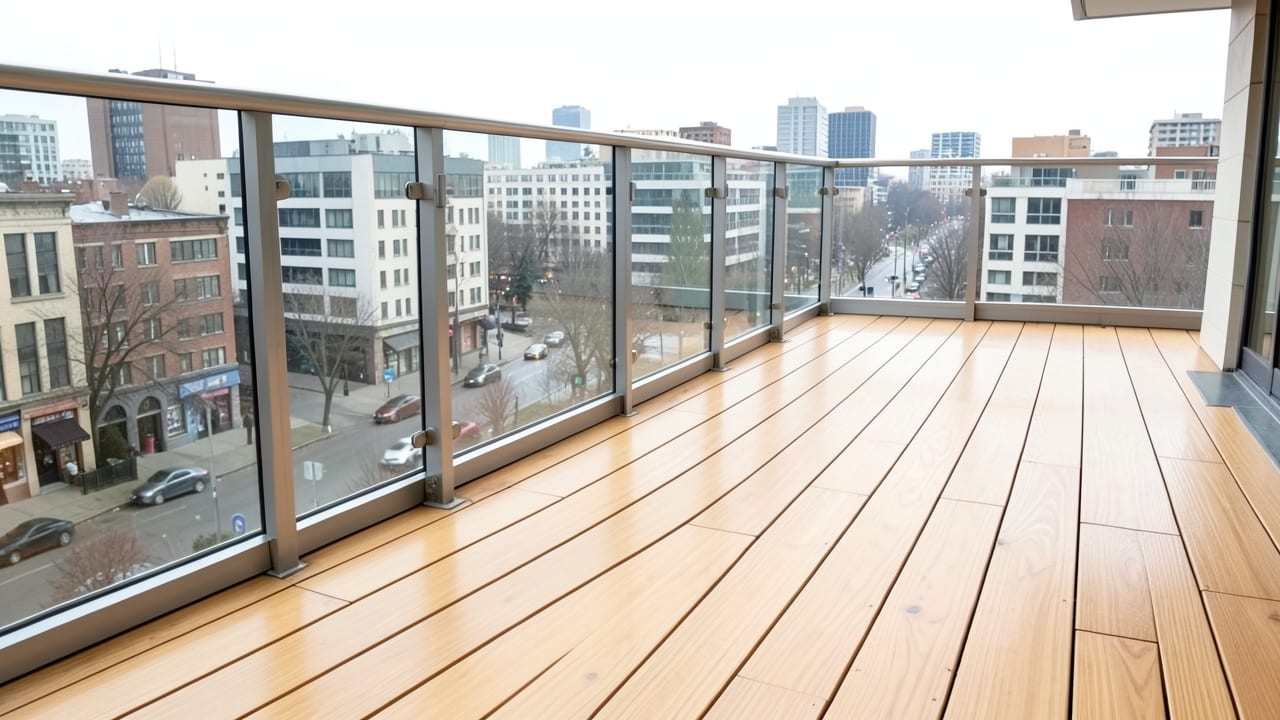
Balcony Mold Cleanup in North Stonington, CT
Professional removal and treatment of mold growth on balconies and adjacent structures.
Learn More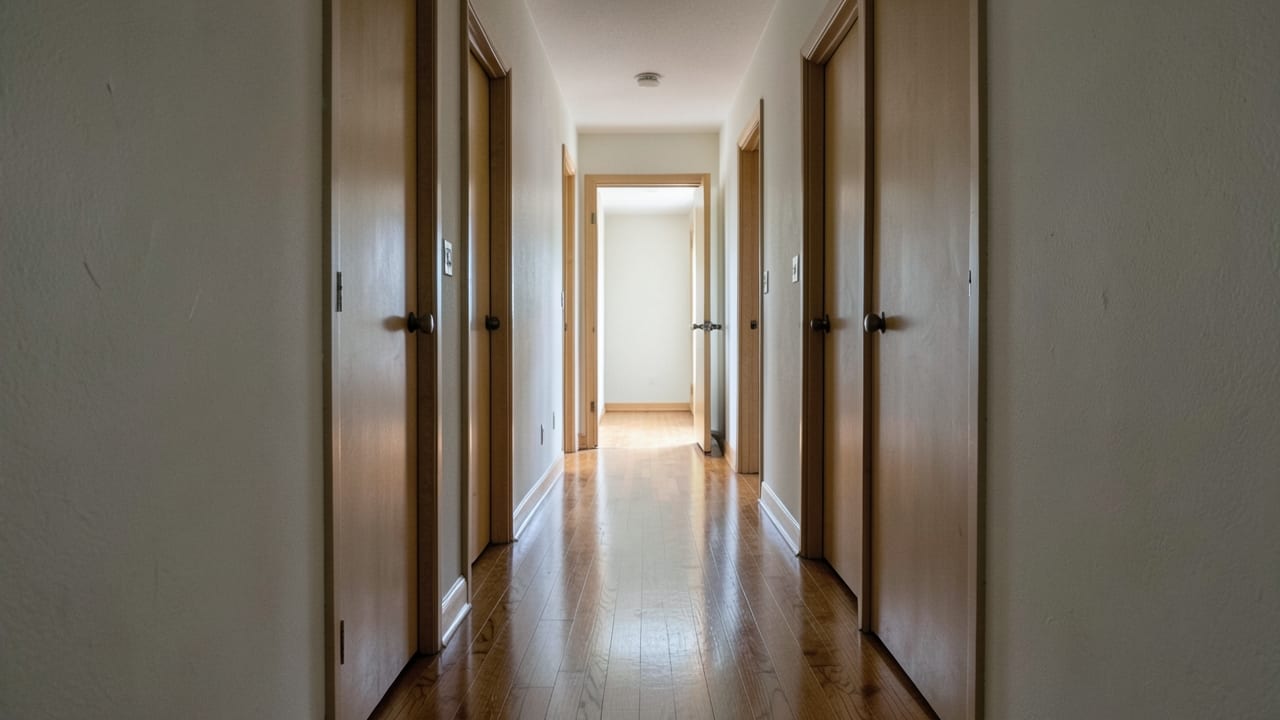
Hallway Mold Remediation in North Stonington, CT
Professional removal and treatment of mold growth in residential hallways.
Learn More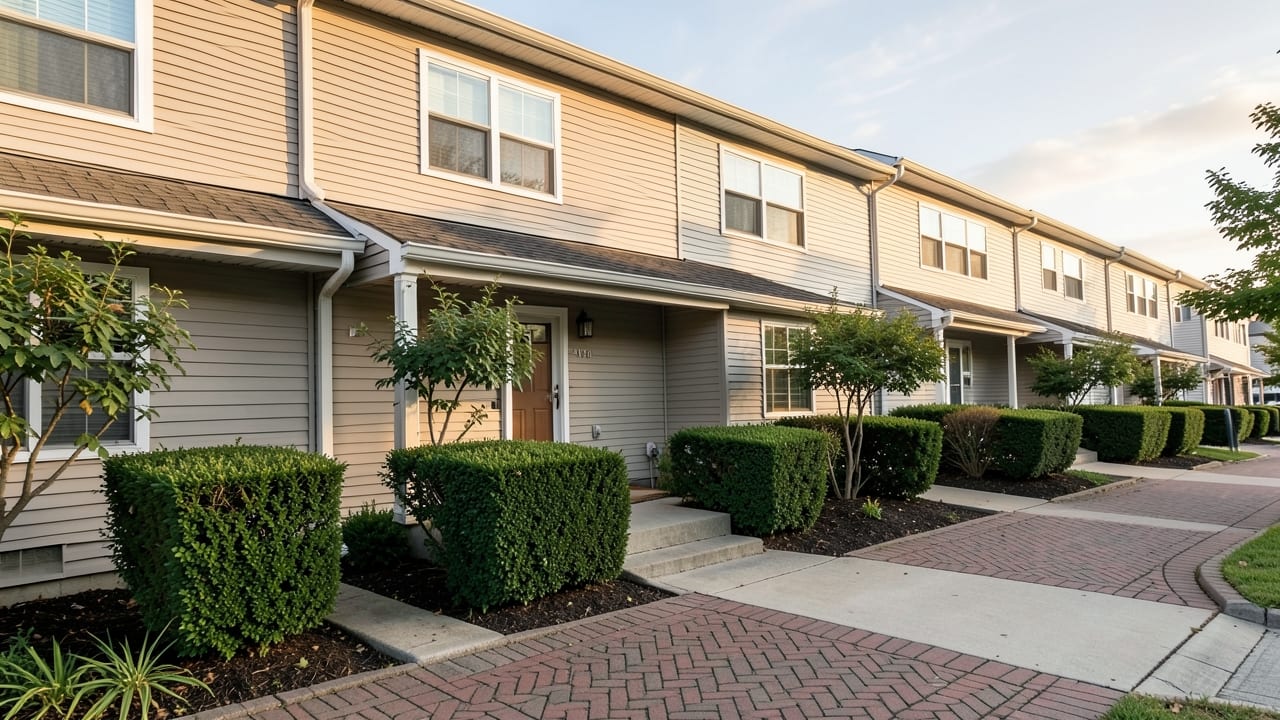
HOA Mold Remediation in North Stonington, CT
Professional mold removal and remediation for HOA properties to restore safe, healthy living conditions.
Learn More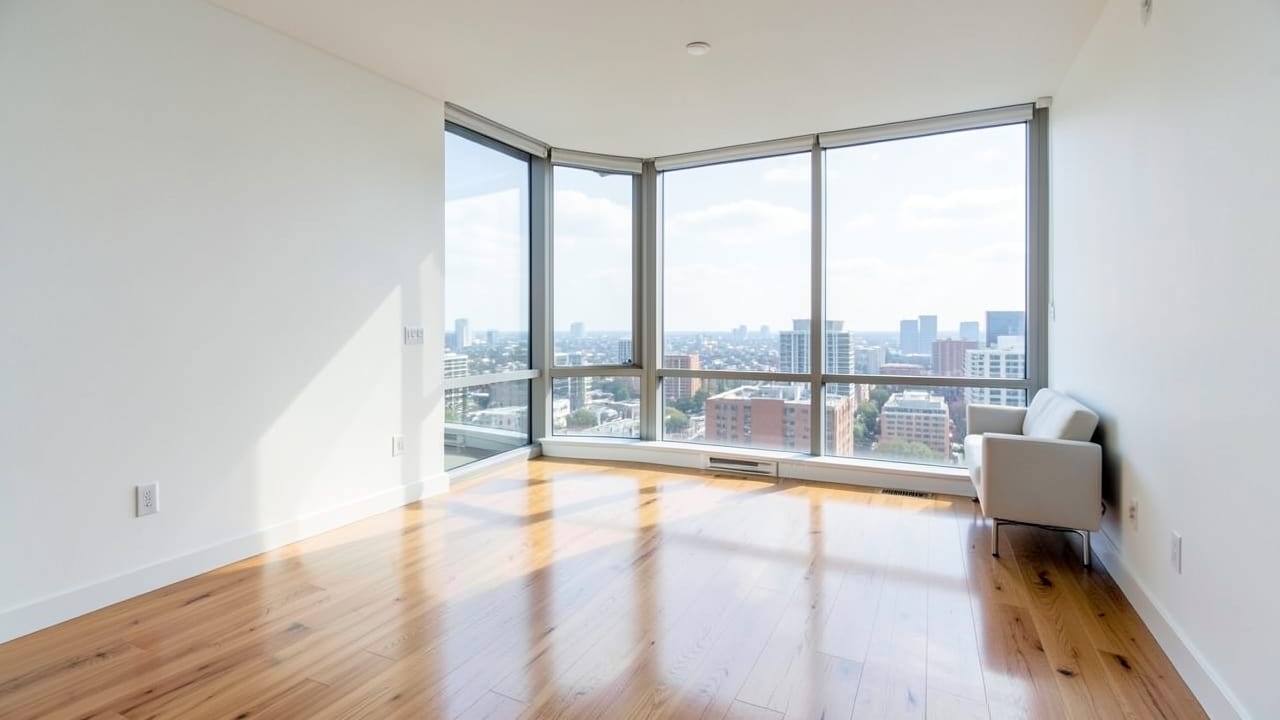
Condo Mold Remediation in North Stonington, CT
Professional removal and treatment of mold in condominiums to restore safe, healthy living spaces.
Learn More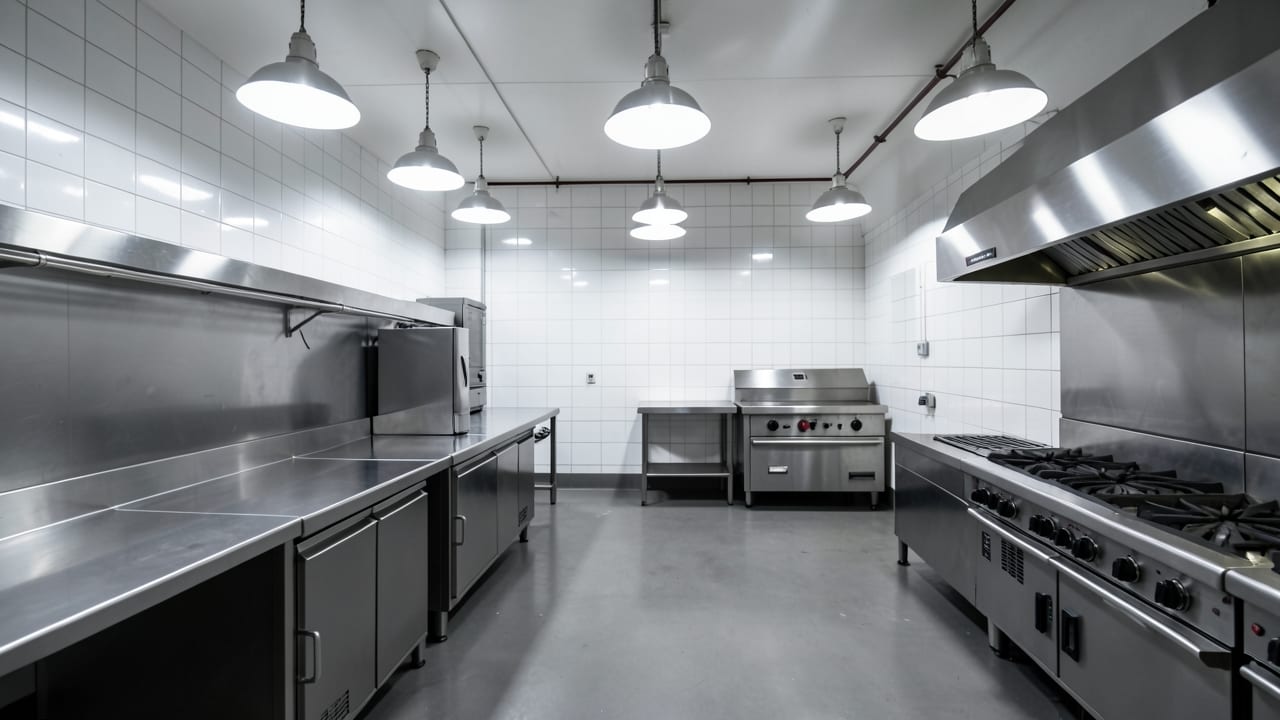
Restaurant Mold Remediation in North Stonington, CT
Professional mold removal and remediation for restaurant spaces to ensure safety and compliance.
Learn More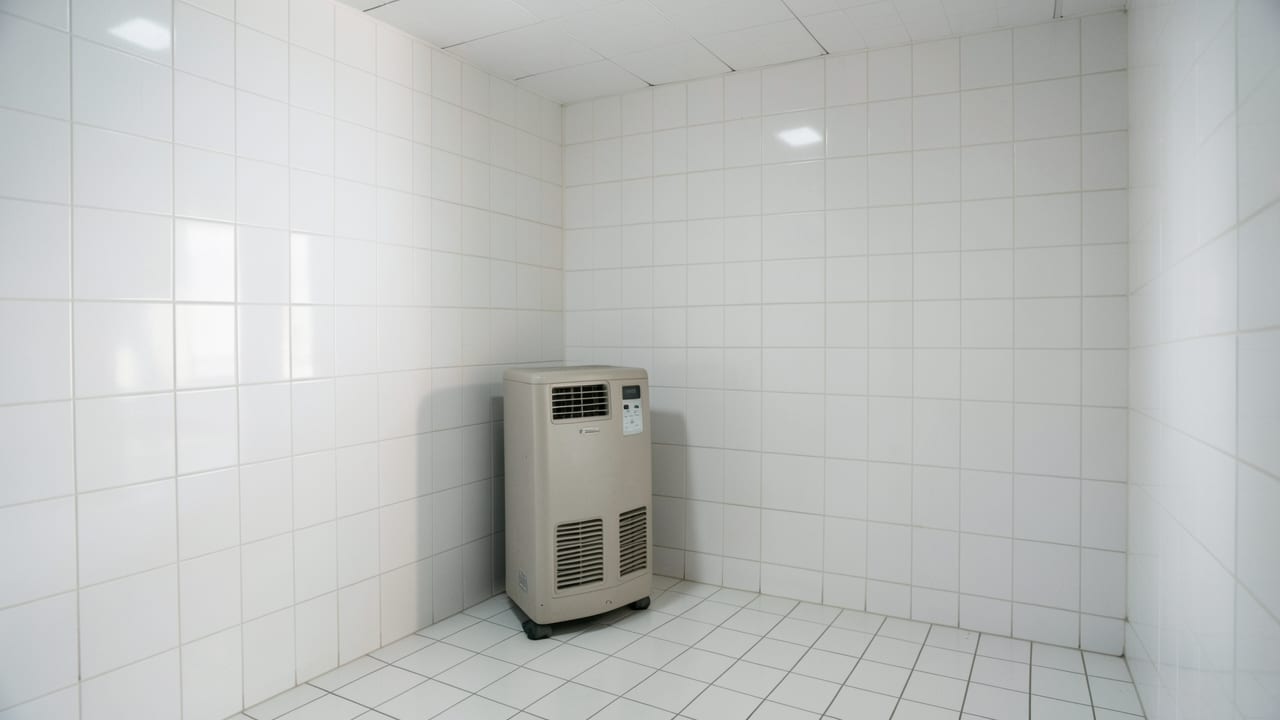
Hotel Mold Remediation in North Stonington, CT
Professional removal and treatment of mold growth in hotel properties to restore safe, clean environments.
Learn MoreCommon Questions About Mold Remediation in North Stonington
Everything you need to know about mold remediation services in North Stonington
How much does Wood Furniture Mold Remediation typically cost in North Stonington, CT?
Why does North Stonington, CT's humidity make mold a bigger risk than in drier regions?
Can small mold problems be handled without hiring anyone?
What's the actual difference between mold removal and mold remediation?
Is a final clearance test part of a typical mold remediation job?
How does mold remediation actually prevent the problem from coming back?
Need Mold Remediation in North Stonington?
Connect with local providers in North Stonington for a detailed quote.
⏰ We answer your call • Serving all of North Stonington and surrounding areas