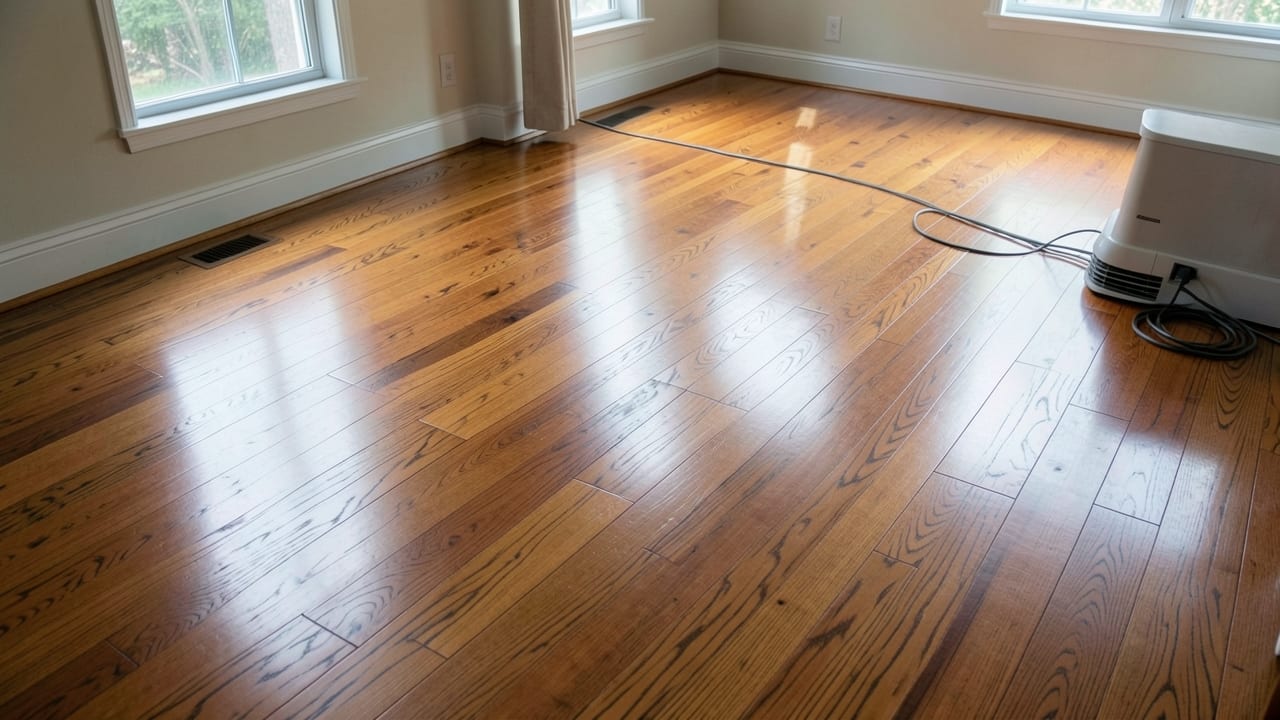
Pet Urine Mold Treatment
Professional removal of mold caused by pet urine in homes, including assessment and treatment.
Pet urine mold in North Stonington homes often hides in carpets, subflooring, or walls, creating musty odors and health concerns. Professional treatment involves containment, removal of contaminated materials, HEPA filtration, and moisture control to prevent regrowth.
This process ensures a safer indoor environment by addressing both visible and hidden mold caused by pet waste.
We also handle Window Sill Mold Cleanup and Flood Damage Mold Remediation for North Stonington properties.
When pet urine mold needs professional treatment
Pet urine mold often starts small but can spread quickly if left unchecked. Visible signs include discolored patches on carpets, walls, or subflooring, persistent musty smells, or mold returning after cleaning.
If the affected area covers more than a small patch—especially over 25 contiguous square feet—or if the smell lingers despite cleaning, professional remediation is recommended. Hidden growth, like mold inside walls or under flooring, often requires specialized tools and techniques to locate and treat effectively.
Rooms with poor airflow, such as windowless bathrooms or closets, are prone to mold recurrence. Even after remediation, these spaces may need a small fan or dehumidifier to maintain proper airflow and prevent moisture buildup.
Outdoor factors, like soil grading toward the foundation or downspouts draining near the house, can also reintroduce moisture, so addressing these issues is key to long-term prevention.
Signs You Need Pet Urine Mold Treatment
- Mold covers more than a small, isolated patch (especially over 25 square feet).
- Musty odors persist even after cleaning the area.
- Mold keeps returning to the same spot after being cleaned.
- Visible mold is hidden in walls, under flooring, or inside HVAC ducts.
- The smell worsens when the HVAC system is running.
How pricing and scope affect your project
Pricing for pet urine mold treatment in North Stonington varies based on the size of the affected area, the materials involved, and whether specialty treatments—like enzymatic odor control or refinishing—are needed.
Most providers quote per project rather than by a fixed price range, as they assess the scope after inspecting the site. Containment, removal of porous materials, HEPA filtration, and clearance testing are standard steps that influence the final cost.
A detailed written scope of work is critical before any work begins. This document should specify the square footage being treated, whether containment and clearance testing are included, and how moisture sources will be addressed.
Without these details, it’s difficult to compare bids accurately or avoid unexpected costs later. Always confirm whether the estimate covers inspection, remediation, and post-treatment testing—or if these are priced separately.
| Factor | Impact on Pricing/Timing |
|---|---|
| Size of affected area | Larger areas require more containment, removal, and drying time. |
| Materials involved | Porous materials (carpet, drywall) are often removed, while non-porous surfaces (tile, framing) may be cleaned and treated. |
| Specialty treatments | Enzymatic odor control, refinishing, or pest treatments add to the cost. |
| Moisture source fix | Addressing leaks, grading, or airflow issues may require additional labor. |
| Containment and testing | Full containment and clearance testing are often billed separately. |
Why containment and testing matter
Proper containment prevents mold spores from spreading to unaffected areas during removal. Plastic sheeting and negative-air machines seal the work zone, while HEPA air scrubbers and vacuums capture spores that would otherwise recirculate. Skipping these steps risks turning a contained job into a larger, more costly problem.
Clearance testing by an independent lab confirms that spore levels return to normal before the area is released, ensuring the remediation was effective.
Structural drying is another critical step. Industrial dehumidifiers and air movers reduce moisture in framing and subflooring to prevent regrowth. Without this, mold can return within months, even if all visible traces were removed. The goal is to restore the space to a dry, stable condition that discourages future mold.
Even small tears in plastic sheeting or open doors during remediation can release spores into clean areas. Negative air pressure must hold consistently to keep spores contained. Always verify that the crew maintains proper containment throughout the job.
How pet urine mold treatment works
This process ensures mold is removed safely and thoroughly while preventing regrowth.
- 1Containment Setup
Plastic sheeting and negative-air machines seal the affected area to prevent spores from spreading during removal. This step is critical to protect the rest of the home.
- 2Material Removal or Cleaning
Porous materials like carpet padding or drywall, which absorb mold, are cut out and bagged. Non-porous surfaces like tile or framing are scrubbed and treated to kill remaining spores.
- 3HEPA Filtration and Drying
HEPA air scrubbers run continuously to capture airborne spores, while HEPA vacuums clean surfaces. Industrial dehumidifiers and air movers dry structural materials to prevent moisture-related regrowth.
- 4Moisture Source Fix
Leaks, poor grading, or airflow issues are addressed to eliminate the conditions that allowed mold to grow in the first place.
- 5Clearance Testing
An independent lab tests air or surfaces post-remediation to confirm spore levels are back to normal before containment is removed.
Frequently asked questions
How do I know if my pet urine mold issue is too big for DIY cleaning?
If the mold covers more than a small patch (especially over 25 square feet), keeps returning after cleaning, or you notice a musty smell with no visible growth, professional treatment is recommended. Hidden mold in walls or ducts also requires specialized tools and expertise.
Will treating pet urine mold also fix the smell?
Yes, but only if the moisture source is addressed. Enzymatic treatments can help neutralize odors, but without fixing leaks, poor airflow, or grading issues, the smell may return. Structural drying and proper ventilation are key to long-term odor control.
Do I need to leave the house during the remediation process?
It’s not required, but some homeowners prefer to stay elsewhere during containment and removal to avoid exposure to spores. The crew will advise you based on the scope of the job and safety precautions.
How long does the entire process take?
Timing varies by project size and complexity, but most pet urine mold treatments take 1–3 days for containment, removal, drying, and testing. Larger or hidden issues may require additional time.
See Noank, CT for more, or check out our full North Stonington-area coverage before booking for our complete lineup.
Ready to get started?
Talk to a local mold remediation pro in North Stonington — get a written quote.
Other Mold Remediation Services in North Stonington
Window Sill Mold Cleanup in North Stonington, CT
Professional cleanup of mold growth on window sills to restore a healthy indoor environment.
Learn More
Flood Damage Mold Remediation in North Stonington, CT
Professional mold removal and remediation after flood damage in homes.
Learn More
Sewer Backup Mold Cleanup in North Stonington, CT
Professional cleanup of mold caused by sewer backups in homes.
Learn More
Pipe Leak Mold Removal in North Stonington, CT
Professional removal of mold caused by pipe leaks in homes.
Learn More
School Mold Remediation in North Stonington, CT
Professional mold removal and remediation in schools to ensure a safe, healthy environment.
Learn More
Hospital Mold Removal in North Stonington, CT
Professional assessment and removal of mold in hospitals to ensure a safe, healthy environment.
Learn MoreCommon Questions About Mold Remediation in North Stonington
Everything you need to know about mold remediation services in North Stonington
How much does Pet Urine Mold Treatment typically cost in North Stonington, CT?
Why does North Stonington, CT's humidity make mold a bigger risk than in drier regions?
Can mold growing inside HVAC ductwork spread to the rest of a home?
Does mold mean the same thing as mildew?
Does homeowners insurance typically cover mold remediation?
Is black mold actually more dangerous than other mold types?
Need Mold Remediation in North Stonington?
Connect with local providers in North Stonington for a detailed quote.
⏰ We answer your call • Serving all of North Stonington and surrounding areas